
Plants
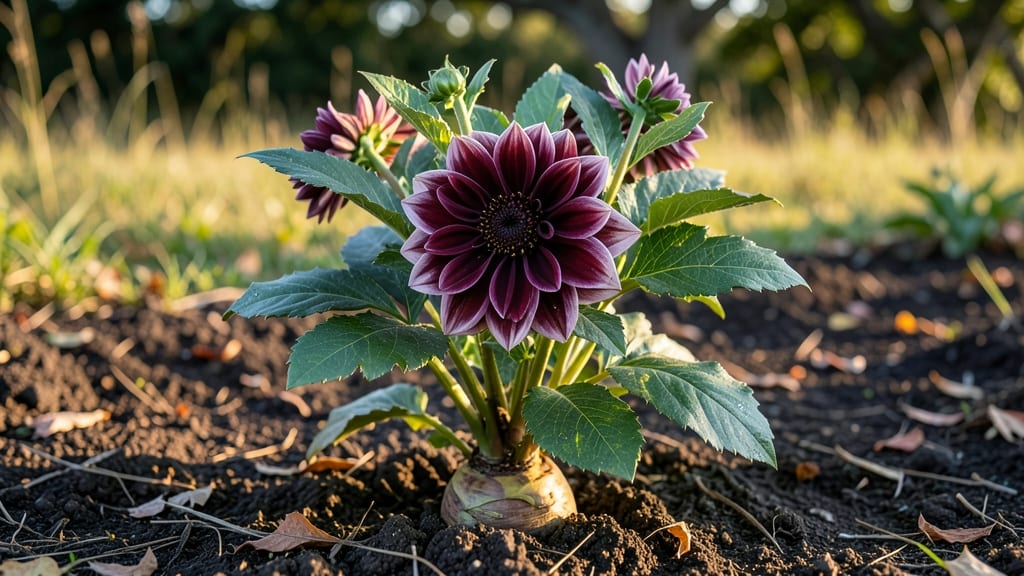
If you're dreaming of bold, vibrant dahlias 🌸 lighting up your Georgia garden from July through October, the secret to success starts with knowing when to plant dahlia bulbs in Georgia.
Planting too early risks frost damage, while waiting too long means you'll miss the peak bloom window that makes these flowers worth the effort.
The key lies in understanding your specific USDA zone—whether you're in cooler Zone 7a or warmer Zone 8b—and how local microclimates can shift those critical deadlines by weeks.
Here's the truth: most gardeners in Georgia wait until after the last frost date—typically mid-to-late March—but that's just the starting point. What you really need to know are the soil temperature thresholds and variety-specific planting windows that separate success from disappointment.
I'll walk you through exactly when to get those tubers in the ground, how to prepare your soil for maximum growth, and which dahlia varieties thrive best in your particular corner of the state.
The good news? With the right approach, you can extend your blooming season well into fall, even in cooler zones. We're talking three months of cut flowers for bouquets, pollinators, and garden drama—all from knowing precisely when to plant.
Let's break down the exact dates, soil conditions, and pro tips that will have your dahlias flourishing when your neighbors are still waiting for theirs to sprout.
Whether you're a first-time gardener or a seasoned pro looking to refine your timing, this guide gives you the actionable steps to make your dahlia planting season foolproof. No more guessing games—just beautiful, reliable blooms that start with the right move at the right time.
Georgia’s exact dahlia planting deadlines by Zone (7a vs. 8b)
Georgia’s USDA Zones 7a and 8b create a 3-week difference in ideal dahlia planting times. In Zone 7a (Athens, Blue Ridge), the last frost typically hits around April 15, while Zone 8b (Savannah, Macon) sees frost-free conditions by March 15.
This shift means Zone 8b gardeners can start 4 weeks earlier—critical for maximizing your July-to-frost bloom season.
For tuberous dahlias (most varieties), aim to plant 2-4 weeks after your last frost date. This gives soil time to warm to 60°F+, preventing rot. Hardy dahlias (like ‘Café au Lait’) tolerate cooler soil and can go in 1-2 weeks earlier.
🌱 Pro Tip: Use the “leaf unfurling” rule—when your redbud trees (common in GA) drop their pink petals, Zone 7a soil is usually safe for planting.
🌿 Georgia Dahlia Planting Timeline by Zone
| Zone | Last Frost Date | Ideal Planting Window | Soil Temp Goal | Bloom Start |
|---|---|---|---|---|
| 7a (Athens) | April 15 | April 29 - May 12 | 60°F+ | July 15 |
| 7b (Columbus) | April 1 | April 15 - April 28 | 60°F+ | July 1 |
| 8a (Augusta) | March 1 | March 15 - March 31 | 55°F+ | June 15 |
| 8b (Savannah) | February 15 | March 1 - March 15 | 55°F+ | June 1 |
💡 Note: Coastal areas (e.g., Tybee Island) can plant 2 weeks earlier due to milder winters.
If you’re in Zone 7a and miss the April 29-May 12 window, don’t panic—you can still plant through June 1, but expect shorter stems and fewer blooms. For Zone 8b, planting after March 15 risks heat stress during Georgia’s 90°F+ summers.
🌡️ Soil Temperature Test: Stick a thermometer 6 inches deep—if it reads below 60°F, wait 1-2 weeks. Cold soil = rotten tubers.
For container gardening (common in urban GA), plant 2 weeks earlier than ground planting—containers warm faster. Use black pots to absorb heat and speed up soil warming by 5-7 days.
🌿 Extension Hack: In Zone 7a, start tubers indoors in early March under grow lights. Transplant outdoors after last frost for 4-6 weeks of extra blooms.
Remember: Dahlias hate cold soil but love warm roots. The key is balancing frost risk with soil warmth—aim for 60°F+ and you’ll get vibrant blooms from July to frost.
5 Signs your Georgia soil is ready (and 3 mistakes to avoid)
Before you even think about planting those dahlia tubers 🌱, your Georgia soil needs to meet three critical conditions: warmth, moisture balance, and proper drainage. Cold soil shocks tender tubers, while soggy clay can rot them before they sprout.
The key is waiting for soil temperatures to hit 60°F (15°C) at least 2 inches deep—this usually aligns with late March to early April in most of Georgia, but microclimates can shift this by weeks.
Don’t rely solely on calendar dates. Instead, use these five foolproof signs that your soil is ready for dahlias: the soil should crumble easily when squeezed (not stick together), feel warm to the touch like a cozy sweater, and have no standing water after rain.
If you’re in Zone 7a, test soil temps weekly—delay planting if nights still dip below 45°F (7°C).
| Sign | What to Look For | Zone 7a Timing | Zone 8b Timing |
|---|---|---|---|
| Soil Temp | 60°F+ at 2" depth | Late March | Early March |
| Drainage | Water drains in 2-4 hours | Test after rain | Test after rain |
| Moisture | No standing water | Avoid soggy spots | Avoid soggy spots |
| Frost Risk | No frost forecast | After March 15 | After February 28 |
| Local Cues | Daffodils blooming | Early April | Late March |
One mistake I see new gardeners make is planting too early to "beat the crowd." In Zone 7a, tubers planted in February risk frost damage, while Zone 8b gardeners might wait too long if they ignore soil warmth.
Another error? Skipping soil prep—dahlias hate compacted clay. Amend your beds with compost or aged manure to improve drainage, especially in heavy Georgia clay soils.
Urban gardeners in Atlanta face different challenges than those in coastal Savannah. City soils often retain heat longer, while rural areas may have cooler pockets. Use a soil thermometer—it’s the only way to get precise data.
If your soil is still cold, cover tubers with straw mulch to insulate them until conditions improve.
Pro tip: If you’re planting in containers, use a heat mat to warm soil faster—this gives you a 2-3 week head start over ground planting. Just ensure pots have drainage holes to prevent rot.
The goal is to have your dahlias established by mid-April, giving them 3 months of growth before summer heat peaks.
Remember, dahlias thrive on consistent moisture but hate soggy roots. If your soil stays damp for more than 48 hours, your tubers will rot before sprouting. The right soil prep now means vibrant blooms later—no guesswork, just garden magic. 🌸