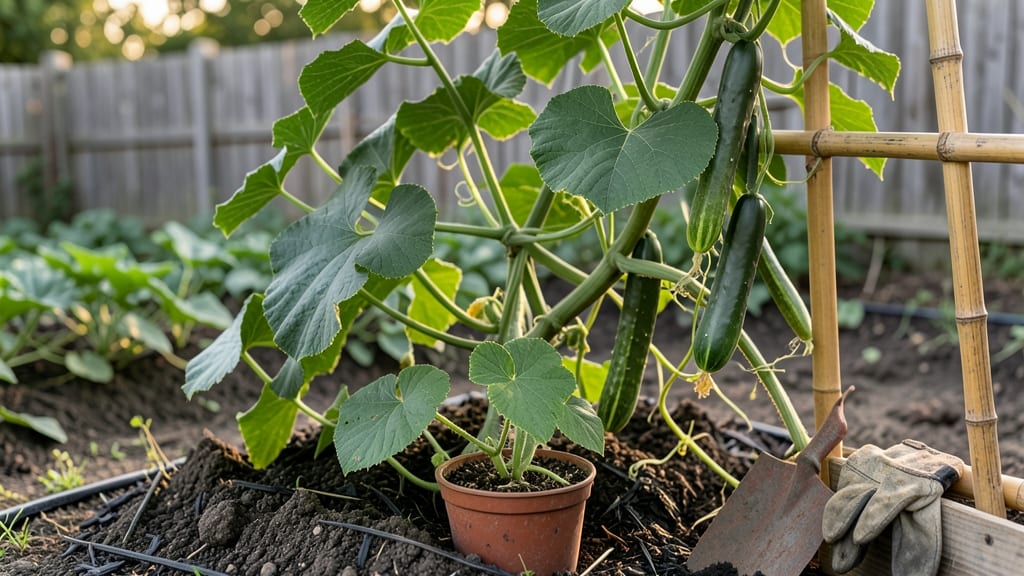
If you’ve ever planted cucumbers in South Florida only to watch them bolt into bitter flowers before producing a single crisp 🥒, you’re not alone. The key to success here isn’t just water or soil—it’s planting at the perfect moment to beat the heat and humidity.
South Florida’s year-round growing season gives you flexibility, but timing matters more than most gardeners realize. Plant too early in summer, and your cucumbers will race toward flowers instead of fruit. Too late, and you miss the sweet spot for harvests before the real heat sets in.
What if I told you there’s a simple month-by-month strategy to avoid bolting and maximize your harvest? Whether you’re a seasoned gardener or just starting, these expert-approved windows will help you grow cucumbers that stay productive from spring through fall.
Let’s break down the best times to plant, how to adjust for Florida’s microclimates, and which varieties thrive—so you can enjoy fresh, homegrown cucumbers all year. Ready to stop the bolting and start the harvesting?
Jan
🥒
Feb
🥒
Mar
🥒
Apr
🥒
May
🥒
Jun
🥒
Jul
🥒
Aug
🥒
Sep
🥒
Oct
🥒
Nov
🥒
Dec
🥒
South Florida cucumber planting calendar: month-by-month timing to prevent bolting
South Florida’s year-round growing season means you can grow cucumbers almost anytime—but timing matters to avoid bitter, bolted plants. Unlike northern climates, we don’t have frost to guide us, so soil temperature and humidity become your best tools.
The key is planting when daytime highs stay below 90°F and soil stays above 60°F.
Cucumbers thrive in spring and fall when temperatures are mild, but with the right heat-resistant varieties and shade strategies, you can extend harvests into summer and even winter. Let’s break down the month-by-month schedule that keeps your cucumbers productive and delicious.
🌱
| Month |
Ideal Planting Time |
Soil Temp (°F) |
Notes |
| January |
Direct sow or transplant |
65-75°F |
Cool season; use row covers for frost protection (rare but possible). |
| February |
Direct sow or transplant |
68-78°F |
Peak cool season; avoid overcrowding to prevent disease. |
| March |
Direct sow or transplant |
70-80°F |
Transition month; monitor humidity to prevent powdery mildew. |
| April |
Transplant only (soil too warm for seeds) |
75-85°F |
Use shade cloth (30-50%) to prevent bolting. |
| May |
Transplant with shade cloth |
80-90°F |
Hot season begins; choose heat-tolerant varieties like 'Straight Eight'. |
| June |
Transplant with heavy shade |
85-95°F |
Peak heat; water deeply twice daily and use drip irrigation. |
| July |
Transplant with shade + afternoon shade |
88-98°F |
Critical to harvest frequently to avoid bitterness. |
| August |
Transplant with shade or wait for September |
87-97°F |
High risk of bolting; consider container growing for better control. |
| September |
Direct sow or transplant |
80-90°F |
Second planting window; remove shade cloth as temps drop. |
How to adjust planting dates for South Florida’s microclimates and heat waves
South Florida’s microclimates can vary dramatically even within a few miles—coastal areas stay cooler and more humid, while inland zones hit 100°F+ faster. If you’ve planted cucumbers in Miami only to see them bolt in Fort Lauderdale’s heat, you’re not alone.
Adjusting your planting dates based on your local conditions is the secret to success.
For coastal areas (like Miami Beach or Key West), aim to plant cucumbers in late winter or early spring (February–March) to avoid summer’s peak heat. Inland areas (such as Homestead or Palm Beach) can handle slightly later plantings (March–April) but require extra shade during June–August to prevent bolting.
Here’s the critical adjustment: if your area experiences consistent afternoon humidity, plant earlier. If it’s hot and dry, delay until soil temps hit 65°F+—but don’t wait too long, or you’ll miss the fall harvest window.
⚠️ Heat Wave Warning
If temperatures exceed 95°F for 3+ days, cucumbers will bolt prematurely. Use 30–50% shade cloth to lower soil temps by 10–15°F and extend your growing season by 2–4 weeks. Monitor plants daily for yellowing leaves or drooping vines—signs of heat stress.
Another trick? Plant bush varieties (like ‘Bush Champion’) in summerfall plantings, aim for September–October to harvest before cool snaps (rare but possible in South Florida). Mulch with straw or black plastic to keep roots cool and moisture levels stable.
Pro tip: Container gardening gives you flexibility—move pots to shadier spots during heat waves or place them on reflective surfaces (like white gravel) to reduce soil temps. Just ensure containers have drainage holes to prevent root rot in our humid climate.
Finally, watch for pests like cucumber beetles, which thrive in summer heat. Use row covers for young plants or apply neem oil preventatively. With these adjustments, you’ll avoid bolting and enjoy crisp cucumbers year-round—even in Florida’s most challenging months.
★★★★★4.6(7 reviews)
|