
Plants
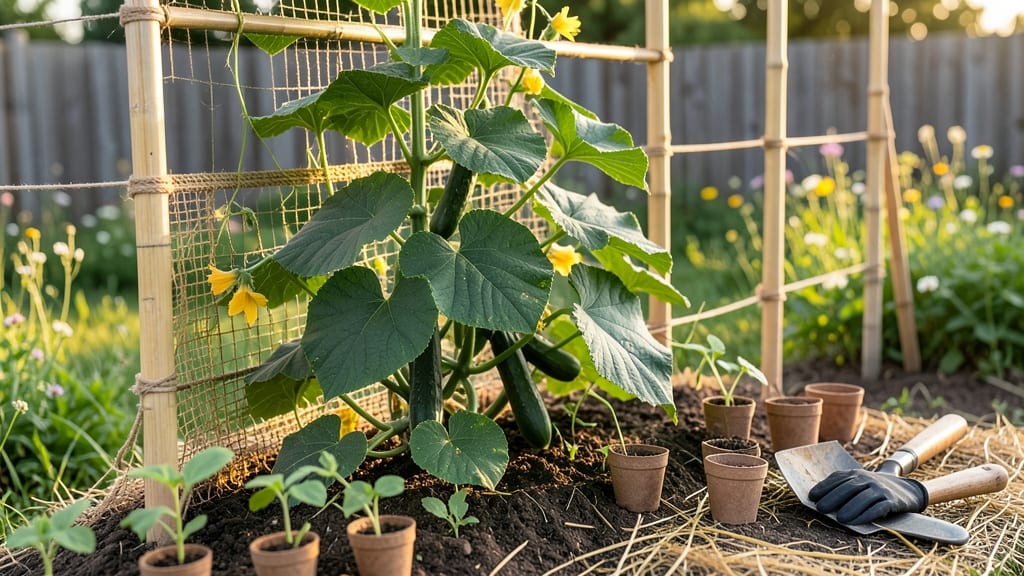
If you’ve ever wondered when to plant cucumbers in Florida without risking heat stress or pests, the answer isn’t as simple as "whenever you want." Florida’s frost-free climate lets you grow these 🥒 year-round, but timing still makes the difference between a bumper crop and a disappointing harvest.
Most gardeners in Florida’s 9a-11 zones focus on two key windows: early spring (February-March) and late summer (August-September). These periods avoid the brutal midday heat of June-July, which can scorch young plants and attract cucumber beetles.
But did you know that succession planting—staggering your seeds every 2-3 weeks—can extend your harvest from April through November?
What sets Florida apart? Unlike northern states, you don’t need to wait for frost dates—just soil temperatures. Aim for 60°F+ to kickstart germination, and pair that with shade cloth during peak summer to protect tender seedlings.
Even urban gardeners can thrive with container growing, as long as they mimic these timing tricks.
In this guide, I’ll break down the exact planting schedules for your region, plus how to outsmart Florida’s heat and pests. Ready to turn your garden into a year-round cucumber oasis? Let’s dig in.
Florida cucumber planting calendar by zone: exact dates for zero-frost success
Florida’s frost-free climate means you can grow cucumbers almost year-round—but that doesn’t mean timing doesn’t matter. The key is avoiding peak summer heat (June–July) and early spring chills (January–February) that slow germination. Instead, focus on soil temperature (ideal: 70–90°F) and humidity management to maximize yields.
North Florida (Zones 8a–9a) has slightly different windows than South Florida (Zones 10a–11), so let’s break it down by region.
For North Florida (e.g., Jacksonville, Gainesville), aim for early spring (February–March) or late summer (August–September). Soil warms faster in spring, while late summer avoids the brutal midday sun.
In Central Florida (Orlando, Tampa), you can stretch planting into mid-April or early October for fall harvests. South Florida (Miami, Key West) enjoys longer growing seasons—plant January–February or September–October—but watch for hurricane season (June–November) that can damage vines.
Here’s the golden rule: Cucumbers thrive when soil temps hit 60°F+ and stay above 75°F for germination. Use a soil thermometer to check—planting too early in cool soil leads to rotten seeds or stunted growth.
Pro tip: Black plastic mulch raises soil temps by 5–10°F, speeding up sprouting in early spring.
| Florida Zone | Best Planting Window | Soil Temp Goal (°F) | Harvest Window | Key Considerations |
|---|---|---|---|---|
| North (8a–9a) | Feb 15–Mar 15 Aug 15–Sep 15 |
65–75°F | Apr–Jun Oct–Nov |
Avoid May heat; use shade cloth if temps >90°F |
| Central (9b–10a) | Jan 20–Feb 20 Aug 1–Sep 10 |
70–80°F | Mar–May Sep–Nov |
Succession plant every 2 weeks for continuous harvest |
| South (10b–11) | Jan 1–Feb 10 Sep 15–Oct 15 |
75–90°F | Feb–Apr Oct–Dec |
Watch for fungal diseases in humidity; mulch heavily |
If you’re in North Florida, don’t skip the August–September window—it’s your last chance for a fall harvest before winter sets in (yes, even Florida gets cooler!).
For Central and South Florida, you can technically plant year-round, but January–February and September–October give the best balance of cool nights (preventing bitterness) and warm days (speeding up growth). Avoid June–July unless you’re using shade cloth—cucumbers bolt (flower prematurely) when temps hit 95°F+.
For container gardening (urban Florida), stick to compact varieties like ‘Spacemaster’ or ‘Bush Champion’ and plant March–April or September. Containers heat up faster, so water daily and use self-watering pots to maintain moisture. In-ground gardens benefit from raised beds in spring to warm soil quicker and improve drainage.
One critical Florida-specific tip: Cucumber beetles (those yellow-striped pests) thrive in summer heat. To deter them, plant basil or marigolds nearby or use neem oil sprays every 7–10 days. Early morning is the best time to apply—it gives the spray time to dry before the sun intensifies.
Pro move: Test your soil’s pH before planting—cucumbers prefer 6.0–6.8. Florida’s sandy soils often need compost or aged manure to retain moisture and nutrients. Mix in 2–3 inches of compost 2 weeks before planting to give roots a nutrient boost without burning tender seedlings.
Finally, succession planting is your secret weapon for non-stop cucumbers. In Central/South Florida, sow new seeds every 2 weeks from February–April and September–October. In North Florida, space plantings 10–14 days apart in spring and fall. This ensures you’re always harvesting fresh cucumbers while older plants fade.
Remember: Florida’s humidity and heat can stress cucumbers, but with the right timing and care, you’ll enjoy crisp, homegrown cucumbers from spring through fall.
Start with the zone-specific calendar above, then tweak based on your microclimate—shady spots, wind exposure, or urban heat islands can shift ideal planting dates by a week or two.
How to extend your cucumber season in Florida: succession planting & heat-tolerant varieties
Florida’s long growing season lets you enjoy fresh cucumbers year-round, but summer heat can quickly turn your garden into a cucumber graveyard. The secret? Succession planting and choosing varieties bred for Florida’s 90°F+ temperatures.
By spacing out plantings every 2-3 weeks, you’ll keep vines producing from April through November—no mid-summer break needed.
Start with your first batch in late February when soil hits 60°F, then repeat every 14-21 days until mid-September. This staggered approach ensures continuous harvests while avoiding the June-July heat slump, when cucumber beetles and fungal diseases surge.
For containers, use 5-gallon pots with trellises to save space and improve airflow.
Not all cucumbers handle Florida’s heat equally. Opt for heat-tolerant varieties like ‘Straight Eight’ (classic slicing type) or ‘Marketmore 76’ (disease-resistant bush variety). These perform best in 85-95°F temps, while traditional varieties like ‘Lemon Cucumber’ may bolt or turn bitter.
Pro tip: Look for seeds labeled “parthenocarpic”—they produce fruit without pollination, reducing the risk of poor yields in humid conditions.
- ⏳ Plant in stages: Start Feb 20-March 15 (spring) and Aug 1-Sept 15 (fall) for two harvest waves.
- 🌞 Use shade cloth: Cover seedlings with 30-50% shade during June-July to prevent wilting.
- 💧 Water deeply at dawn: Aim for 1-2 inches weekly; mulch with straw to retain moisture.
- 🪴 Trellis vines: Elevate plants to improve airflow and reduce fungal diseases like powdery mildew.
- 🛡️ Pest-proof your patch: Spray neem oil weekly to deter cucumber beetles and squash bugs.
Even with the best timing, Florida’s humidity can spell disaster for cucumbers. Watch for yellowing leaves (sign of powdery mildew) or chewed vines (cucumber beetles). Act fast: Remove infected leaves immediately and apply copper fungicide or row covers for beetle-prone plants.
A 1-inch layer of mulch also blocks soil-borne diseases from splashing onto leaves.
For urban gardeners, container growing is a game-changer. Fill pots with well-draining potting mix and fertilize lightly every 4-6 weeks with a 10-10-10 NPK blend. Place containers near south-facing walls to maximize sun exposure, and harvest cucumbers every 2-3 days to prevent bitterness.
With these tricks, you’ll enjoy crisp cucumbers straight from your balcony year-round!
Remember: Florida’s heat is your ally if you work with it. By mastering succession planting and variety selection, you’ll turn your garden into a non-stop cucumber factory—no frost dates required. 🥒