
Plants
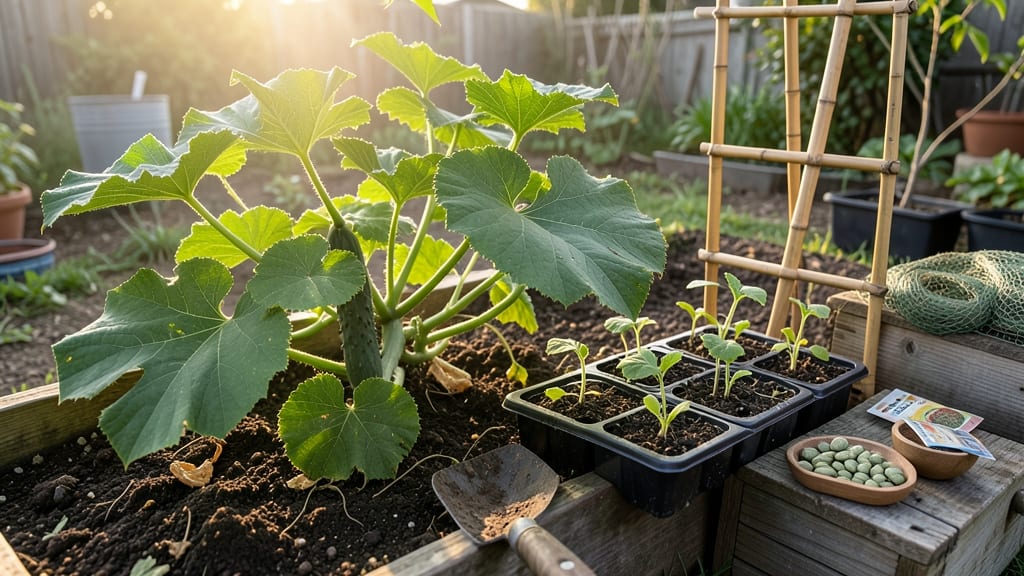
Knowing when to plant cucumbers in Zone 6b can mean the difference between a thriving 🥒 harvest and wasted effort.
The last frost typically arrives around April 15, but rushing to plant too soon risks stunted growth or frost damage—waiting until soil hits 60°F ensures strong roots and rapid vine growth.
For Zone 6b gardeners, the ideal window opens in mid-April to early May, giving cucumbers 165 frost-free days to mature. Whether you're direct-sowing seeds or transplanting seedlings, timing matters—plant too late, and your harvest shrinks before fall frost hits.
Here’s the game-changer: succession planting every 2 weeks after your initial sowing extends your harvest through September. With the right techniques, you can enjoy crisp cucumbers all summer long—no more empty vines or missed opportunities.
Let’s break down the exact steps to nail your planting schedule, from soil prep to harvest timing, so you can grow cucumbers like a pro. Ready to transform your garden?
Zone 6B cucumber planting timeline: exact dates for frost-free success
In Zone 6B, the difference between a bountiful cucumber harvest and a failed crop often comes down to planting timing. Cucumbers are warm-season vegetables that despise frost, so waiting until after your average last frost date (typically April 15) is non-negotiable.
But there’s more to it than just avoiding frost—soil temperature and regional microclimates play huge roles in determining the perfect planting window.
For most of Zone 6B, the ideal planting window stretches from mid-April to early May, assuming your soil has warmed to at least 60°F. This ensures cucumber seeds germinate quickly and vines grow vigorously.
However, gardeners in Appalachian regions may need to wait an extra week or two due to cooler soil temperatures, while those in the Midwest can sometimes plant slightly earlier if using black plastic mulch to warm the soil.
Here’s the critical timeline for cucumbers in Zone 6B:
| Stage | Action | Notes |
|---|---|---|
| Soil Prep | Test soil pH (aim for 6.0-6.8) | Add compost for fertility |
| Last Frost | Wait until April 15 (or after) | Use row covers if planting early |
| Soil Temp | Plant when soil hits 60°F | Use a soil thermometer for accuracy |
| Direct Sow | Mid-April to early May | Plant seeds 1 inch deep, 3-4 ft apart |
| Transplant | Late May (if starting indoors) | Hardy seedlings survive 50°F nights |
| First Harvest | Late June to early July | Pick frequently to encourage more fruit |
| Peak Harvest | July to August | Expect 50-70 days to maturity |
If you’re starting cucumbers indoors for an earlier transplant, begin seeds 4-6 weeks before your last frost date. Use biodegradable pots to avoid transplant shock, and harden off seedlings by exposing them to outdoor conditions for 1 week before planting.
This method works well for bush varieties like 'Bush Champion' or 'Spacemaster,' which mature faster and are ideal for container gardening.
For direct sowing, which is simpler and often more successful, plant seeds 1 inch deep and 3-4 feet apart in rows spaced 4-6 feet apart. This spacing gives vines room to sprawl and reduces competition for nutrients.
If space is limited, opt for bush cucumbers, which stay compact and produce just as prolifically.
One common mistake in Zone 6B is planting cucumbers too early in hopes of an extended harvest. While it’s tempting to get a head start, cool soil temperatures slow germination, and late spring frosts can wipe out young plants.
Instead, focus on succession planting—sow a second batch every 2 weeks after your first planting to stagger your harvest through August or even September.
Pro tip: Use black plastic mulch to warm the soil faster and suppress weeds. This simple trick can shave 1-2 weeks off your planting timeline, giving your cucumbers a head start in the growing season. Just be sure to remove it before the first frost to prevent soil compaction.
Finally, keep an eye on your local microclimate. Gardens near large bodies of water or in low-lying areas may experience later frost dates than official averages. Check your neighborhood’s frost history or use a frost calendar app to fine-tune your planting schedule.
When in doubt, wait one more week—your cucumbers will thank you with a longer, more productive growing season.
How to extend your cucumber season in Zone 6B: cold frames, row covers & succession planting
Zone 6B’s 165 frost-free days might feel tight for cucumbers that need 50-70 days to mature. But with smart tactics, you can stretch your harvest from June to September—or even earlier! The secret? Cold-hardy varieties, protective covers, and strategic succession planting.
Start by choosing cold-tolerant varieties like 'Northern Pickling' or 'Straight Eight', which handle cooler soils better. Pair them with row covers or black plastic mulch to warm the soil faster and shield young plants from late frosts.
Here’s how to maximize your growing window with actionable steps:
Start early with row covers or a mini greenhouse. Remove covers when flowers appear to allow pollination.
Plant succession crops every 2 weeks from mid-April to early June. This ensures a steady supply of fresh cucumbers.
Use black plastic mulch to raise soil temperature by 5-10°F, accelerating germination and growth.
For late-season harvests, try cold frames or low tunnels to protect plants from early fall frosts.
Don’t forget to harvest frequently—picking cucumbers every 2-3 days encourages more production. If vines slow down in late August, give them a light fertilizer boost to push new growth.
With these techniques, you’ll enjoy homegrown cucumbers for months, not just weeks. The key is adapting to Zone 6B’s short season while giving your plants every advantage.