
Plants
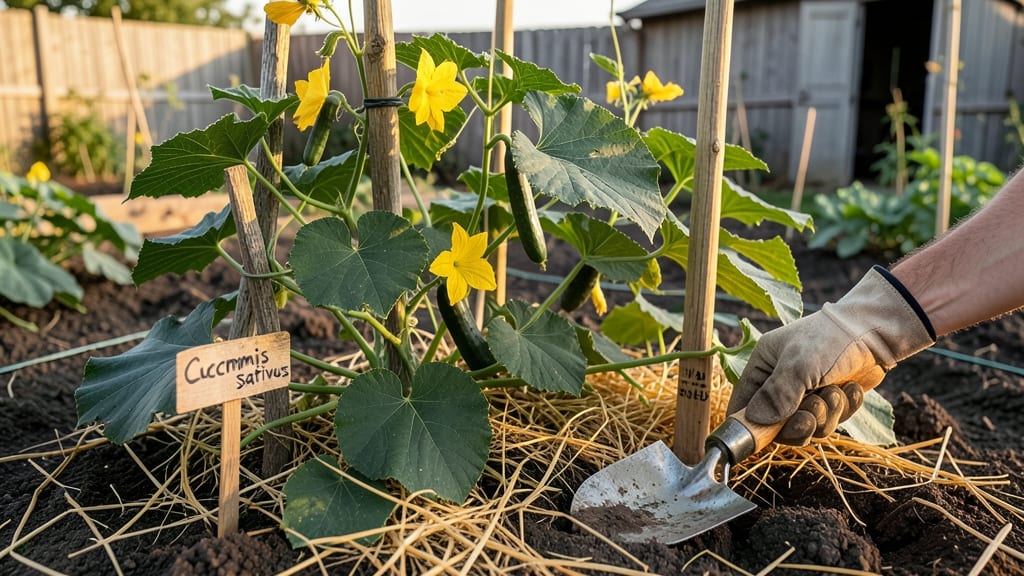
Timing your 🥒 cucumber planting in South Carolina isn’t just about avoiding frost—it’s about unlocking a 90-day harvest that beats the heat and humidity. Plant too early, and you’ll waste seeds on chilly soil; too late, and summer’s sweltering days will stifle your vines before they even take off.
Here’s the secret: Zone 7b-8b growers have two perfect windows—spring (mid-April to early June) and fall (late July to early August)—where soil temps hit that sweet 60°F threshold.
But timing isn’t one-size-fits-all. Charleston’s coastal breezes delay frost longer than Upstate’s valleys, and your choice between bush or vining varieties can shift your ideal dates by weeks.
I’ve grown cucumbers in SC’s climate for years, and I’ll show you exactly how to sync your planting with the state’s 220 frost-free days, plus pro tips to stretch harvests from June through October. Ready to turn your garden into a cucumber powerhouse? Let’s get started.
Whether you’re a first-time gardener or a seasoned pro, these zone-specific strategies will help you avoid common mistakes—like planting when soil’s still too cold or ignoring humidity’s role in disease prevention.
You’ll learn which varieties thrive in SC’s heat, how to use mulch to supercharge growth, and when to start succession planting for nonstop harvests.
South Carolina planting zones & ideal cucumber planting dates by month
South Carolina’s USDA zones 7b-8a create a unique growing window for cucumbers—long, hot summers paired with mild winters. The key to success lies in planting after the last frost date (typically mid-March to early April) and before summer heat stress sets in.
Most gardeners aim for mid-April to early June for spring harvests, with a second window in late July to early August for fall production.
Timing varies slightly across the state: Charleston (Zone 8a) enjoys a 30-day longer growing season than Greenville (Zone 7b), so adjust your schedule accordingly. For example, coastal areas can start planting 2-3 weeks earlier than Upstate regions.
Always confirm your local last frost date using the SC State Climate Office for precision.
| Month | Zone 7b (Greenville) | Zone 8a (Charleston) | Key Consideration |
|---|---|---|---|
| April | Start transplants after April 15 (soil 60°F+) | Start transplants after April 1 (soil 60°F+) | Wait for night temps above 55°F |
| May | Direct sow by May 15 | Direct sow by May 1 | Use black plastic mulch to warm soil |
| June | Succession plant every 2 weeks | Succession plant every 2 weeks | Provide afternoon shade in 90°F+ heat |
| July | Fall prep: plant heat-tolerant varieties | Fall prep: plant heat-tolerant varieties | Choose 'Southern Sweet' or 'Straight Eight' |
| August | Plant for fall harvest by August 15 | Plant for fall harvest by August 1 | Use row covers for cooler nights |
For spring planting, direct sow cucumbers 2-3 weeks after your last frost date when soil temperatures reach 60°F+.
Use a soil thermometer to monitor—cucumbers won’t germinate below 55°F. In Zone 7b, this typically means waiting until mid-April, while Zone 8a gardeners can start as early as early April.
Transplants offer a 2-week head start over direct sowing. Purchase 6-inch seedlings from local nurseries (like Pinehurst Nursery) and harden them off for 5-7 days before transplanting. Avoid planting too early—cold soil delays germination, and frost-sensitive cucumbers will bolt if stressed.
Fall planting requires careful timing to avoid early frost damage. Aim to plant heat-tolerant varieties like 'Southern Sweet' or 'Straight Eight' between late July and early August.
These varieties thrive in 85-95°F temperatures and produce well until first frost (typically mid-November). Use row covers to extend the season by 2-3 weeks.
Pro tip: Succession planting every 2 weeks from April to June ensures a continuous harvest. For example, plant one batch on April 15, another on May 1, and a final batch on May 15 to stagger ripening.
This technique works especially well for bush varieties like 'Bush Champion,' which mature faster (50 days) than vining types.
Always check local microclimates—areas near bodies of water (like Lake Hartwell) may have later frost dates than inland regions. Adjust your schedule accordingly to maximize your 90-day harvest window.
Remember: Cucumbers hate cold soil. If you rush planting, germination will be slow or nonexistent. Patience pays off with healthier vines and bigger yields.
5 Critical factors that determine your cucumber planting success in SC
South Carolina’s humid subtropical climate throws unique challenges at cucumber growers, from late spring frosts in the mountains to summer heat stress in coastal areas. These 5 critical factors will help you time your planting perfectly and avoid common pitfalls like powdery mildew or stunted growth.
First, last frost dates vary dramatically across SC’s USDA zones 7b-8b. Charleston’s coastal zone (8a) typically sees its last frost by March 15, while Greenville’s inland zone (7b) may experience frost until April 15. Always check your local agricultural extension service for precise dates before planting.
Soil temperature matters just as much as air temperature—cucumber seeds won’t germinate reliably below 60°F soil temp. Use a soil thermometer to confirm readiness, especially in cooler inland areas like Upstate SC. Pro tip: Black plastic mulch can raise soil temps by 5-10°F and speed up germination.
- 🌡️ Soil Temperature: Wait until soil reaches 60°F+ (use thermometer)
- 📅 Frost Dates: Plant after last frost (varies by zone: 7b vs 8a)
- 🌱 Variety Selection: Choose heat-tolerant types like 'Straight Eight' for summer
- 💧 Water Management: Deep watering morning-only prevents fungal diseases
- 🌿 Companion Planting: Pair with radishes/marigolds; avoid planting near potatoes
Don’t overlook variety selection—some cucumbers thrive in SC’s 90°F+ summers while others bolt quickly. For spring plantings, try 'Southern Sweet 10' (disease-resistant) or 'Sweet Success' (compact bush type). For fall harvests, opt for 'Diva' or 'Marketmore 76'—both handle cooler temps better than standard varieties.
Your watering strategy can make or break your harvest. Cucumbers need 1-2 inches of water weekly, but overhead watering at night creates perfect conditions for powdery mildew.
Instead, water deeply in the morning and use drip irrigation to keep foliage dry. Mulch with straw or shredded leaves to retain moisture and suppress weeds.
Finally, companion planting can boost your yields by 30-40%** through natural pest control. Pair cucumbers with radishes (they deter cucumber beetles) or marigolds (repel nematodes). Avoid planting near potatoes or melons, which compete for nutrients and attract similar pests.
A well-planned 3-sister garden with corn, beans, and cucumbers creates a self-sustaining ecosystem.