Plants
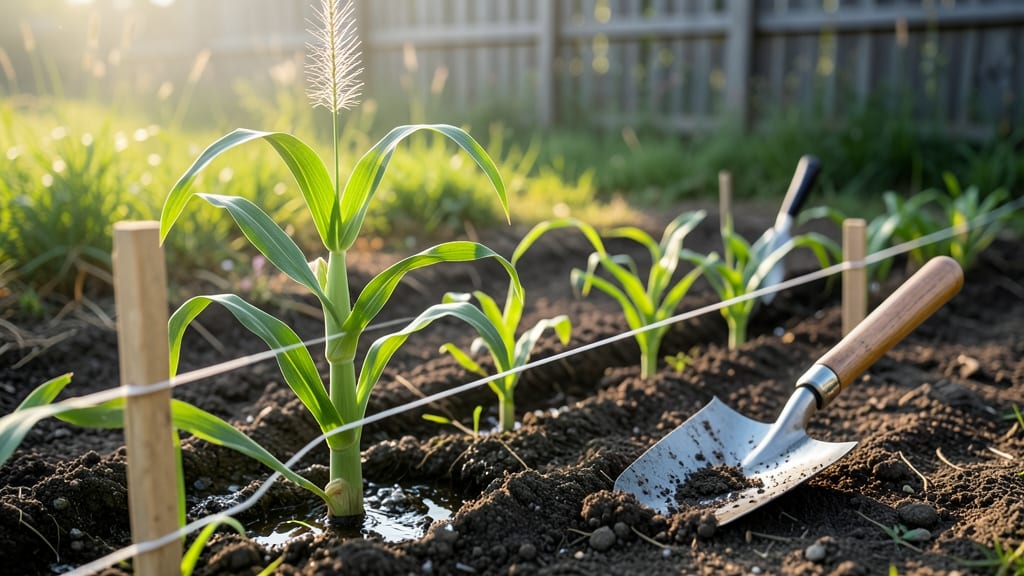
Planting corn in South Carolina at the right time can mean the difference between a bumper crop of sweet, juicy 🌽 and a disappointing harvest. The key is understanding your USDA zone and soil conditions, which vary across the state's diverse climate regions.
If you've ever wondered why some gardens produce towering corn stalks while others struggle, timing is the most important factor.
South Carolina's warm springs and long summers create the perfect environment, but getting those seeds in the ground too early or too late can lead to stunted growth or even total failure.
I'll show you exactly when to plant—whether you're in the coastal plains or the Piedmont region—so you can maximize your yield. From soil temperature thresholds to frost dates, we'll cover all the critical details you need to know for a successful corn harvest.
Ready to grow corn that reaches its full potential? Let's dive into the optimal planting windows and tips tailored specifically for South Carolina gardeners, so you can enjoy homegrown corn straight from your garden this summer.
South Carolina corn planting calendar by USDA Zone: exact weeks for optimal growth
South Carolina spans USDA Zones 7b, 8a, and 8b, meaning your last frost dates range from mid-March to early April, while first frost arrives between mid-October and early November.
Corn thrives in warm soil, so planting too early can stunt growth, while late planting risks heat stress before harvest. Let's break down the ideal planting windows for each zone.
For Zone 7b (cooler inland areas like Greenville), aim to plant sweet corn between April 15 and May 15.
This window ensures soil temperatures stay above 60°F (15°C), which is critical for germination. Field corn can tolerate slightly cooler starts, but wait until May 1 to avoid frost damage.
In Zone 8a (Columbia and Charleston), your planting window stretches from April 1 to May 31. The warmer climate allows for earlier starts, but avoid planting before April 15 unless you use black plastic mulch to warm the soil faster.
This zone benefits from two planting batches: one in early April for late-summer harvests and another in late April for fall.
For Zone 8b (coastal areas like Hilton Head and Myrtle Beach), plant between March 15 and May 15. Coastal regions warm up faster, but humidity and salt spray can stress young plants. Start with early-maturing varieties (60-70 days to harvest) to avoid hurricane season risks later in the year.
| USDA Zone | Planting Window | Soil Temp Threshold | Ideal Variety Type | Days to Maturity |
|---|---|---|---|---|
| 7b (Greenville) | April 15–May 15 | 60°F (15°C) | Sweet corn (early-mid) | 70–85 days |
| 8a (Columbia) | April 1–May 31 | 55°F (13°C) | Sweet/field corn | 60–90 days |
| 8b (Hilton Head) | March 15–May 15 | 58°F (14°C) | Early-maturing sweet | 60–75 days |
Corn is a warm-season crop, so direct sowing is always best—never start indoors. Plant seeds 1 inch deep and 12 inches apart in rows spaced 30–36 inches apart.
Use early-maturing varieties (60–75 days) for Zone 7b to avoid fall frost, while mid-season varieties (80–90 days) work well in Zones 8a and 8b for extended harvests.
If you're in a cooler microclimate (e.g., mountainous areas), consider using black plastic mulch to warm the soil 2–3 weeks earlier. Remove the mulch once plants emerge to prevent overheating. For coastal gardens, prioritize disease-resistant varieties like 'Silver Queen' or 'Peaches and Cream' to combat humidity-related issues.
Always monitor soil moisture—corn needs 1–2 inches of water per week, especially during tasseling and ear development. In Zone 8b, watch for hurricane season (June–November) and consider staking taller varieties or using windbreaks to protect your crop.
For a continuous harvest, stagger plantings every 2 weeks within your zone's window. This ensures fresh ears from late summer through early fall, just before first frost. Keep a planting journal to track which varieties thrive in your specific microclimate—this helps refine your schedule year after year.
Remember, corn pollination requires cross-pollination, so plant at least 4 rows (or 100+ plants) for reliable ear development. If you're growing heirloom or rare varieties, isolate them by at least 200 feet to prevent cross-contamination.
Finally, test your soil pH before planting—corn prefers 6.0–7.0. Amend with compost or lime if needed, and apply a balanced fertilizer (10-10-10) at planting time. With the right timing and care, you'll enjoy juicy, homegrown corn straight from your South Carolina garden!
How to adjust corn planting dates for South Carolina’s microclimates and weather risks
South Carolina’s diverse geography—from the humid coastal plains to the rolling Piedmont hills—means corn planting dates can vary by up to 3 weeks depending on your location. Coastal areas like Charleston often experience warmer springs earlier, while inland regions near Greenville may need to wait longer for consistent soil temperatures.
Understanding these microclimates helps you avoid heat stress or late-season frost risks.
Even within the same USDA zone, elevation changes can shift planting windows. For example, a garden at 1,000 feet elevation in the Upstate might need to plant 2 weeks later than one near the coast.
Always check your local frost-free date and adjust accordingly—corn is sensitive to cold snaps, even after germination.
Another critical factor is soil temperature. Corn seeds won’t sprout reliably until the soil reaches 60°F (15°C) at a depth of 2 inches. In cooler Piedmont areas, this might not happen until mid-April, while coastal zones could be ready by early March.
Use a soil thermometer to confirm before planting.
Early heatwaves can also disrupt corn growth. If temperatures exceed 90°F (32°C) during pollination (when tassels appear), kernels may develop poorly. In this case, opt for shorter-season varieties or plant in partial shade using shade cloth. Drip irrigation can also help maintain soil moisture during heat spikes.
For gardeners in Zone 7b (like Columbia), aim to finish planting by May 15 to ensure ears mature before the first frost in October. In Zone 8a/8b (coastal areas), you have until June 1, but watch for hurricane season—late-planted corn may struggle with wind damage.
Pro tip: Plant in blocks, not rows, to improve pollination success. If your garden faces unpredictable weather, stagger plantings every 2 weeks for a prolonged harvest. This way, you’ll always have fresh ears ready to pick, no matter what Mother Nature throws your way.