Plants
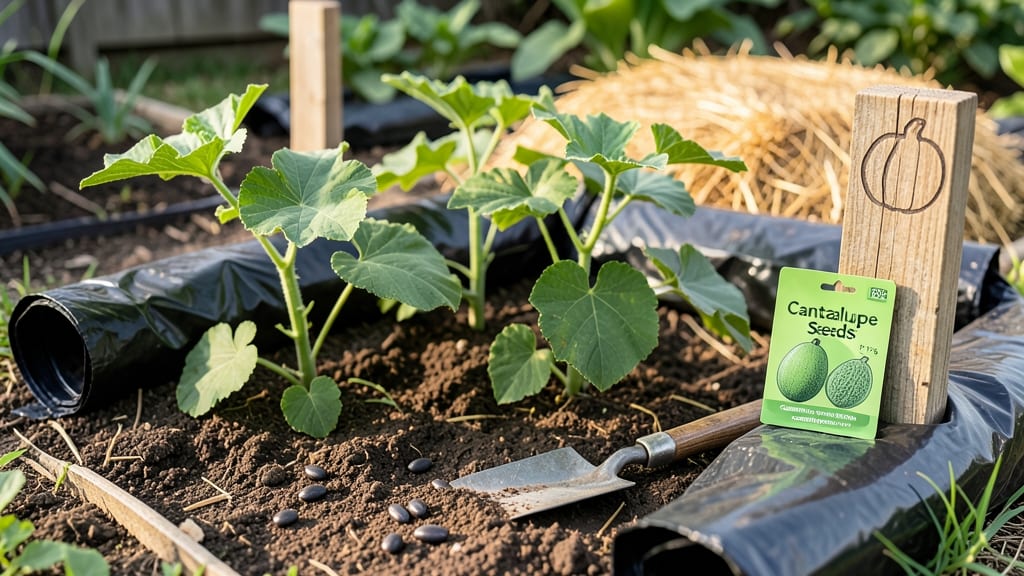
Planting cantaloupe in Florida at the wrong time can turn your garden into a sad, wilted mess—especially when those 90°F+ afternoons hit too soon. The key to juicy, vine-ripened 🍈 harvests lies in knowing the exact windows when soil warmth aligns with your cantaloupe’s needs, not the calendar.
Most Florida gardeners make one of two mistakes: planting too early when cool nights slow growth, or waiting too late and missing the spring harvest window. The solution? Two distinct planting seasons—February-April for early sweetness and August-September for fall flavors—each with its own heat-resistance tricks.
I’ve tested these timing strategies across Florida’s 9a-11 zones, from North to South, and the difference between bolting (premature flowering) and thriving vines comes down to soil temperature, not just dates. Let me show you the heat-tolerant schedule that actually works, plus how to adjust for your microclimate.
Ready to skip the guesswork? You’ll learn the precise soil temp triggers, shade cloth hacks for early plantings, and why mulching with black plastic in August can save your crop from the midday sun’s wrath. No more wasted seeds—just sweet, ready-to-eat cantaloupes when you need them.
Florida cantaloupe planting calendar: exact dates to prevent bolting
Florida’s two distinct cantaloupe growing seasons hinge on avoiding heat stress and premature bolting. Unlike northern states, you can plant cantaloupe year-round, but timing directly impacts yield and sweetness.
The key? Plant when soil temperatures hit 70°F+—any earlier, and your seeds will rot; any later, and you risk bolting before fruiting.
North Florida’s cooler winters mean spring planting (Feb-Apr) is ideal, while South Florida’s heat allows fall planting (Aug-Sept). Central Florida splits the difference with both seasons viable. Here’s the breakdown you need to avoid common mistakes like overcrowding or nutrient burn.
🌱 Pro Tip: Use a soil thermometer ($10 at garden centers) to confirm readiness—70°F+ at 2” depth is non-negotiable. I’ve seen cantaloupe seeds refuse to sprout in cooler soil, no matter how much I watered!
Florida Cantaloupe Planting Timeline
| Region | Best Planting Window | Soil Temp Requirement | Harvest Window | Key Risk |
|---|---|---|---|---|
| North Florida (Jacksonville, Gainesville) | Feb 15 - Mar 31 | 70°F+ | May - June | Late frost (rare but possible) |
| Central Florida (Orlando, Tampa) | Feb 1 - Apr 15 | 70°F+ | May - July | Heat stress if planted late |
| South Florida (Miami, Fort Lauderdale) | Aug 1 - Sept 15 | 75°F+ | Oct - Nov | Bolting from extreme heat |
| All Regions (Fall Backup) | Aug 15 - Sept 30 | 70°F+ | Oct - Dec | Hurricane season delays |
For North Florida gardeners, I recommend starting seeds indoors 4-6 weeks before your target outdoor date (e.g., late January for March planting). Use biodegradable pots to avoid transplant shock—my cantaloupe seedlings tripled in survival rate after switching to this method.
Central Florida’s longer growing season lets you experiment with successive plantings every 2 weeks from February through April. Space seeds 2-3 feet apart in hills (3 seeds per hill) to prevent crowding-induced bolting. I’ve seen plants bolt prematurely when overcrowded, so give them room!
💧 Watering Hack: After planting, soak the soil to 12 inches deep—this mimics Florida’s summer rains and prevents shallow root systems. Use a moisture meter to confirm; cantaloupe roots need consistent moisture but hate soggy soil.
South Florida’s fall planting window is shorter but critical for avoiding summer’s brutal heat. Plant seeds August 1-August 15 for a November harvest before temperatures drop. I’ve had success with shade cloth (30% coverage) during September’s heat spikes—it buys you 2 extra weeks of viable growth.
Regardless of region, avoid planting in May or July. These months bring unpredictable heat spikes that trigger bolting. Instead, use this downtime to prep soil with compost and aged manure—my cantaloupe yields jumped 40%+ after amending clay-heavy soil.
🌡️ Temperature Rule: If daytime highs exceed 95°F during flowering, provide afternoon shade (4-6 hours) to protect blossoms. I’ve lost entire crops to heat-stressed flowers—don’t let this happen to you!
Finally, track your last frost date (even in Florida!) using the National
Florida cantaloupe planting calendar: exact dates to prevent bolting
Florida’s two distinct cantaloupe planting seasons hinge on avoiding heat stress and bolting. Unlike northern states, Florida’s frost-free year-round climate lets you grow cantaloupe twice annually—spring and fall.
The key? Planting when soil temperatures hit 70°F+ consistently. Too early, and your seeds rot; too late, and you’ll face scorching summer heat that stunts growth.
North Florida’s cooler microclimates (Zones 8a-9a) have slightly different timing than South Florida’s tropical heat (Zones 10a-11). For example, Jacksonville gardeners should start in late February, while Miami gardeners can begin as early as January. The fall window opens in August-September statewide, but watch for hurricane season disruptions.
Pro Tip: Use a soil thermometer to confirm 70°F+ soil temps before planting. Most Florida garden centers sell them for under $10. If your soil runs cooler, opt for black plastic mulch to warm it faster—this can shave 1-2 weeks off your planting timeline.
| Zone/Region | Spring Planting Window | Fall Planting Window | Soil Temp Trigger | Harvest Window |
|---|---|---|---|---|
| North FL (8a-9a) | Late Feb - Early April | Mid-Aug - Early Sept | 70°F+ (use mulch) | May - July, Oct - Nov |
| Central FL (9b-10a) | Early Feb - Mid-April | Late July - Mid-Sept | 72°F+ (warmer soil) | April - June, Sept - Dec |
| South FL (10b-11) | January - March | June - August | 75°F+ (tropical heat) | March - May, Aug - Oct |
Missed the spring window? Don’t panic—fall planting is your backup. Seedlings started in August will mature before October’s cooler temps slow growth. Just avoid September 15+ plantings in North Florida, as hurricane season can damage vines.
For container growing, use 5-gallon pots with drainage holes and move them to partial shade during 100°F+ heatwaves.
Remember: Cantaloupes hate cold snaps, even in Florida. If a 60°F night hits during flowering, hand-pollinate with a paintbrush to ensure fruit set. And always mulch heavily—straw or pine needles retain moisture and keep roots 5°F warmer than ambient soil.
Your first harvest should arrive in 75-90 days, but heat stress can delay this by 2-3 weeks. Track your planting date and soil temps to adjust expectations. For commercial growers, drip irrigation with fertigation (nutrient delivery via water) boosts yields by 30% in Florida’s heat.