
Plants
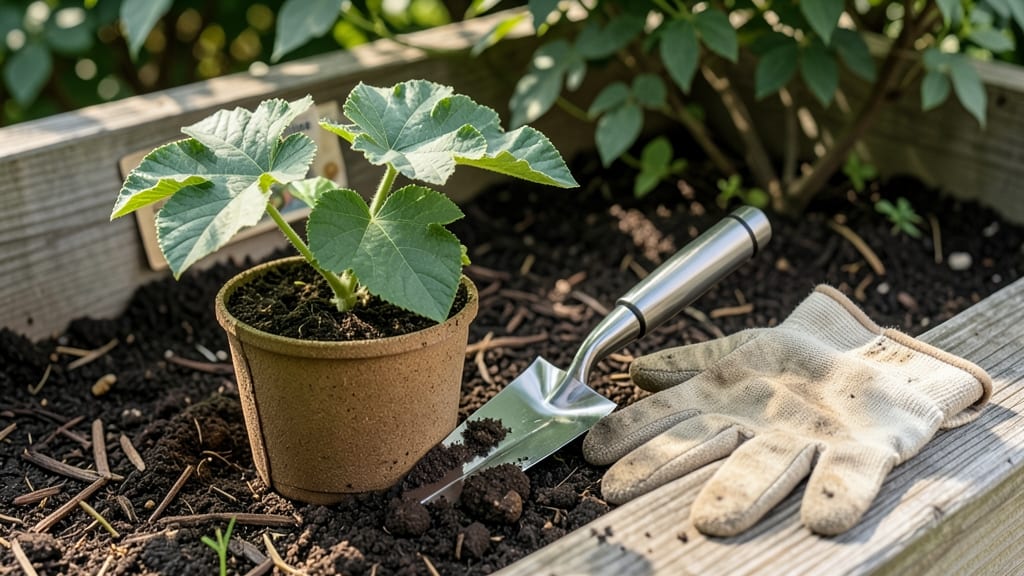
Timing your cantaloupe planting in Michigan can mean the difference between sweet, vine-ripened 🍈 melons and bitter disappointment. The key isn't just waiting for warm weather—it's understanding your specific USDA zone (5b-6b) and soil conditions to avoid frost damage or stunted plants.
Most Michigan gardeners make the mistake of planting too early, only to watch their seedlings wilt when temperatures dip below 55°F at night. I've learned the hard way that waiting until soil reaches at least 70°F—typically mid-April to mid-June—makes all the difference for successful germination.
In this guide, I'll walk you through the exact frost-free dates by region, whether to start seeds indoors or direct-sow, and how to choose the best cantaloupe varieties for Michigan's short growing season. You'll discover how to extend your harvest window and avoid common pests that threaten your crop.
By the end, you'll have a clear planting schedule that maximizes your chances of growing juicy, homegrown cantaloupes—without the guesswork. Let's get your Michigan garden ready for a bountiful summer harvest!
Michigan’s frost-free zones and ideal cantaloupe planting dates by month
Michigan’s frost-free dates and USDA zones (4-7) determine your cantaloupe planting window. Northern regions like Traverse City (Zone 5b) have later last-frost dates, while southern areas like Detroit (Zone 6b) can plant earlier.
Always wait until soil temperatures reach 70°F+—cantaloupes won’t germinate in cold soil. Use a soil thermometer to check!
For direct-sowing (most common), plant seeds 1-2 weeks after your last frost date. In Michigan, this typically means mid-April to mid-June, depending on your zone.
Starting seeds indoors 4-6 weeks before the last frost can give you a head start, but cantaloupes are sensitive to transplant shock, so direct-sowing is often better.
Missed the spring window? Don’t worry! Cantaloupes thrive in warm weather, so you can also try a late-July succession planting for a fall harvest. However, this requires row covers or black plastic mulch to protect young plants from any unexpected early frosts in September.
Here’s a quick reference for Michigan’s frost-free zones and ideal planting windows:
| USDA Zone | Last Frost Date | Ideal Planting Window | Soil Temp Requirement | Notes |
|---|---|---|---|---|
| Zone 4 (Upper Peninsula) | Mid-May | Late May to early June | 70°F+ | Short season; use fast-maturing varieties. |
| Zone 5 (Northern Lower) | Early May | Mid-May to late May | 70°F+ | Start seeds indoors for earlier harvests. |
| Zone 6 (Southern) | Mid-April | Late April to mid-May | 65°F+ (earlier sowing possible) | Longer season; can try succession planting. |
| Zone 7 (Thumb Region) | Early April | Mid-April to late April | 60°F+ | Warmest zone; best for early plantings. |
If you’re unsure about your last frost date, check the Michigan State University Extension or local weather stations. For example, Grand Rapids (Zone 5b) typically has its last frost around May 10, while Ann Arbor (Zone 6a) averages April 25.
Planting too early risks frost damage to young seedlings, so always monitor nighttime temperatures—they should stay above 55°F consistently.
For container gardening, use 5-gallon pots or larger to accommodate cantaloupe’s sprawling vines. Place containers in full sun and ensure they have drainage holes to prevent root rot. Container-grown cantaloupes may need extra watering since pots dry out faster than garden soil.
Pro tip: Use black plastic mulch to warm the soil faster and suppress weeds. This is especially helpful in cooler zones (4-5) where soil takes longer to heat up. Lay the mulch 2-3 weeks before planting to give it time to warm the ground.
Cantaloupes love warmth, so avoid planting in shady spots or areas with poor airflow. Choose a location with 6+ hours of direct sunlight and well-draining soil. Amend heavy clay soil with compost or sand to improve drainage—cantaloupes hate soggy roots!
Once planted, keep seeds 1 inch deep and 12 inches apart in rows spaced 3-4 feet apart. Thin seedlings to the strongest 2-3 plants per hill to give them room to spread. Mulch around plants with straw or grass clippings to retain moisture and keep soil temperatures stable.
🌱
Michigan’s frost-free zones and ideal cantaloupe planting dates by month
Michigan’s USDA zones 5b-6b create unique challenges for cantaloupe growers, where a single late frost can wipe out your entire crop. The key to success lies in understanding your specific last frost date and soil temperature requirements—because cantaloupe seeds need warmth to germinate.
Northern Michigan (zones 5a-5b) typically has last frost dates between May 1-15, while southern regions (zones 6a-6b) can plant as early as April 15-May 1. However, don’t rush—soil must reach at least 70°F for germination, which often happens 2-4 weeks after last frost.
Here’s the critical planting window: Mid-April to mid-June, but with regional variations. Southern Michigan gardeners can start direct-sowing in late April, while northern areas should wait until mid-May to avoid frost damage. This timing ensures your plants have 100+ frost-free days to mature.
Michigan Cantaloupe Planting Guide by Zone
| Zone | Last Frost Date | Ideal Planting Window | Soil Temp Requirement | Notes |
|---|---|---|---|---|
| 5a-5b (Northern MI) | May 1-15 | Mid-May to early June | 70°F+ | Use row covers for early starts |
| 6a-6b (Southern MI) | April 15-May 1 | Late April to mid-May | 70°F+ | Can direct-sow earlier with black plastic mulch |
🌱 PRO TIP: Always check your local Michigan State University Extension for your exact last frost date—it can vary by 1-2 weeks even within the same county!
If you’re unsure about your exact zone, use the USDA Plant Hardiness Zone Map or check with your local county extension office. I’ve found that even within a 5-mile radius, frost dates can shift by 3-5 days, so precision matters.
For container growers, start seeds indoors 3-4 weeks before your last frost date, using biodegradable pots to avoid transplant shock. Harden off seedlings for 7-10 days before moving them outdoors—this gradual transition helps them adapt to Michigan’s cool nights.
Remember: Cantaloupes need warmth to thrive, so if your soil is still below 65°F, wait. I’ve seen too many gardeners rush planting only to watch their seedlings rot in cold soil. Patience now means sweet rewards later.