
Plants
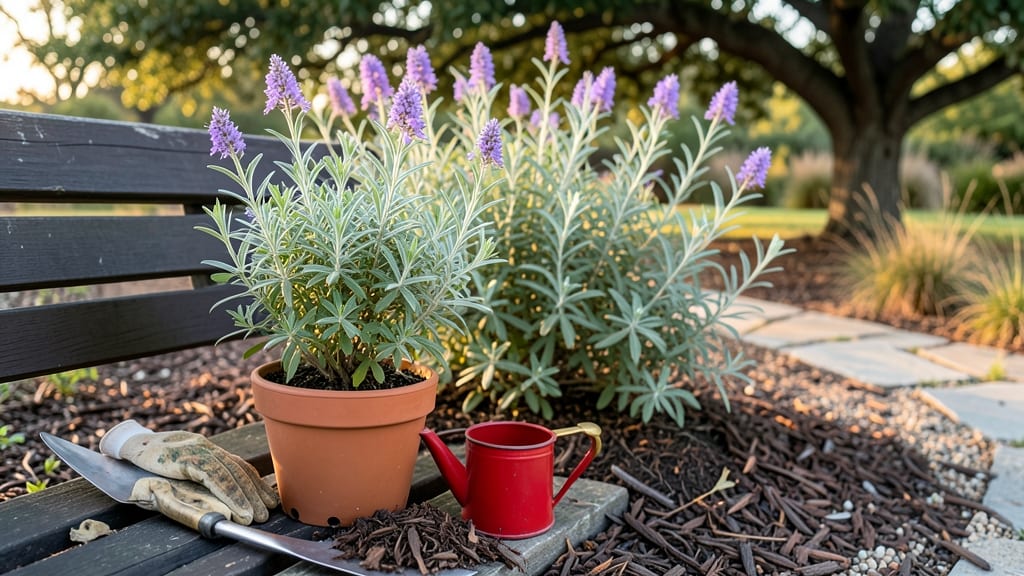
If you’re ever wondered when to plant bushes in Texas, you know timing is everything.
Watching your bushes struggle under Texas’s scorching sun or freeze in a late winter chill makes it clear that planting at the wrong time can mean the difference between a lush, thriving landscape and a sad, wilted investment.
Texas’s 8a-10b climate zones make the perfect planting window tricky—too early, and heat zaps new roots; too late, and cold snaps stifle growth. But with the right strategy, you can transform your yard into a vibrant oasis year after year.
Let’s break down the best months to plant bushes in Texas, tailored to your region and the types of shrubs you love.
From fall’s cooler temperatures (September–November) to spring’s gentle warmth (February–April), each season offers unique advantages. Whether you’re planting drought-resistant crape myrtles or delicate azaleas, knowing when to dig in the dirt is the key to success.
Ready to set your bushes up for a lifetime of growth? I’ll walk you through the ideal planting schedule, soil prep tips, and even how to handle Texas’s quirky microclimates—so you can enjoy a yard that’s as resilient as it is beautiful.
Texas bush planting schedule by month: what to plant when
Texas’s diverse climate—from North Texas’s cooler winters to South Texas’s brutal summer heat—means your planting schedule must adapt to microclimates. While most bushes thrive when planted in fall or early spring, some heat-tolerant varieties can handle summer planting with extra care.
The key is avoiding extreme heat (May–August) and winter freezes (December–February), which can shock young roots.
For North Texas (Zones 7b–8a), aim for September–November or February–March to dodge late frosts.
In Central Texas (Zones 8a–8b), extend your window slightly to October–December or March–April. South Texas (Zones 9a–10b) gardeners can plant year-round, but fall and early spring still offer the best conditions for root establishment.
Here’s a breakdown of the ideal months for planting popular Texas bushes, tailored to your region’s frost dates and heat tolerance:
If you’re planting in containers, your window expands slightly—summer planting is safer for potted bushes since you can move them to shade or sheltered areas. Just ensure your containers have drainage holes and use lightweight potting mix to prevent root rot during Texas’s intense summer downpours.
For North Texas gardeners, mark your calendar for March 1–15 as the last safe window before summer heat sets in.
In South Texas, you can push it to early May for heat-lovers like bougainvillea or firebush, but be prepared to water deeply 2–3 times weekly until roots establish.
Pro tip: Use a soil thermometer to check if soil temps are below 75°F—ideal for root growth. If temps climb above 85°F, delay planting until evening or wait for cooler months. Morning planting (before 10 AM) also reduces stress on young bushes by minimizing transplant shock.
Remember, Texas’s USDA Zones 8a–10b offer flexibility, but microclimates (like urban heat islands or elevated areas) can shift your ideal window by 2–4 weeks. Always check your local frost dates and adjust accordingly—your bushes will thank you with v
Best bushes to plant in Texas by season: heat-tolerant vs. cold-hardy varieties
Choosing the right bushes for Texas means balancing heat tolerance and cold hardiness. The Lone Star State’s 8a-10b zones demand varieties that thrive in both summer’s scorching sun and winter’s occasional chill.
Whether you’re planting in North Texas (cooler winters) or South Texas (milder winters), selecting the right shrubs ensures year-round color and resilience.
For summer planting, focus on drought-resistant varieties like Crape Myrtle or Texas Sage, which handle Texas heat like champs. In fall and spring, opt for cold-tolerant options like Holly or Camellia to weather winter’s occasional freeze.
Let’s dive into the best bushes for each season and their care needs.
🌿 Crape Myrtle (Summer/Year-Round): This heat-loving shrub thrives in full sun and well-draining soil. Its vibrant blooms from summer to fall make it a Texas staple. 🌿 Texas Sage (Summer/Fall): Drought-tolerant and low-maintenance, this shrub attracts pollinators and handles 100°F+ temperatures with ease.
🌱 Best Bushes by Season
| Season | Best Bushes | Key Features |
|---|---|---|
| Spring | Azalea, Camellia, Boxwood | Cold-hardy, blooms early |
| Summer | Crape Myrtle, Texas Sage, Lantana | Drought-resistant, heat-tolerant |
| Fall | Holly, Gardenia, Abelia | Cold-tolerant, fall color |
| Winter | Yaupon Holly, Dwarf Yaupon | Evergreen, deer-resistant |
🌿 Holly (Fall/Winter): This evergreen shrub stays lush year-round and handles freezing temps with ease. Its glossy leaves and red berries add winter interest. 🌿 Gardenia (Fall/Spring): Prefers partial shade and acidic soil, making it perfect for North Texas gardens where winters are cooler.
For urban gardens or small spaces, consider Dwarf Yaupon Holly or Abelia, both of which are low-maintenance and adaptable. Always check USDA zone compatibility—South Texas’s warmer winters may allow tropical varieties like Firebush, while North Texas gardeners should stick to hardier options.
Pro tip: Mulch heavily in winter to protect roots from temperature swings, and water deeply in summer to help bushes survive 100°F+ heat. With the right choices, your Texas landscape can stay vibrant year-round!