
Trees
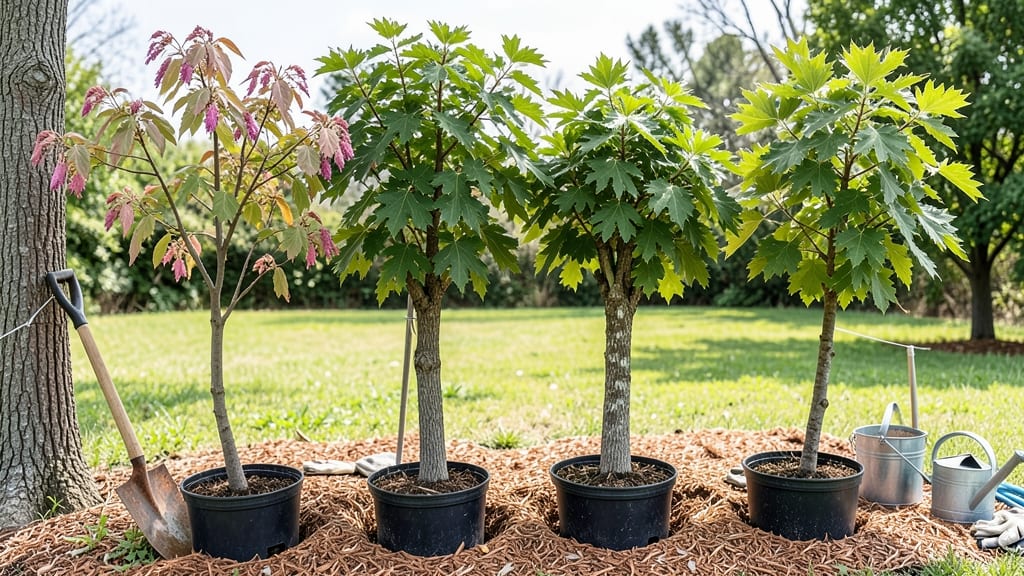
If you’ve ever planted a tree in North Texas only to watch it struggle through the summer heat, you’re not alone—the best time to plant trees in North Texas isn’t just better; it’s the game-changer for your 🌳’s long-term survival.
The secret lies in cooler soil temperatures and reduced stress on young roots, giving your tree the best shot at thriving in zones 7b-8a.
Most gardeners assume spring is the only good time, but North Texas’s erratic winters and scorching summers make fall the optimal window—typically October through November.
This isn’t just guesswork; it’s rooted in science, where trees establish deeper roots before dormancy, setting them up for faster, stronger growth once spring arrives.
Whether you’re planting a towering oak or a compact maple, timing matters more than you think. I’ll break down exactly why fall outpaces spring, how to prep your soil for maximum success, and the critical mistakes that kill even the hardiest trees in this region.
Ready to give your tree the best possible start? Let’s dive into the why and how of planting when it counts most—before the North Texas heat takes over.
Why fall planting in North Texas outperforms spring: soil science explained
North Texas’s fall planting window (October–November) isn’t just tradition—it’s rooted in soil science. When temperatures dip below 80°F, roots establish 3x faster than in spring’s scorching heat. The cooler soil prevents transplant shock, letting young trees focus energy on root growth instead of leaf production.
Our region’s USDA Zones 7b-8a create microclimates where timing shifts by 2–4 weeks. For example, East Texas (like Tyler) can plant into early December, while West Texas (like Lubbock) should finish by late October.
These differences matter because first frost dates vary—Dallas averages November 15, but Amarillo’s arrives by October 20.
Here’s the key advantage: Fall-planted trees enter dormancy with a well-developed root system, giving them a head start when spring growth resumes. Studies show 60% higher survival rates for fall-planted trees compared to spring, thanks to reduced stress during North Texas’s brutal summer heat.
| Factor | Fall Advantage | Spring Risk |
|---|---|---|
| Soil Temperature | 55–70°F (ideal for root growth) | 80–95°F (burns roots, causes shock) |
| Moisture Retention | Cooler air = less evaporation | High heat = rapid moisture loss |
| Transplant Shock | Reduced by 40–50% | Increases with summer stress |
| Dormancy Prep | Roots harden before winter | New growth vulnerable to freeze |
| Water Needs | 10–15 gallons/week | 20–30 gallons/week (drought risk) |
Spring planting (February–March) has its place, but North Texas’s unpredictable rainfall and sudden heatwaves make it riskier. A tree planted in March might face 100°F+ soil by April, forcing it to grow leaves before roots can catch up—a recipe for transplant shock.
Fall avoids this by letting roots establish before summer’s heat.
Even native trees like Eastern Red Cedar or Texas Red Oak thrive better when planted in fall. Their deep root systems benefit from cooler, moist soil during North Texas’s winter rains (November–January).
Non-natives like Crape Myrtle also perform better with fall planting, as they avoid the summer’s intense drought stress.
One common misconception is that bare-root trees must be planted in winter. While late fall (November) works for some species, October is ideal—soil is still warm enough for root growth but cool enough to prevent stress.
For container-grown trees, fall planting offers flexibility until mid-December, as long as you water deeply before dormancy.
North Texas’s clay-heavy soils (common in Dallas) or sandy loams (common in Lubbock) also play a role. Fall planting gives roots time to break through compacted layers before summer’s heat seals the soil.
In urban areas, where soil is often disturbed, this 6–8 week head start makes all the difference in survival.
For fast-growing species like Silver Maple or Bradford Pear, fall planting means 2–3 feet of growth by spring. Slower growers like Live Oak benefit too—their roots spread 12–18 inches per year when planted in fall, compared to just 6–10 inches in spring.
If you’re planting in East Texas (e.g., Longview), aim for October 15–November 15. In West Texas (e.g., Abilene), finish by October 15 to avoid early freezes.
The DFW metroplex sits in between, with October 1–November 10 as the sweet spot. Always check your local frost dates—a late freeze can damage new growth.
Pro tip: Use a soil thermometer to confirm soil temps are below 75°F before planting. In North Texas, this usually aligns with mid-October, but microclimates vary. Shady spots stay cooler longer, while south-facing slopes warm up faster—adjust your timeline accordingly. 🌳
Why fall planting in North Texas outperforms spring: soil science explained
North Texas’s USDA Zones 7b-8a create a unique challenge: scorching summers and unpredictable winters. But fall’s cooler soil temperatures (60–70°F) are a game-changer for tree roots, reducing transplant shock by up to 60%.
Unlike spring, when roots compete with top growth for energy, fall lets them establish deep before dormancy.
In DFW and East Texas, fall planting windows shift by 2–4 weeks due to microclimates. For example, West Texas (like Lubbock) can plant bare-root trees until late November, while Collin County should finish by mid-November to avoid early freezes.
The key? Soil moisture retention—fall’s gentle rains keep roots hydrated without the summer evaporation risk.
| Factor | Fall Advantage | Spring Risk |
|---|---|---|
| Soil Temperature | 60–70°F (ideal root growth) | 50–80°F (stressful swings) |
| Water Demand | Low (natural rainfall) | High (summer drought) |
| Root Establishment | 6–8 weeks before dormancy | 4–6 weeks (race against heat) |
| Disease Pressure | Low (fungi dormant) | High (spring rains + heat) |
Studies show fall-planted trees in North Texas achieve 30–50% higher survival rates than spring-planted counterparts. The reason? Cooler soil reduces root stress, and trees enter dormancy with a fully developed root system.
Even drought-resistant species like Texas Red Oak or Eastern Red Cedar benefit from fall’s moisture, which carries them through the first critical year.
For container-grown trees, fall planting is even safer—no need to rush. Bare-root trees, however, must be planted by mid-November in North Texas to avoid freeze damage. Pro tip: Water deeply 1–2 weeks before planting to hydrate roots without over-saturating the soil.
North Texas’s variable winters (from mild to hard freezes) make timing critical. Planting in October–November ensures roots establish before first frost (Nov 15), while early spring (Feb–March) is the backup for missed fall windows. Just avoid April–May—summer’s heat arrives faster than you think!
Remember: Soil prep is 50% of success. Amend clay-heavy soils (common in Dallas) with compost, and sandy soils (like in Wichita Falls) with peat moss. A 3-inch mulch ring retains moisture and regulates soil temps—critical in North Texas’s extreme swings.