
Plants
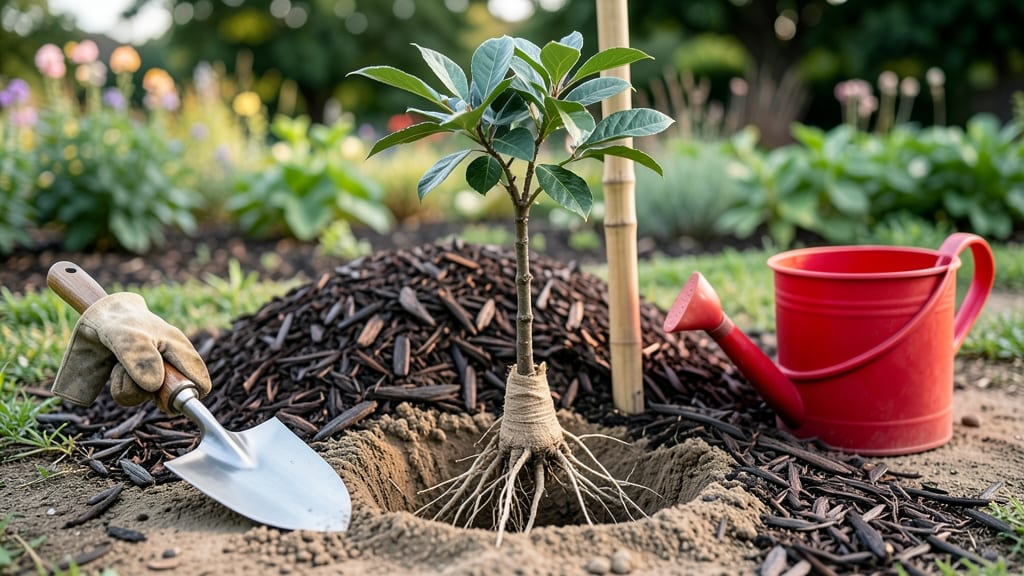
Timing your crape myrtle planting in Zone 9 can make all the difference between a showstopping summer display of 🌸 blooms and a struggling shrub. The wrong window means risking frost damage or missing the sweet spot for root establishment—both of which can set your tree back for years.
If you're in Zone 9b, like much of Southern California or Arizona, the ideal planting window opens in late winter—specifically between February and March. This gives roots time to establish before summer heat kicks in, ensuring your crape myrtle thrives from day one.
But here's the catch: planting too early can expose tender roots to lingering frost, while waiting too long might delay the vibrant blooms you're dreaming of.
What makes this even trickier is that Zone 9's microclimates vary wildly—from coastal areas with milder winters to inland zones where temperatures can still dip unexpectedly.
The key is planting when soil temperatures hit at least 60°F, which typically aligns with late February to early March for most of the region. This timing ensures your crape myrtle gets the head start it needs to handle Zone 9's intense summer heat.
In this guide, I'll break down the exact planting window, soil prep tips tailored to your climate, and how to choose the right variety for your specific Zone 9 conditions.
Let's get your crape myrtle off to the best possible start—because once those blooms appear, you'll be glad you timed it just right.
Best months to plant crape myrtle in Zone 9 for optimal growth
Timing your crape myrtle planting in Zone 9 is all about avoiding late frosts while giving roots time to establish before summer heat. The ideal window spans from late February to early April, when soil temperatures hit 60°F+ and frost risk fades.
This ensures your tree blooms vibrantly by summer—no missed seasons here!
Zone 9’s microclimates (like Southern California’s coastal areas vs. Arizona’s desert valleys) can shift this window by 2-4 weeks. For example, Phoenix gardeners can plant as early as mid-February, while Florida’s panhandle may wait until late March for safety. Always check your local last frost date!
Here’s the science behind the timing: Crape myrtles need 6-8 weeks to root before summer’s 100°F+ heat arrives. Planting in March gives roots a head start, while April plantings still thrive if watered deeply. Avoid May—it’s too late for root establishment before peak heat.
Pro tip: Use a soil thermometer to confirm 60°F+ soil temps before planting. Cold soil slows root growth, leaving your tree stressed. In Zone 9b, this usually aligns with mid-to-late March, but urban heat islands (like Los Angeles) may warm up faster.
| Planting Stage | Zone 9 Timeline | Key Consideration |
|---|---|---|
| Early Window | Late February - Early March | Risk of light frost; best for coastal areas |
| Ideal Window | March 15 - April 15 | Soil at 60°F+; minimal frost risk |
| Late Window | May (high risk) | Establishment struggles in summer heat; avoid |
| Soil Prep | 4-6 weeks before planting | Amend with compost; ensure drainage |
| Post-Planting Care | First 3 months | Deep watering 2x/week; mulch heavily |
Did you know? Crape myrtles planted in Zone 9 during the ideal window can reach 10 feet tall in just 3 years with proper care. The secret? Their roots thrive in warm soil, and spring’s moderate temperatures reduce transplant shock. Skip the rush—wait for March for the best results!
For urban gardeners, container planting extends the window slightly. Potted crape myrtles can go in as late as April 30 if you’re using 5-gallon+ pots with heat-resistant fabric to protect roots. Just remember: containers dry out faster, so daily watering is a must in Zone 9’s summer.
Watch for heat stress signs like curled leaves or dropped buds after planting. These mean your tree’s struggling to adapt. Increase mulch depth to 3-4 inches and water deeply every 3 days until roots establish. Patience pays off—healthy roots = more blooms next summer!
Local variations matter! In Tucson, AZ, aim for March 1-15 to avoid 110°F+ summers. In Miami, FL, February 20-March 10 works best. Always adjust for your specific microclimate—shady spots stay cooler, while sunny areas warm up faster.
Final tip: Mark your planting date on a calendar and set a reminder for 6 weeks later to check root growth. If roots haven’t spread 6+ inches from the container, your tree may need extra water or shade cloth during heatwaves. Happy planting—your future summer blooms depend on it! 🌸
Best months to plant crape myrtle in Zone 9 for optimal growth
Timing your crape myrtle planting in Zone 9 is all about balancing soil warmth and frost risk. Unlike cooler zones, Zone 9’s mild winters mean you can plant earlier without frost damage.
However, rushing too soon can leave roots vulnerable to unpredictable cold snaps, especially in areas like Southern California or Arizona’s high deserts. The sweet spot? Late February to early April, when soil temperatures consistently stay above 60°F.
Crape myrtles thrive when planted during their dormant-to-active transition, giving roots time to establish before summer’s intense heat. In Zone 9b, where frost is rare, you can even push planting to early May for container-grown trees—but bare-root varieties need that February-March window.
Local microclimates matter: Coastal areas like San Diego may plant 2-3 weeks earlier than inland Phoenix, where heat arrives sooner.
| Planting Window | Soil Temp | Frost Risk | Best For |
|---|---|---|---|
| Late February | 55-60°F | Low (coastal) | Bare-root trees |
| March-April | 60-70°F | None | Container-grown |
| Early May | 70°F+ | None | Established roots |
For peak blooms, aim to plant by mid-April. Trees planted in May or June may struggle to establish roots before summer’s 100°F+ heat, leading to stunted growth. Pro tip: Check local frost dates—even Zone 9 can see light freezes in January.
If you’re in Florida’s panhandle, where humidity spikes, plant earlier (February) to avoid fungal risks during the wet season.
Container-grown crape myrtles offer flexibility: You can plant them year-round in Zone 9, but spring planting (March-April) ensures they bloom by summer. Avoid planting in fall—the tree’s growth slows, and roots won’t harden off before winter.
If you miss the spring window, late summer (August) is a backup, but expect slower establishment before the next growing season.
One common mistake? Planting too deep or burying the graft union (if using a grafted variety). In Zone 9’s fast-draining soils, ensure the hole is twice as wide as the root ball but only as deep.
Amend native soil with compost to improve moisture retention—critical for the first 30-60 days post-planting when roots are vulnerable to heat stress.
Monitor your tree’s progress: New growth should appear within 4-6 weeks of planting. If leaves yellow or wilt, it’s a sign of overwatering or poor drainage. In Zone 9’s dry spells, deep watering once weekly (2-3 gallons per tree) is better than frequent shallow watering.
Mulch with 3 inches of wood chips to retain moisture and protect roots from extreme heat.