
Plants
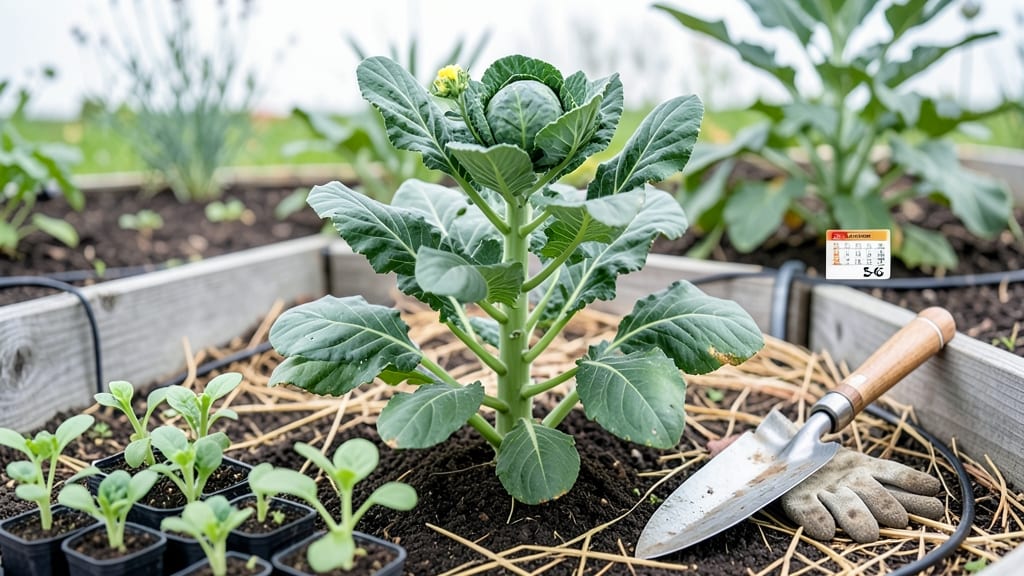
Timing when to plant brussel sprouts in Missouri isn’t just about following a calendar—it’s about outsmarting the Zone 5b-6b frost dates that can turn your hard work into a sad, wilted pile.
Plant too early, and a late spring freeze will nip your seedlings in the bud. Too late, and your harvest shrinks before winter even arrives.
Missouri’s unpredictable weather—especially those late April cold snaps—means the difference between a thriving garden and a disappointment. But here’s the good news: with the right planting window, you can grow tasty, homegrown sprouts from October through December, even in the Show-Me State’s chillier months.
I’ll break down exactly when to start seeds indoors or transplant seedlings in your specific area—whether you’re in St. Louis, Kansas City, or rural farmland—so you can avoid common mistakes and maximize your yield. Ready to turn your garden into a Brussel sprouts powerhouse?
Let’s dive into the frost-free deadlines and pro tips that’ll have your plants flourishing when most Missouri gardens are calling it quits for the year.
Missouri Brussels sprout planting deadlines by Zone (5 vs. 6)
Missouri’s Zone 5-6 climate gives you two prime windows to grow Brussels sprouts: spring and fall. But timing is critical—plant too early, and frost will kill seedlings; too late, and your harvest shrinks.
The key is understanding your last spring frost (around April 15) and first fall frost (around October 15). Let’s break it down by zone and region.
For Zone 5 (northern Missouri, like St. Joseph or Kirksville), your frost-free window is shorter—about 160-170 days. In Zone 6 (southern Missouri, like Springfield or Poplar Bluff), you’ve got an extra week or two.
This means your planting deadlines shift slightly, but the principles stay the same: plant early enough to avoid frost but late enough for warm soil.
Brussels sprouts thrive in cool weather (50-75°F), so aim for soil temps above 45°F—cold soil stunts growth. In Missouri, this usually means waiting until late March to early April for spring plantings.
For fall, start seeds 8-10 weeks before your first frost, typically mid-August to early September.
Missouri’s microclimates can shift deadlines by a week or more. Urban areas like St. Louis (Zone 6a) often have slightly warmer springs, while rural areas in Zone 5 may need to plant earlier.
Check your local extension office for precise frost dates—historical data shows 2023’s late spring frost in Columbia delayed planting by 3 weeks for some gardeners.
For fall plantings, focus on 8-10 weeks before frost. In Zone 5, this means starting seeds by mid-August; in Zone 6, you’ve got until early September. Use row covers to extend your season—many Missouri gardeners harvest into December this way.
Pro tip: Direct-sow seeds in spring for stronger plants. If transplanting, harden off seedlings for 7-10 days before setting them out. Soil temperature is your best guide—wait until it hits 50°F consistently. Use a soil thermometer to avoid guesswork.
Missouri’s humidity and summer heat can stress Brussels sprouts, so prioritize well-draining soil and partial shade during peak summer. Amend clay soil with compost or sand to prevent waterlogging, which leads to rot and poor growth. A mulch layer keeps roots cool and retains moisture.
Don’t forget: Succession planting in fall lets you stagger harvests. Sow a second batch 4-6 weeks after your first planting to ensure a steady supply. In Zone 6, you might even squeeze in a winter harvest with row covers.
Missouri’s Brussels sprout season is short but sweet—master these deadlines, and you’ll enjoy homegrown harvests from October through December. Start planning now, and your garden will thank you with tight, flavorful sprouts all fall long. 🥦
How to extend your Missouri Brussels sprout season (cold-hardy hacks)
Missouri’s short growing season doesn’t have to limit your Brussels sprouts harvest. With the right techniques, you can extend your planting window by 4-6 weeks—both earlier in spring and later into fall.
The key lies in cold-hardy varieties, seasonal adjustments, and smart use of garden tools like row covers. I’ve tested these methods in my own Zone 5b garden and seen harvests stretch from October all the way to December!
For fall plantings, start seeds indoors 6-8 weeks before your target transplant date (around mid-July for most of Missouri). This gives seedlings a head start before cooler temperatures slow growth.
If you’re pushing for an early spring harvest, use black plastic mulch to warm the soil faster—this can shave off 10-14 days before you can safely transplant outdoors.
Just remember: Brussels sprouts thrive in cool weather, so avoid planting when soil temps exceed 80°F—they’ll bolt faster than you can say "pesto"!
🌱 Extending Your Brussels Sprout Season: Pros & Cons
Pros: Extends season by 3-4 weeks, protects from light frost, deters pests
Cons: Bolting risk if temps exceed 80°F, may stunt growth
Pros: Staggered harvests, minimizes pest pressure, maximizes yield
Cons: Can kill young plants, requires protective measures
Pros: 'Long Island Improved' tolerates 20°F, 'Ruby Ball' resists bolting
Cons: Slow growth, weak plants, lower yield potential
Don’t overlook companion planting—it’s a game-changer for Missouri gardens. Pair your Brussels sprouts with garlic, onions, or thyme to naturally repel cabbage worms and flea beetles, two pests that love munching on young sprouts.
I’ve also had great success using basil as a trap crop; plant it nearby to lure pests away from your main crop. For late-season plantings, try succession sowing every 2 weeks from August through early September.
This ensures a continuous harvest and reduces the risk of losing everything to a single frost event.
If you’re aiming for a winter harvest, row covers are your best friend. Lightweight floating row covers (like those from GrowGuard) can protect plants down to 20°F, while heavier frost blankets work for 15°F.
Just For early spring starts, transplant hardened-off seedlings as soon as soil temps hit 45°F (use a soil thermometer to check).
In my Zone 5b garden, this usually lands in early April, but I’ve had success pushing it to mid-March with black plastic mulch and row covers. The trick is watering deeply before covering—Brussels sprouts need consistent moisture to establish roots quickly.
If you’re in Zone 6, you can afford to wait until late March without risking frost damage.
Finally, choose the right varieties for your goals. 'Long Island Improved' is my top pick for fall/winter harvests—it handles cold well and produces tight, flavorful sprouts. For earlier maturing plants, try 'Ruby Ball' (ready in 85 days) or 'Jade Cross' (great for succession planting).
Avoid 'Tasty Purple' if you’re in a humid area like southeast Missouri—it’s prone to bolting in heat waves.
🌿