
Plants
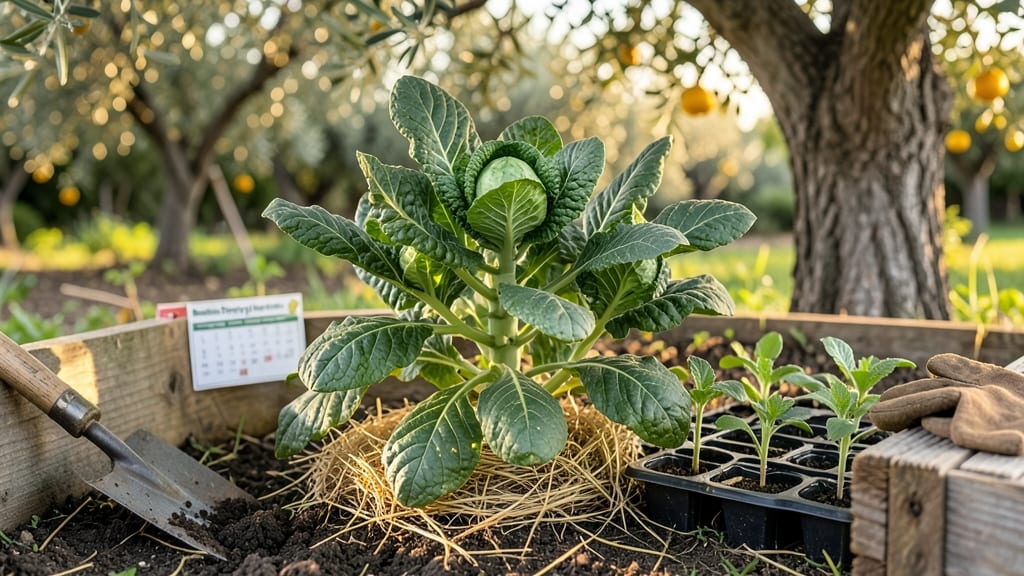
Planting Brussel sprouts 🥦 in Southern California might seem tricky—after all, your neighbors in colder zones plant them in early summer, but our 9b-10a climate demands a totally different approach. Skip the wrong timing, and you’ll end up with bitter, stunted sprouts instead of the sweet, flavorful harvest you crave.
Here’s the secret: the perfect window for planting these cool-weather veggies in SoCal isn’t what you’d expect. Whether you’re in coastal areas like San Diego or inland spots near Riverside, timing matters more than you think—especially since frost is rare but can still sneak in by mid-December.
Let’s break down the exact months to plant for a bountiful harvest in December-January (or May-June if you’re planting in winter).
You might assume late summer is the way to go, but that’s a recipe for stressing your plants in SoCal’s heat. Instead, we’re talking September-October for fall planting—or February-March if you’re aiming for a spring harvest.
I’ll show you how to adjust for microclimates, whether you’re battling urban heat islands or cooler coastal breezes, so your 🥦 thrive year-round.
Ready to skip the guesswork? Stick around—I’ll walk you through soil prep, spacing tricks, and even how to tweak your schedule if you’re in a frost-prone inland pocket. Your future harvest (and taste buds) will thank you.
Southern California Brussel sprout planting calendar: coastal vs inland timelines
Southern California’s diverse climate means your Brussel sprouts planting schedule should vary dramatically between coastal and inland areas. Coastal regions like San Diego and Santa Barbara enjoy milder winters, while inland zones like the San Fernando Valley or Riverside face occasional frost by December.
Timing is critical—plant too early, and your sprouts bolt; too late, and they struggle to mature before summer heat.
For coastal gardeners, the ideal window is late August through early October, giving plants time to establish roots before winter rains. Inland areas should aim for mid-September to mid-October to avoid potential frost.
Both regions can also plant a winter crop in February-March for a spring harvest, but this requires careful monitoring of soil temperatures.
Here’s how to align your planting with Southern California’s unique microclimates:
| Region | Coastal (USDA 9b-10a) | Inland (USDA 9b-10a) |
|---|---|---|
| Fall Planting Window | Late August – Early October | Mid-September – Mid-October |
| Winter Planting Window | February – Early March | Late February – Mid-March |
| Transplant Age | 4-6 weeks old | 4-6 weeks old |
| Spacing | 18-24 inches apart | 20-24 inches apart |
| Harvest Window | December – January | January – February |
| Key Risk | Summer heat stress | Late frost (after Dec 15) |
Coastal areas benefit from longer growing seasons due to ocean breezes that moderate temperatures. In San Diego, for example, you can even push planting to early November if using row covers to protect against rare cold snaps.
Inland regions, however, must prioritize soil warmth—wait until soil temperatures drop below 75°F to prevent bolting.
For both regions, soil preparation is key. Amend your garden beds with compost and a balanced fertilizer (10-10-10) to ensure nutrient-rich soil. Coastal gardeners should also test for salt tolerance if near ocean spray, as Brussel sprouts are sensitive to salinity.
Inland soils may need extra organic matter to retain moisture during dry spells.
If you’re in a transition zone (e.g., Pasadena or Orange County), err on the side of earlier planting—these areas can experience sudden temperature drops. Start seeds indoors in late July for a September transplant, giving your plants a head start before cooler weather arrives.
Remember: Brussel sprouts need 90-120 days to mature. Planting in late September ensures harvests align with Southern California’s cooler months, when flavors peak. Avoid summer planting—heat above 80°F causes bitter, woody sprouts.
Pro tip: Use shade cloth (30-50%) in late spring if you’re experimenting with early summer plantings. This trick can buy you an extra 4-6 weeks of viable growth before bolting sets in.
🌱
Southern California Brussel sprout planting calendar: coastal vs inland timelines
Southern California’s 9b-10a climate gives you two prime windows to plant Brussel sprouts 🥦: September-October for fall harvests and February-March for spring.
But here’s the catch—coastal areas like San Diego and Santa Barbara can plant slightly later than inland zones like Riverside or the San Fernando Valley, where rare frost can sneak in by mid-December.
For coastal regions, aim to transplant seedlings by late September to avoid summer heat stress. Inland areas should start 4-6 weeks earlier (early September) to account for warmer microclimates. This timing ensures your plants mature before temperatures dip below 50°F at night, which can stunt growth.
| Region | Ideal Planting Window | Transplant Dates | Harvest Window | Key Consideration |
|---|---|---|---|---|
| Coastal (San Diego, LA) | September 15 - October 15 | Late Sept - Early Oct | December - January | Cooler nights, less frost risk |
| Inland (Riverside, San Fernando Valley) | August 20 - September 15 | Early Sept - Mid-Sept | November - December | Warmer microclimates; plant earlier |
| Coastal (Winter Planting) | February 15 - March 15 | Late Feb - Early March | May - June | Avoid spring heat; use shade |
| Inland (Winter Planting) | January 20 - February 10 | Early Feb - Mid-Feb | April - May | Plant earlier to escape heat |
If you’re planting seeds directly (not seedlings), add 4-6 weeks to these dates. For example, coastal gardeners should start seeds indoors by mid-August for a fall harvest. Pro tip: use black plastic mulch in inland areas to warm the soil and extend your planting window by 2-3 weeks.
For spring harvests, February-March planting works best in coastal areas, while inland gardeners should start by January 20 to avoid the late-spring heat that can stress young plants.
If you’re in a valley or urban heat island, consider using shade cloth (30-50%) during the hottest months to protect your sprouts.
Remember: Brussel sprouts need 80-120 days to mature. If you plant too late, your harvest will stretch into summer, when the heat and humidity can make the sprouts bitter. Aim to have them ready to harvest by mid-December for fall planting or late May for spring planting.
Now that you’ve got your timeline locked in, let’s talk about how to tweak these dates for your specific microclimate—because not all of SoCal is created equal! 🌱