
Plants
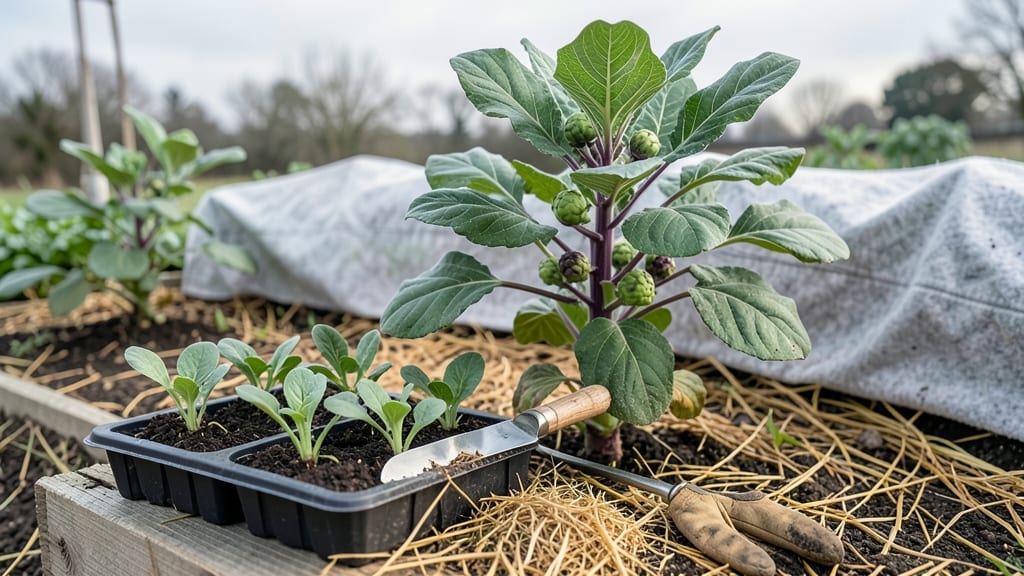
Timing your Brussel sprouts 🥦 planting in Wisconsin can mean the difference between a thriving harvest and a disappointing flop—especially in Zone 5’s fickle climate.
Most gardeners assume fall is the only option, but spring planting actually works too—if you follow the right schedule. The key is avoiding those late spring frosts that can stall growth or early fall freezes that ruin your crop.
I’ll walk you through the exact windows for both spring and fall planting, plus how to adjust for Wisconsin’s regional quirks like southern warmth vs. northern chill.
Whether you’re a first-time gardener or a seasoned pro, these tips will help you maximize your yield and enjoy homegrown 🥦 from October through November.
Best planting windows for Brussel sprouts in Wisconsin’s Zone 5 climate
Wisconsin’s Zone 5 climate offers two prime windows for planting Brussel sprouts: early spring and late summer. Each season brings unique challenges, from late spring frosts to early fall freezes.
Understanding these windows ensures your plants mature before the first hard frost, typically around mid-October in most regions. Let’s break down the ideal timing for both approaches.
For spring planting, aim to sow seeds or transplant seedlings 4-6 weeks after the last frost date. In Wisconsin, this usually falls between mid-April and early June. This timing allows plants to establish roots before summer heat stresses them.
However, spring-planted sprouts often bolt (go to seed) before producing harvestable sprouts, making fall planting the preferred method for most gardeners.
Fall planting is the gold standard for Wisconsin. Start seeds 7-8 weeks before the first frost, typically between July and early August. This schedule ensures plants mature in 85-120 days, delivering a harvest just before winter sets in.
Fall-planted sprouts also develop sweeter flavors due to cooler temperatures.
| Planting Window | Best Months | Days to Maturity | Key Consideration |
|---|---|---|---|
| Spring Planting | Mid-April to early June | 90-120 days | Risk of bolting in summer heat |
| Fall Planting | July to early August | 85-100 days | Optimal for sweetest flavor |
| Transplanting | Late May to early July | 90-120 days | Faster establishment than seeds |
If you prefer transplanting over direct seeding, purchase healthy seedlings from a local nursery in late May to early July. Transplants give you a head start and reduce the risk of seedling diseases common in Wisconsin’s damp springs.
However, ensure seedlings are hardened off before moving them outdoors to avoid transplant shock.
Soil temperature is another critical factor. Brussel sprouts thrive when soil is between 45°F and 85°F. Use a soil thermometer to monitor conditions—cool soil in spring or fall is ideal, while summer heat can stunt growth. If your soil runs hot, consider shade cloth or mulching to regulate temperatures.
For gardeners in southern Wisconsin, where summers are warmer, focus on fall planting to avoid heat stress. In northern regions, like the Lake Superior area, extend the season with row covers or plant slightly earlier to account for shorter growing seasons.
Always check your local USDA frost dates for precise timing.
Pro tip: Mark your calendar for July 15th as a target for fall planting in most of Wisconsin. This date gives your plants enough time to mature before the first frost, even in cooler microclimates. Adjust by a week or two based on your specific location’s frost history.
Remember, Brussel sprouts are a cool-season crop, so they’ll perform best when temperatures drop in autumn. The cooler the weather, the sweeter and more tender the sprouts become. Plan accordingly to make the most of Wisconsin’s crisp fall air! 🌱🍂
Best planting windows for Brussel sprouts in Wisconsin’s Zone 5 climate
Wisconsin’s Zone 5 climate offers two prime windows for planting Brussel sprouts: early spring and mid-summer. The key is avoiding heat stress and early bolting, which can ruin your harvest.
Spring plantings should happen 4-6 weeks after your last frost date (typically mid-April to early June), while fall plantings thrive when seeded July to early August for an autumn harvest.
For direct seeding, aim for soil temperatures between 45°F and 85°F. In Wisconsin, this usually means waiting until late April or May for spring plantings.
If you prefer transplants, start seeds indoors 6-8 weeks before your target outdoor date to give them a head start against cool Wisconsin nights.
🌱 Pro Tip: Use a row cover or cold frame to extend your growing season by 2-3 weeks in early spring or late fall. This helps protect young plants from unpredictable Wisconsin frosts.
| Planting Window | Best Method | Soil Temp | Frost Risk |
|---|---|---|---|
| Mid-April to early June | Direct seed or transplant | 45°F–65°F | Low (post-last frost) |
| July to early August | Direct seed only | 60°F–85°F | Moderate (fall frosts) |
| Late August (succession) | Direct seed only | 55°F–75°F | High (early frost risk) |
In southern Wisconsin (e.g., Madison, Milwaukee), you can push spring plantings slightly earlier, while northern areas (e.g., Green Bay, Eau Claire) may need to wait until late May. Always check your local frost dates—Wisconsin’s first frost can arrive as early as mid-October, so plan accordingly for fall harvests.
For extended harvests, try succession planting in late July or early August. Space seeds 2-3 weeks apart to stagger maturity and ensure a steady supply of fresh sprouts through October. This works especially well in container gardens or raised beds where you can control spacing better.
Remember, Brussel sprouts need consistent moisture and well-draining soil. In Wisconsin’s clay-heavy soils, amend with compost or sand to prevent waterlogging, which can lead to root rot. A pH of 6.0–7.0 is ideal for optimal nutrient uptake.
🌿 Key Takeaway: Plant Brussel sprouts in Wisconsin between mid-April to early June or July to early August for the best results. Use row covers in spring/fall and succession plant for continuous harvests—this is how you beat Wisconsin’s unpredictable weather!