
Plants
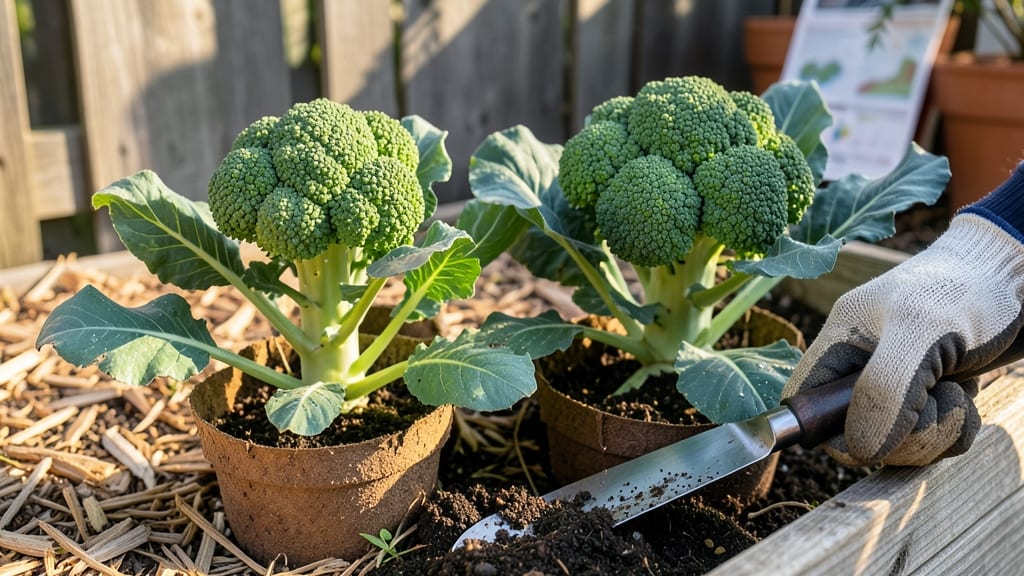
Timing your broccoli planting in South Carolina wrong could mean wasted effort—or worse, a harvest that never comes.
Between the heat of summer and the unpredictability of coastal vs. Piedmont frost dates, getting those seeds in the ground at the right moment is the difference between a thriving garden and a disappointing flop.
Here’s the thing: broccoli 🥦 hates two things—sweltering heat and early cold snaps. In zones 7b-8a, that means your window for planting is narrow but critical. Miss it, and you’re either fighting bolting (when plants flower too soon) or watching frost turn your heads into mush before they mature.
What if I told you there’s a foolproof way to nail those deadlines every time?
Whether you’re a first-time gardener or a seasoned grower, I’ll break down exactly when to start seeds indoors, when to transplant seedlings, and how to adjust for your specific corner of South Carolina—so you can enjoy crisp, homegrown broccoli from May through November.
Let’s get your garden on track for a harvest that’ll make your neighbors jealous—and your dinner plate happy.
South Carolina broccoli planting calendar by hardiness zone (8a vs 8b)
South Carolina’s USDA Zones 8a and 8b create distinct windows for broccoli success—zone 8a (cooler inland areas) has earlier frost dates than zone 8b (coastal warmth). Mastering these timelines prevents premature bolting in summer heat or frost damage in winter.
Let’s break down the exact months for spring and fall planting tailored to your zone.
For spring broccoli, aim to plant 4-6 weeks before your last frost date—typically late February to early March in zone 8a and early to mid-March in zone 8b. Fall plantings should start 8-10 weeks before first frost, landing in late July to early August for both zones.
These windows ensure 60-80 days of growth before harvest.
Soil temperature is critical: broccoli seeds need 40-50°F soil temps to germinate. Use a soil thermometer to confirm readiness—especially in zone 8a’s cooler mornings. In zone 8b, watch for heat stress after 90°F days, which triggers bolting. Adjust planting dates 2-3 weeks later if summer heat arrives early.
🌱
| Zone | Planting Window | Ideal Soil Temp | Frost Risk | Harvest Window |
|---|---|---|---|---|
| Zone 8a (Inland) | Late Feb - Early Mar (Spring) Late Jul - Early Aug (Fall) |
40-50°F | Last frost: Mar 15 First frost: Nov 15 |
May - June (Spring) Oct - Nov (Fall) |
| Zone 8b (Coastal) | Early - Mid Mar (Spring) Late Jul - Early Aug (Fall) |
45-55°F | Last frost: Mar 22 First frost: Nov 22 |
May - June (Spring) Oct - Nov (Fall) |
⚠️ Note: Adjust dates 1-2 weeks earlier for high-altitude areas (e.g., Upstate SC).
Zone 8a gardeners should prioritize fall plantings—spring broccoli often faces heat stress by May. Start seeds indoors 6-8 weeks before outdoor transplanting (late January) to extend your growing season. For zone 8b, succession planting every 2 weeks from July to August ensures continuous harvests through November.
Use shade cloth (30-50%) for summer plantings in both zones to keep soil temps below 85°F. Remove cloth once heads form to maximize sunlight for head development. In zone 8a, add row covers in late October to protect fall crops from early frosts.
💧
After transplanting, maintain 1-1.5 inches of water weekly, focusing on deep watering at soil level—not overhead—to prevent fungal diseases like downy mildew, common in SC’s humidity.
Mulch with straw or pine needles to retain moisture and regulate soil temps. In zone 8b, reduce watering slightly in late summer to harden off plants before harvest.
For container growing, use 5-gallon pots and plant 2-3 weeks later than ground plantings—containers heat up faster. Place pots in partial shade during 100°F+ days to delay bolting. Coastal gardeners in zone 8b can push fall plantings to early September with row covers for extended harvests.
🌡️
Monitor 7-day forecasts for sudden temperature drops. If frost threatens, cover plants with frost blankets or old blankets secured with bricks. Broccoli can tolerate 28°F for short periods, but heads will turn bitter if exposed to below 25°F.
In zone 8a, harvest before first frost—even if heads aren’t fully mature—to avoid quality loss.
Pro tip: Plant heat-tolerant varieties like 'Waltham 29' or 'De Cicco' for summer success. These varieties handle 90°F+ temps better than standard types, giving you 2-3 weeks of extra harvest time in zone 8b’s coastal heat. Pair them with dill or marigolds to deter pests like cabbage worms.
How to adjust planting times for zero-bolt broccoli in SC’s heat
If you’ve ever planted broccoli in South Carolina only to watch it bolt—sending up bitter flower stalks before you could harvest a single head—you’re not alone. The heat and humidity here push broccoli to flower prematurely, especially in zones 8a and 8b.
But with the right adjustments, you can trick your plants into staying cool, growing strong, and producing tender, harvest-ready heads instead of bitter stalks.
The key is strategic timing, shade, and variety selection. Broccoli thrives in cooler temperatures (55–75°F), but SC’s summers often hit 90°F+, triggering bolting. By tweaking your planting schedule, you can avoid this pitfall and enjoy a longer harvest window from spring through fall.
Here’s how I’ve successfully grown broccoli in SC’s heat—without a single bolted plant to show for it. First, let’s tackle the three biggest bolting triggers and how to outsmart them.
Choose 'Waltham 29' or 'De Cicco'—these varieties handle warmer temps better than standard types. They also mature faster (50–60 days), so you can squeeze in two harvests per season.
If planting in late July or August, cover seedlings with 30–50% shade cloth to keep soil temps below 80°F. Remove cloth once heads form to encourage full sun for growth.
Succession planting ensures a steady harvest and spreads out the risk of bolting. For example, start one batch in late February, another in mid-March, and a final one in early August for fall crops.
Broccoli needs 1–1.5 inches of water weekly, but evening watering promotes fungal diseases. Water at 6–8 AM to let foliage dry before humidity spikes.
Another trick I swear by? Mulching with straw after transplanting. A 3-inch layer keeps soil cool and moist, reducing stress on young plants. Plus, it suppresses weeds, so you spend less time weeding and more time harvesting.
For fall plantings, aim to have broccoli mature before first frost (mid-November). If you’re in Zone 8a, start seeds indoors in early August and transplant by mid-August.
In Zone 8b, push it slightly later—late August for seeds, early September for transplanting—to avoid early heat stress.
Remember, broccoli is a cool-season crop, so think of summer as a short-term challenge, not a dealbreaker. With these adjustments, you’ll enjoy crisp, flavorful heads from May through November—no bolting in sight! 🥦