
Plants
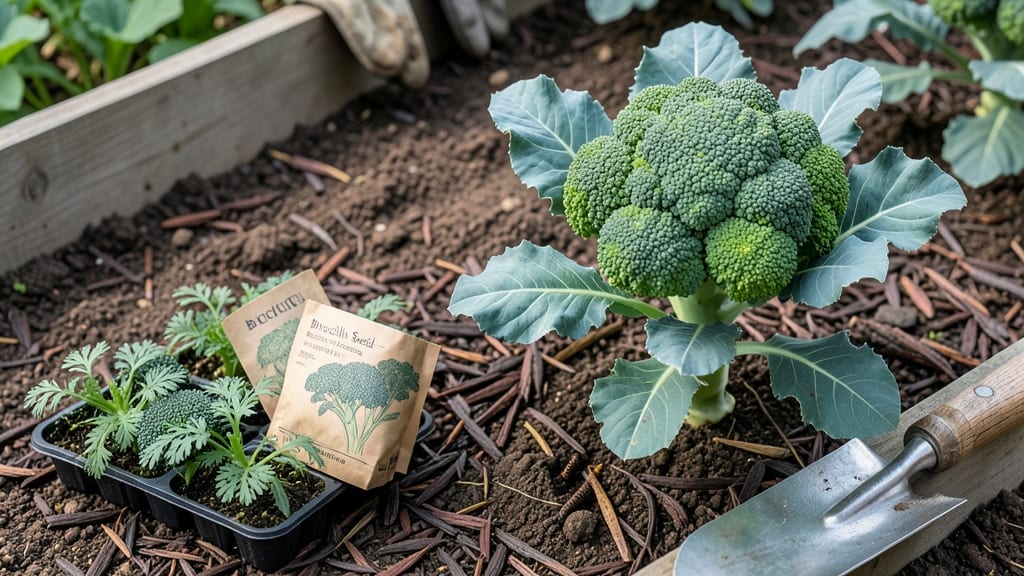
Timing your 🥦 broccoli planting in Illinois can make the difference between a bumper crop and wasted effort. If you plant too early, frost will nip your seedlings in the bud, while late planting risks bolting before harvest.
The secret lies in knowing your zone—whether you're in 5b or 6b—and working with Illinois' unpredictable spring and fall weather.
Most gardeners in Illinois get their best results by planting 🥦 broccoli in early spring (March-April) or late summer (August-September). This gives your plants enough time to mature before summer heat or winter frost ruins your harvest.
But here's the catch: northern Illinois (like Chicago) has a shorter growing season than southern Illinois (like St. Louis), so your exact timing matters.
I'll show you exactly when to start seeds indoors and when to transplant outdoors for both spring and fall crops. You'll also learn how to adjust for your specific location, whether you're dealing with late frosts or early heat waves.
Let's get your 🥦 broccoli growing on the right schedule for maximum success.
The key to zero-bolt broccoli starts with understanding your local frost dates and soil temperatures. With the right preparation, you can enjoy fresh, homegrown 🥦 broccoli from late spring through fall. Ready to transform your garden from guesswork to guaranteed harvests?
Best planting times for broccoli in Illinois by hardiness zone
Illinois spans USDA zones 5b-6b, meaning your exact 🥦 broccoli planting dates depend on whether you're in northern Chicago or southern St. Louis. The golden rule? Plant 4-6 weeks before your last frost date for spring crops and 90-120 days before first frost for fall harvests.
Northern Illinois (zone 5b) has a shorter season, while southern Illinois (zone 6b) enjoys 2-3 extra weeks.
For most of Illinois, aim for early March to mid-April for spring planting and late August to early September for fall. But check your local last frost date—Chicago's average is April 15, while St. Louis sees April 5.
Soil temperature matters too: 🥦 broccoli seeds need 40°F (4°C) minimum, while transplants thrive at 50°F (10°C).
Here's how to match your zone to perfect timing:
| Zone | Spring Planting Window | Fall Planting Window | Last Frost Date | First Frost Date |
|---|---|---|---|---|
| 5b (Northern IL) | March 15 - April 10 | August 15 - September 1 | April 15 | October 15 |
| 6a (Central IL) | March 1 - April 5 | August 10 - August 25 | April 5 | October 20 |
| 6b (Southern IL) | February 25 - March 25 | July 30 - August 15 | March 20 | October 25 |
For spring planting, start seeds indoors 6-8 weeks before last frost (so January 20-February 15 for zone 5b). Transplant outdoors when seedlings have 4-6 true leaves and soil is 50°F (10°C). Harden off seedlings for 7-10 days before moving them outside to prevent transplant shock.
Fall planting requires more precision. In zone 5b, aim for August 15-September 1 to harvest before frost. Southern Illinois gardeners can push it to September 15 for late fall crops. Use fast-maturing varieties like 'De Cicco' (58 days) or 'Packman' (60 days) to ensure harvests before winter sets in.
Pro tip: Soil temperature is your secret weapon. Use a soil thermometer—🥦 broccoli seeds won't germinate below 40°F (4°C). If your soil is too cold, wait until temperatures rise or use black plastic mulch to warm it faster. For fall crops, cool nights (50-60°F) help prevent bolting.
Remember: Northern Illinois gardeners should prioritize early spring and late summer plantings, while southern Illinois can squeeze in a third harvest by planting late July for a fall-winter crop. The key is matching your 🥦 broccoli variety to your zone's growing season length.
If you're unsure about your exact zone, check the USDA Plant Hardiness Zone Map or use your zip code in tools like Old Farmer's Almanac for localized frost dates. With this zone-specific timing, you'll avoid the two biggest 🥦 broccoli failures in Illinois: frost damage and heat-induced bolting.
Best planting times for broccoli in Illinois by hardiness zone
Illinois spans USDA zones 5b-6b, meaning your exact 🥦 broccoli planting window depends on whether you're in northern Chicago or southern St. Louis. The golden rule: plant 4-6 weeks before your last frost date for spring crops or 90-120 days before first frost for fall harvests.
Northern Illinois (zone 5b) has a shorter season, while southern Illinois (zone 6b) enjoys 2-3 extra weeks.
For spring planting, start seeds indoors in March (4-6 weeks before last frost) and transplant outdoors in April once soil reaches 40°F. Fall planting requires seeds indoors in August (90 days before first frost) and transplanting by September 1st to ensure maturity before winter.
Miss these windows, and you risk bolting or frost damage.
Here’s how your zone affects timing:
| Zone | Last Frost Date | Spring Planting Window | Fall Planting Window | Soil Temp for Transplant |
|---|---|---|---|---|
| 5b (Northern IL) | April 15 | Indoors: March 15 Outdoors: April 15 |
Indoors: August 1 Outdoors: September 1 |
40°F+ |
| 6a (Central IL) | April 1 | Indoors: March 1 Outdoors: April 1 |
Indoors: August 15 Outdoors: September 15 |
45°F+ |
| 6b (Southern IL) | March 25 | Indoors: February 25 Outdoors: March 25 |
Indoors: August 30 Outdoors: October 1 |
50°F+ |
Check your local 🌡️ frost dates using the Old Farmer’s Almanac or your county extension office. For example, Chicago (zone 5b) typically has its last frost around April 15, while St. Louis (zone 6b) sees frost-free soil by March 25.
Adjust your schedule accordingly—planting too early risks frost damage, while late planting may lead to bolting before harvest.
Pro tip: Use row covers or cold frames to extend your spring season by 2-3 weeks. This is especially helpful in northern Illinois where late frosts are common. For fall crops, prioritize heat-tolerant varieties like ‘Waltham 29’ or ‘Packman’ to withstand late-summer heat before cooler temps arrive.
Once you’ve nailed your planting window, focus on soil prep. Broccoli thrives in well-draining, slightly acidic soil (pH 6.0-7.0). Amend your garden bed with compost and a balanced fertilizer (10-10-10) 2 weeks before transplanting. This gives your plants the nutrients they need to bolt-proof their growth.