
Plants
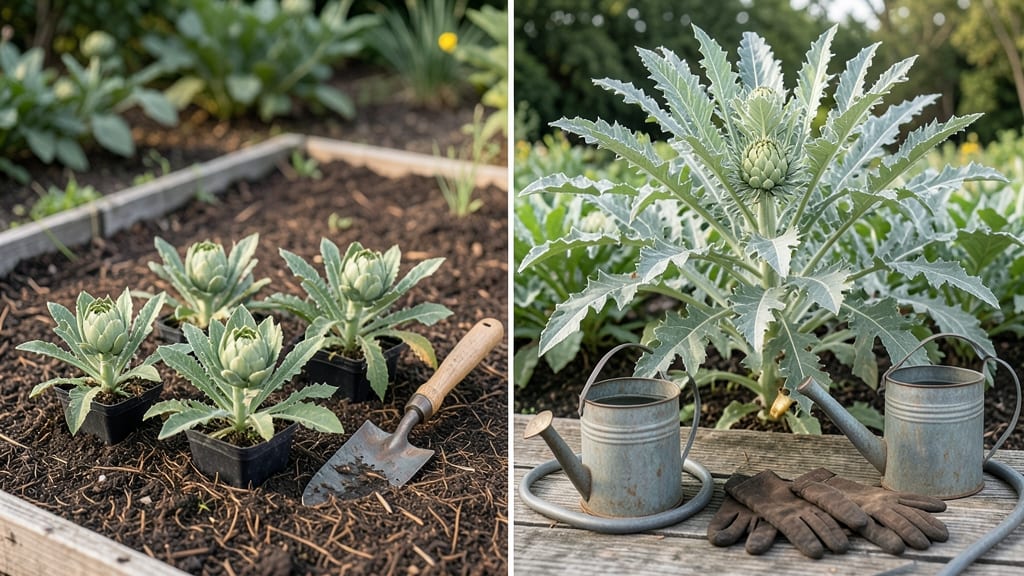
If you've ever dreamed of harvesting plump, tender artichokes right in your Texas garden, timing is the game-changer—and getting it wrong means watching your plants bolt or wilt before they even produce.
The key to success lies in those narrow frost-free windows between September and October for fall planting or February and March for spring, when Texas's 8a-10b zones finally cooperate.
Here's the truth: Artichokes hate heat and frost alike, and Texas's unpredictable swings make them tricky to grow. But with the right strategy—like planting 4-6 weeks before your first frost or choosing heat-tolerant varieties—you can turn your backyard into a year-round artichoke oasis.
I'll show you exactly when to plant for maximum yields, whether you're in North Texas's cooler 8a zones or South Texas's balmier 10b climate.
Why does this matter? Because one wrong move—like planting too early and risking frost damage or too late and missing the harvest window—can mean the difference between a garden full of globe-sized artichokes and a sad, bolted disappointment.
Let's break down the perfect planting schedule so you can avoid those costly mistakes and enjoy fresh artichokes straight from your Texas soil.
From soil prep tricks to companion plants that protect your 🌱 artichokes from Texas pests, I've got the insider tips that'll have you harvesting like a pro. Ready to transform your garden? Let's dive into the best times to plant and keep your artichokes thriving all season long.
Texas artichoke planting calendar by hardiness Zone (7a-10b)
Texas spans USDA Zones 7a-10b, meaning your artichoke planting window varies dramatically from North to South.
In Zone 7a (north Texas), you’ll need to plant 6-8 weeks before the first frost (usually by mid-September), while Zone 10b (far South Texas) offers a year-round planting opportunity with minimal frost risk.
The key is aligning your transplant timing with the 120-150 day harvest window before Texas heat peaks.
Artichokes thrive in cool fall and spring temperatures (60-75°F), but bolting occurs when temperatures exceed 85°F for prolonged periods. This makes fall planting (September-October) the safest bet across most of Texas.
For spring planting, wait until February-March in North Texas and January-February in South Texas to avoid early heat stress.
Here’s the critical rule: Start seeds indoors 8-10 weeks before your target transplant date to give seedlings a head start. In North Texas (Zones 7a-8a), this means starting seeds by mid-July for a fall harvest or January for spring.
South Texas gardeners (Zones 9a-10b) can direct-sow seeds year-round with shade protection during summer.
🌱
For Zone 7a-8a, prioritize fall planting—artichokes grown in cool weather produce larger, tighter buds with fewer pests. In Zones 9a-10b, you can double-crop: plant once in fall for a winter harvest and again in early spring for a summer harvest before bolting sets in.
Use shade cloth (30-50%) during peak summer to protect plants from heat stress.
Pro tip: Monitor soil temperatures—artichokes prefer 60-70°F soil to germinate. In North Texas, wait until soil temps drop below 80°F in September before transplanting. Use a soil thermometer to avoid seedling stress from overheated soil.
If you’re in Zone 9a-10b and want to extend your harvest, try succession planting every 4-6 weeks from September through January. This staggered approach ensures a continuous supply of fresh artichokes without overwhelming your garden at once.
🌡️
One common mistake Texas gardeners make is planting too late in spring. By April, daytime temps often exceed 90°F, causing bolting (premature flowering) and small, bitter
How to extend your artichoke growing season in Texas heat
Texas summers can turn your artichoke plants into crispy, unhappy snacks if you don't act fast. The key to beating the heat? A mix of shade strategies, smart watering, and soil hacks that keep roots cool.
I've tested these tricks in my own 10a zone garden, and they've helped me harvest artichokes in October instead of July wilting.
Start by installing 30-50% shade cloth once temperatures hit 90°F. This filters sunlight without starving your plants, while also reducing soil temps by 10-15°F. Pair this with drip irrigation—not sprinklers—that delivers 1-2 gallons per plant at morning to prevent fungal issues from evening moisture.
Don't overlook mulching—a 3-4 inch layer of straw or wood chips acts like a cooling blanket for roots. I've seen soil temps drop 20°F in just hours after applying mulch. For extra protection, plant companion crops like basil or beans nearby—they repel pests and improve airflow around your artichokes.
Watch for bolting, where plants send up flower stalks too early. This happens when days get too long or temps spike. If you see it, prune the stalks immediately and provide afternoon shade.
My Green Globe plants bolted last summer until I added shade cloth at 2 PM—now they thrive.
For fall harvests, start seeds indoors in July for transplanting in September. This gives you a head start on the cool season when artichokes perform best. Just remember: no frost means no harvest—always check your local frost dates before planting.
With these tricks, you can push your artichoke season from April-May to October-November, giving you a year-round supply of these delicious thistle relatives. The secret? Beat the heat before it beats you.