
Plants
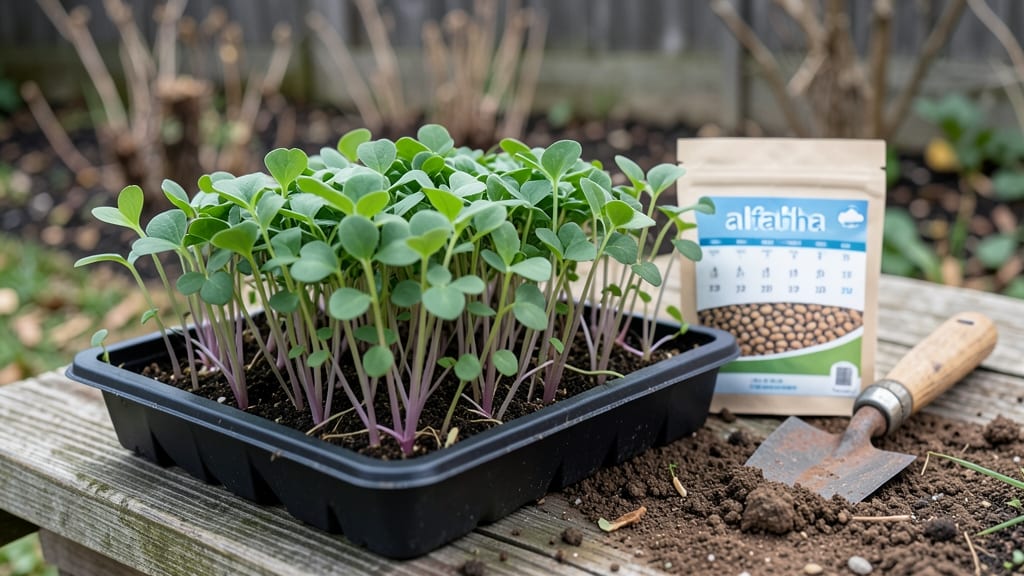
Timing your alfalfa planting in Texas is the key to unlocking a lush, productive forage crop—because one wrong move could leave you staring at frost-killed seedlings or struggling with stunted growth.
Whether you're a seasoned rancher or a new homesteader, getting those seeds in the ground at the right moment means the difference between a thriving field and wasted effort.
In Texas's 8a-10b zones, the ideal window for planting alfalfa 🌱 stretches from late winter to early spring or slips into fall, but the devil’s in the details.
We’re talking soil temperatures that need to hit 50-60°F for germination, frost-free windows that vary wildly from North to South Texas, and local weather quirks that can throw off even the best-laid plans.
What you’re about to discover isn’t just about picking a month from a calendar—it’s about reading your soil, tracking those last frost dates, and knowing when to plant for maximum growth before summer’s relentless heat takes over.
Let’s break down the exact steps to time your alfalfa planting like a pro.
From avoiding common pitfalls like planting too early in chilly North Texas or too late in the heat of Central Texas, to adjusting for your specific county’s microclimate, this guide gives you the confidence to plant with precision. Ready to turn your alfalfa dreams into a reality?
Best planting months for alfalfa in Texas based on soil temperature
Alfalfa thrives in Texas when planted during two key windows: late winter to early spring or fall. The ideal soil temperature for germination is 50-60°F, making timing critical to avoid frost damage or heat stress.
Northern Texas (e.g., Lubbock) has earlier frost risks, while Southern Texas (e.g., Brownsville) enjoys longer growing seasons. Let’s break down the perfect planting months by region.
For North Texas (USDA Zones 7b-8a), aim for February to early March or September to October. The last frost typically hits around February 15, but soil may still be too cold.
Use a soil thermometer to confirm temperatures before planting. Fall planting is riskier due to unpredictable late frosts, but it can extend your forage harvest into winter if managed carefully.
In Central Texas (Zones 8a-8b), your window expands to March through April or September to early October. The last frost averages March 1, but microclimates near hills can delay it.
Central Texas’s hot summers make fall planting preferable for avoiding heat stress during germination. Coastal areas like Corpus Christi benefit from a later start (April) due to milder winters.
| Region | Best Planting Window | Soil Temp Threshold | Last Frost Date |
|---|---|---|---|
| North Texas | Feb–Mar or Sep–Oct | 50–60°F | Feb 15 |
| Central Texas | Mar–Apr or Sep–Oct | 55–65°F | Mar 1 |
| South Texas | Mar–Apr or Sep–Nov | 60–70°F | Feb 1 |
In South Texas (Zones 9a-10b), your planting window stretches from March to April or even September to November. The mild winters mean frost is rare, but summer heat can stress young seedlings.
Plant in early fall to take advantage of cooler temperatures and avoid the brutal summer sun. Coastal areas like the Rio Grande Valley can plant as late as November for winter forage.
For high-altitude areas (e.g., Davis Mountains, Zone 7a), adjust your timeline 2-3 weeks earlier than Central Texas. These regions experience earlier frosts (November 15) and cooler soils.
Use a frost-free calculator from the USDA to fine-tune your dates. Planting in late August to September ensures seedlings establish before winter sets in.
Fall planting offers longer harvest windows but requires soil preparation. Test your soil’s pH (6.5–7.5) and amend with lime if needed. Alfalfa is drought-tolerant once established, but young plants need consistent moisture. Water deeply 2-3 times per week after planting to encourage root growth before the first frost.
Pro tip: Use black plastic mulch in early spring to warm the soil faster. This trick can shave 10-14 days off your planting timeline in cooler regions.
Monitor weekly rainfall—too much moisture can rot seeds, while drought can stunt germination. Aim for 1 inch of water per week during establishment.
Remember, alfalfa is a perennial, so investing time in the right planting window pays off for 3-5 years of forage. If you’re in West Texas, consider drought-resistant varieties like ‘CUF 101’, which handles heat and dry spells better than traditional types.
Always check with your local Texas A&M AgriLife Extension for region-specific advice.
Start with a small test plot if unsure about your local microclimate. Adjust your planting date based on real-time soil temps rather than relying solely on historical averages. With the right timing, your alfalfa field will reward you with high-protein forage for years to come. 🌱
Best planting months for alfalfa in Texas based on soil temperature
Alfalfa thrives in Texas when planted during two key windows: late winter to early spring (February-March) or fall (September-October). The difference? Soil temperature—alfalfa seeds need 50-60°F soil to germinate, and Texas’s 8a-10b zones create wildly different conditions from the Panhandle to the Rio Grande Valley.
Spring planting is riskier in North Texas due to late frosts, while Central and South Texas can handle earlier starts. Fall planting avoids summer heat stress but requires seeds to establish roots before winter dormancy. Let’s break down the optimal months by region to avoid costly mistakes.
| Region | Ideal Planting Window | Soil Temp Threshold | Key Consideration |
|---|---|---|---|
| North Texas (8a-9a) | Late March - Early April | 55-60°F (avoid frost) | Wait for last frost (avg. Feb 15) |
| Central Texas (8b-9b) | February - March OR September | 50-55°F | Fall planting preferred for summer drought avoidance |
| South Texas (9b-10b) | January - February OR August-September | 50-58°F | Avoid summer planting (heat stress risk) |
| High Altitude (Davis Mtns) | April - May | 60°F+ (cooler soils) | Later frost dates extend planting window |
For spring planting, Central Texas farmers often start in February when soil temps hit 50°F, while North Texas waits until late March to dodge frost. My rule of thumb? Use a soil thermometer—alfalfa seeds won’t germinate below 50°F, and waiting for 60°F ensures faster sprouting.
Fall planting in September-October is my top recommendation for most Texans. The cooler temps reduce heat stress, and established roots handle winter better. Just ensure seeds germinate before first frost (November 15 in Central Texas, December 1 in North Texas).
Pro tip: Check the USDA Plant Hardiness Zone Map for your county—even within Texas, microclimates vary. For example, El Paso (Zone 8a) can plant 2-3 weeks later than College Station (Zone 8b). Always verify with your local AgriLife Extension office for hyper-local advice.
Remember: Soil temperature > air temperature. A sunny 70°F day might hide cold soil—test it! Planting at the right time means healthier stands and higher yields come harvest season. 🌱