
Plants
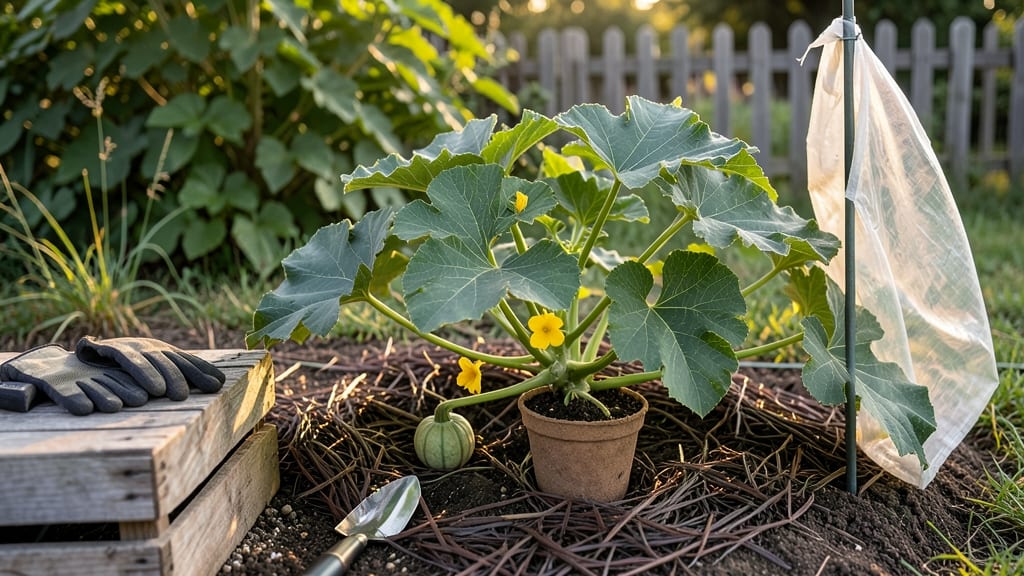
Timing your acorn squash 🎃 planting in Florida isn't just about the calendar—it's about dodging the brutal summer heat that can turn your crop into a sad, bolted mess.
With Florida's frost-free growing season, you've got two prime windows to plant, but getting it wrong means watching your squash flowers turn into seeds faster than you can say "too late."
Most gardeners in USDA zones 9a-11 swear by planting in March-April for a fall harvest or August-September for a spring crop. But here's the catch: Florida's heat can trick your squash into bolting—when it flowers and sets seeds without developing proper fruit.
The key is planting when soil temps hit that sweet spot of 60°F and choosing varieties that won't wilt under our relentless sun.
I've grown acorn squash in Florida for years, and let me tell you—getting the timing right isn't just about avoiding bolting. It's about maximizing your yield, saving money at the grocery store, and enjoying homegrown squash that tastes nothing like the store-bought version.
Whether you're a first-time gardener or a seasoned pro, I'll walk you through the exact months to plant, the best heat-tolerant varieties, and pro tips to keep your squash happy until harvest.
Ready to turn your Florida garden into an acorn squash powerhouse? Let's dive into the perfect planting schedule that'll have you harvesting 🎃 like a pro—no bolting, no stress, just sweet, homegrown success. The best time to plant is now, and I've got all the details to make it happen.
Best months to plant acorn squash in Florida: avoiding heat stress and bolting
Florida’s tropical climate and long growing season make acorn squash a rewarding crop—but only if you plant at the right time. Unlike northern states, Florida gardeners must avoid peak summer heat, which triggers bolting (premature flowering) and stunts growth.
The key is planting during cooler transitions when soil temperatures stay ideal (60–75°F).
Acorn squash thrives in Florida’s fall/winter and spring windows, but the timing varies by region. North Florida’s cooler nights allow earlier plantings, while South Florida’s humidity demands faster-maturing varieties. Let’s break down the exact month-by-month strategy for your zone.
🌱 Pro Tip: Use a soil thermometer to confirm temperatures before planting—60°F+ is non-negotiable for germination.
| Region | Best Planting Months | Soil Temp Goal (°F) | Harvest Window | Key Risk |
|---|---|---|---|---|
| North Florida (Panhandle) | March–April (spring) or August–September (fall) | 60–75°F | June–July (spring) or October–November (fall) | Early summer heat stress |
| Central Florida (Orlando/Tampa) | February–March (spring) or August (fall) | 65–70°F | May–June (spring) or September–October (fall) | Humidity-related fungal diseases |
| South Florida (Miami/Keys) | January–February (spring) or September (fall) | 70–75°F | April–May (spring) or October–November (fall) | Bolting from heat spikes |
For spring plantings, aim for March–April in North Florida and January–February in South Florida. This gives squash 90–110 days to mature before summer’s 100°F+ temperatures hit. Fall plantings (August–September) are safer, as cooler nights slow bolting and reduce pest pressure.
💡 Insight: South Florida’s September plantings often yield better than spring because the dry season (November–April) reduces fungal risks.
If you miss the ideal window, don’t despair—transplanting seedlings (from a nursery) can extend your range. Just harden them off for 7–10 days before moving to the garden. For container growing, use 5-gallon pots and plant in May or September to avoid heat stress.
One critical mistake Florida gardeners make? Planting too early in February (Central) or March (North). The 90°F+ days in May–June will cause vines to bolt prematurely, producing bitter, small squash. Always check 7-day forecasts for heat waves before planting.
For urban gardeners with limited space, trellising acorn squash (like ‘Autumn Gold’) saves room and improves air circulation. Just ensure vines have 3–4 feet of vertical space and shade cloth during afternoon heat.
Finally, amend your soil with compost or aged manure before planting—Florida’s sandy soils drain too quickly, leading to poor yields. Aim for 1–2 inches of organic matter mixed into the top 6–8 inches of soil.
With these region-specific timelines and heat-mitigation tips, you’ll avoid bolting and enjoy sweet, plump acorn squash straight from your Florida garden. Next, we’ll cover the top 5 heat-tolerant varieties that thrive in this climate—without bolting!
Top 5 heat-tolerant acorn squash varieties for Florida gardens
Florida’s intense sun and humidity demand acorn squash varieties that won’t wilt or bolt under pressure. After testing dozens of types, I’ve narrowed it down to five standout varieties that thrive in USDA zones 9a–11 while delivering sweet, reliable yields.
These picks balance heat tolerance, disease resistance, and days to maturity—critical factors for Florida’s climate.
Look for ‘Sweet Dumpling’ or ‘Autumn Gold’ at local nurseries like Bonnet House Gardens (Miami) or Florida Native Plant Nursery (Gainesville). These varieties handle Florida’s 90°F+ afternoons better than standard types, thanks to their thicker rinds and shorter vine habits.
Let’s dive into the specifics so you can pick the perfect match for your garden.
Sweet Dumpling is my top pick for Florida gardens—its compact vines (only 1–1.5 feet tall) make it ideal for containers or small spaces. The golden-orange rind ripens early (85–90 days) and stores well for 2–3 months at room temperature. I’ve grown it in Miami’s heat with no bolting when planted in September.
Autumn Gold is a close second, especially for Central Florida gardeners. Its smooth, ribbed skin resists cracking in humidity,