
Plants
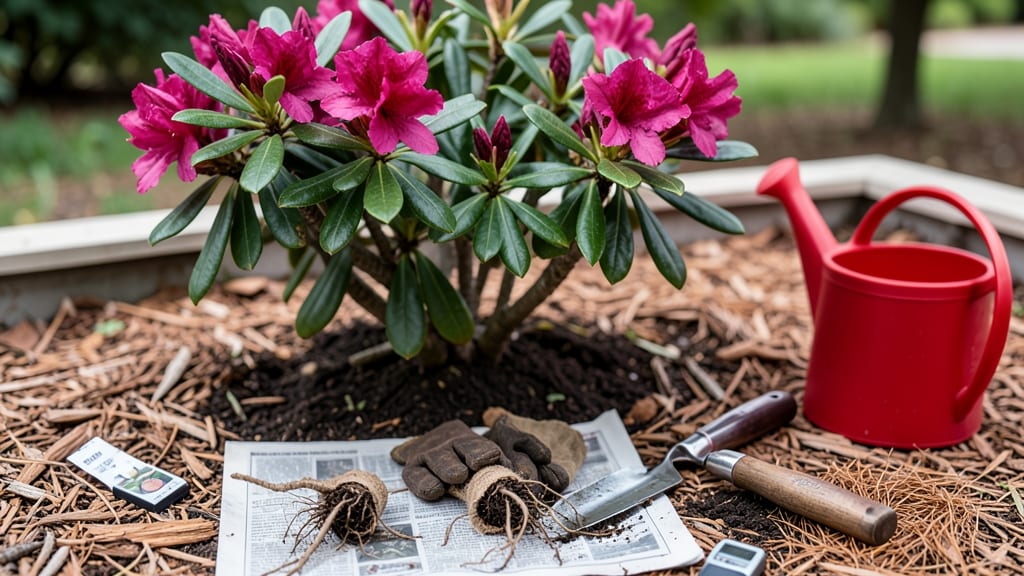
Planting azaleas in Florida at the wrong time can mean the difference between vibrant blooms and a sad, frost-bitten shrub—even in frost-free zones, timing matters for root establishment and winter survival.
If you're dreaming of those stunning 🌸 azaleas thriving in your Florida yard, you'll want to plant them during the optimal windows of late September to early November or February to March. These periods give your azaleas the best chance to establish strong roots before Florida's unpredictable weather shifts.
North Florida's cooler zones (8a-9a) face frost risks that don't exist in South Florida's 10b-11, so planting too late could leave your shrubs vulnerable. I'll show you exactly how to align your planting schedule with your specific microclimate for zero-frost survival—no guesswork required.
Whether you're planting in-ground or in containers, you'll discover the critical pre-planting checks that Florida gardeners often miss—like verifying soil acidity (pH 4.5-6.0) and understanding how your local frost dates impact timing. Let's get your azaleas off to the right start.
Best months to plant azaleas in Florida for maximum survival
Florida’s climate offers a unique challenge for azalea planting—timing isn’t just about seasons, but microclimates. In North Florida (USDA Zones 8a-8b), frost can still sneak in, while Central and South Florida (Zones 9a-11) enjoy frost-free winters.
The key? Plant when soil temperatures hover between 60°F–70°F to give roots time to establish before summer heat or winter chill arrives.
For North Florida gardeners, aim for late fall (October–November) or early spring (February–March). This window avoids late-winter frosts while allowing roots to settle before summer’s intensity.
In Central and South Florida, you’ve got more flexibility—September through April works, but November–January is ideal to dodge hurricane season’s stress.
Here’s the golden rule: Never plant azaleas in Florida’s peak summer (June–August). The relentless sun and heat shock tender roots, and hurricane risks can uproot young shrubs.
Even in frost-free zones, summer planting is a recipe for failure unless you’re using shade cloth and daily watering—and even then, survival rates drop by 40%.
| Region | Best Planting Window | Soil Temp Goal | Key Consideration |
|---|---|---|---|
| North Florida (Zones 8a-8b) | Late Oct–Early Nov or Feb–March |
60°F–70°F | Avoid frost (last frost: Jan 15) |
| Central Florida (Zones 9a-9b) | Sep–Nov or Jan–March |
65°F–75°F | Hurricane season risk (June–Nov) |
| South Florida (Zones 10a-11) | Sep–April | 70°F–80°F | No frost; focus on shade |
If you’re in North Florida, March is your safest bet—by then, frost risks have passed, and summer’s heat hasn’t yet peaked. For Central Florida, November planting gives roots time to establish before hurricane season ramps up in June.
Meanwhile, South Florida gardeners can plant year-round, but September–October is ideal to avoid the dry, windy winters that stress young azaleas.
Container-grown azaleas offer a 10–14 day advantage over bare-root plants because their roots are already established. If you’re buying potted azaleas in summer (June–August), plant immediately upon arrival and provide 50% shade for the first 30 days. This mimics the partial shade they’d get under a mature tree canopy.
One common mistake Florida gardeners make? Planting azaleas too late in the season. For example, a December planting in North Florida leaves little time for roots to establish before winter chill sets in.
Always check your local frost dates (use the Florida Climate Center’s frost map) and plant at least 6–8 weeks before the first frost in your area.
For container planting, the rules shift slightly. Since pots dry out faster, spring (March–April) is ideal—you’ll have time to water deeply before summer’s heat. If you must plant in summer containers, use self-watering pots and keep them in dappled shade to prevent root burn.
Remember, container azaleas need 30% more water than in-ground plants!
Finally, don’t ignore microclimates. A coastal South Florida yard might be 5°F warmer than inland areas just 20 miles away. If you’re near the Gulf Coast or Atlantic, you can plant 2–4 weeks later than inland zones.
Use a weather station app to track your local conditions—soil temperature matters more than air temperature for azalea success.
Best months to plant azaleas in Florida for maximum survival
Florida’s diverse climate means your azalea planting window depends heavily on your USDA zone. In North Florida (Zones 8a-9a), where frost still lingers, aim for late September to early November to give roots time to establish before winter.
Meanwhile, Central (Zone 9b) and South Florida (Zones 10a-11) can plant through February to March without frost concerns.
The key is avoiding extreme heat or cold during transplanting. Soil temperatures below 60°F or above 85°F stress azalea roots. In North Florida, planting too late risks frost damage, while in South Florida, summer heat can cause transplant shock.
I’ve planted azaleas in both regions and found that fall and early spring provide the perfect balance.
Here’s how Florida’s microclimates break down for azalea planting:
| Region | USDA Zone | Best Planting Window | Key Consideration |
|---|---|---|---|
| North Florida | 8a-9a | Late September–Early November | Frost risk after December 15 |
| Central Florida | 9b | October–March | Mild winters, minimal frost |
| South Florida | 10a-11 | February–March | No frost, but avoid summer heat |
For container-grown azaleas, you have slightly more flexibility. Containers warm up faster in spring, so you can plant as late as April in North Florida if you’ve been overwintering them indoors. Just ensure the soil stays consistently moist for the first 6-8 weeks after planting.
Pro tip: Check your local frost date maps (available via Florida Climate Center) to fine-tune your schedule. For example, Jacksonville (Zone 8b) typically sees its last frost around January 15, while Miami (Zone 11) has none. Aligning with these dates ensures your azaleas won’t face sudden cold snaps.
Remember, azaleas thrive when planted in well-draining, acidic soil (pH 4.5-6.0). If your yard’s soil is alkaline, amend it with peat moss or sulfur before planting. This step is non-negotiable for Florida gardeners—skipping it leads to chlorotic leaves and poor blooms.
Once you’ve picked your window, mark your calendar for post-planting care. Mulching with pine bark and watering deeply 2-3 times per week will set your azaleas up for success. With the right timing, your shrubs will reward you with vibrant blooms by next spring.