
Plants
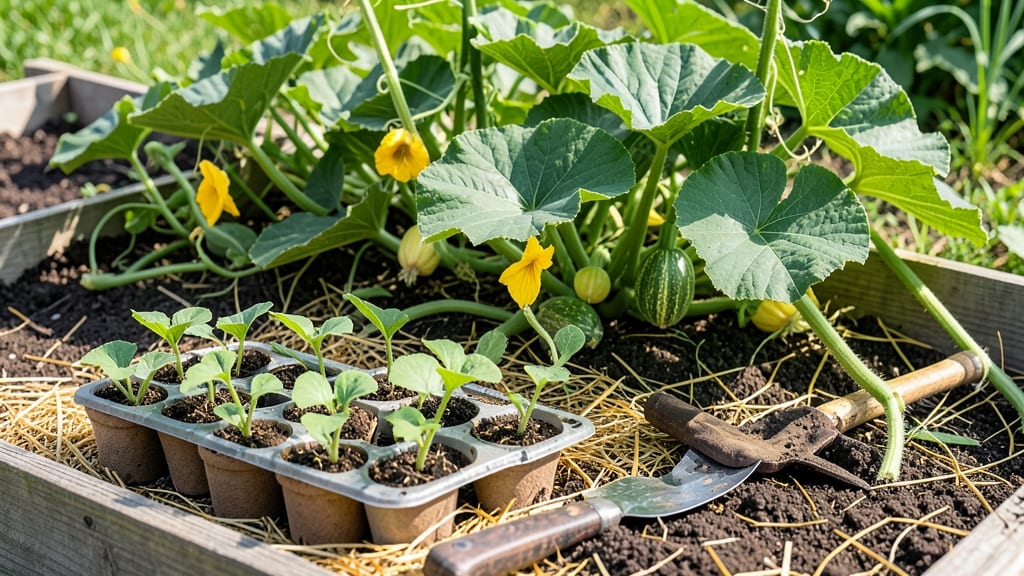
Planting squash in Texas isn't just about throwing seeds in the dirt—it's about outsmarting the heat and avoiding those brutal late frosts that can wipe out your 🎃 harvest before it starts.
With USDA zones 8a-10b and temperatures that swing from chilly mornings to scorching afternoons, timing your squash planting becomes the key to success.
If you've ever watched your seedlings wilt under Texas sun or seen your squash vines struggle to take root, you know the stakes are high. The difference between a thriving garden and a failed experiment often comes down to when you plant—not just what you plant.
Whether you're growing zucchini, butternut, or pumpkin varieties, getting the timing right means the difference between a bumper crop and empty vines.
I'll show you exactly when to start your squash seeds—whether you're in North Texas where frosts linger into March or South Texas where the growing season stretches nearly year-round.
We'll cover the ideal planting windows, heat-tolerant varieties that actually thrive in 100°F+ conditions, and how to prep your soil for maximum success.
Ready to grow squash that doesn't just survive Texas summers but thrives in them? Let's get started with the exact planting schedule your garden needs.
Best planting times for squash in Texas by hardiness zones (7a-10a)
Texas spans USDA zones 7a to 10a, meaning your last frost dates vary wildly—from February in North Texas to January in South Texas. This diversity means squash planting windows differ by hundreds of miles.
In Zone 7a, you’ll plant later than in Zone 10a to avoid frost damage, while southern gardeners can start earlier. The key is waiting for soil temperatures of 60°F+ and no more frost risk.
Most Texas gardeners focus on spring planting for summer harvests, but fall varieties also thrive if seeded in late summer. For example, in Zone 8a, you might plant zucchini in March and butternut squash in August for a second harvest.
The goal? Align planting with your local frost-free window—typically 210-300 days in Texas.
Here’s the breakdown by zone, including direct sowing (best for Texas heat) vs. transplanting (riskier in summer). Texas summers are brutal, so avoid transplanting after May 15 in most zones—seedlings wilt quickly in 100°F+ soil.
| USDA Zone | Last Frost Date | Best Planting Window | Notes |
|---|---|---|---|
| 7a (North Texas) | Feb 15–Mar 1 | Direct sow: April 1–May 15 Transplant: March 15–April 15 |
Use row covers for early starts; avoid transplanting after May 1. |
| 8a (Central Texas) | Feb 1–Mar 1 | Direct sow: March 15–June 1 Transplant: March 1–April 30 |
Fall planting for winter squash: August 1–September 15. |
| 9a (East/South Texas) | Jan 15–Feb 15 | Direct sow: February 15–July 1 Transplant: January 15–May 15 |
Long growing season; double-crop with fast varieties like zucchini. |
| 10a (Deep South Texas) | Dec 1–Jan 15 | Direct sow: January 1–August 1 Transplant: January 1–June 1 |
Year-round growing possible; shade cloth helps in peak summer. |
For North Texas gardeners (Zones 7a-8a), focus on spring planting and use black plastic mulch to warm soil faster. In South Texas (Zones 9a-10a), you can plant year-round, but summer squash like zucchini may bolt in 105°F+ heat.
Always check seed packets for days to maturity—aim to harvest before the first frost.
Pro tip: Use a soil thermometer to confirm 60°F+ soil temps before planting. Cold soil slows germination, and squash seeds rot if planted too early. In Zone 7a, I’ve seen seedlings die when night temps dip below 50°F—even with mulch.
Texas summers are unforgiving, so shade cloth (30-50%) is your best friend for late spring/early summer plantings. This buys you 2-3 extra weeks of viable growth before the heat becomes lethal. Pair it with drip irrigation to keep roots cool and moist.
Don’t forget fall planting for winter squash! In Zones 8a-10a, seed butternut or acorn squash in August for harvests in October-November. The cooler fall temps are perfect for slow, steady growth without the stress of summer heat.
If you’re in West Texas (Zone 8a), watch for sudden temperature swings. I once lost a $50 pumpkin patch to a 20°F drop in October. Always have row covers ready for late-season protection.
Finally, adjust for microclimates. A hilltop garden in Central Texas might frost 2 weeks later than a valley garden. Use your local cooperative extension service for hyper-local advice—Texas A&M has free frost maps by county
Best planting times for squash in Texas by hardiness zones (7a-10a)
Texas spans USDA zones 7a through 10b, meaning your planting schedule should shift dramatically from the Panhandle to the Rio Grande Valley.
In North Texas (zones 7a-8b), late frosts can linger until March 15, while South Texas gardeners (zones 9a-10b) often enjoy frost-free soil by February 1. The key is planting when soil temperatures hit 60°F+—cold soil slows germination and invites rot.
Most Texas gardeners aim for two planting windows: spring (for summer harvests) and late summer (for fall crops). Spring planting starts as early as mid-March in South Texas but waits until late April in North Texas to avoid frost damage.
For fall varieties, seeds go in the ground by mid-August to mature before first frost (which hits as early as November 15 in North Texas).
Direct sowing is the best method for squash—they hate transplant shock. Plant seeds 1 inch deep, spacing them 2-3 feet apart (or 3-4 feet for large varieties like pumpkins). In North Texas, use black plastic mulch to warm soil faster and deter weeds.
For South Texas gardeners, shade cloth (30-50%) can protect young seedlings from intense afternoon sun until they establish roots.
Pro tip: Test your soil temperature with a soil thermometer before planting. Squash seeds won't germinate below 60°F, and soil that's too hot (>90°F) can cause poor germination too.
Aim for 70-85°F for optimal results. If your soil runs hot, plant in late afternoon to reduce heat stress on freshly sown seeds.
Remember, Texas summers are long and brutal. Planting too early means seedlings will bolt or wilt under 100°F+ heat. Start with fast-maturing varieties (50-60 days) if you're pushing the season's edges, or opt for heat-tolerant types like 'Cocozelle' or 'Black Beauty' that can handle the Texas sun without wilting.