
Plants
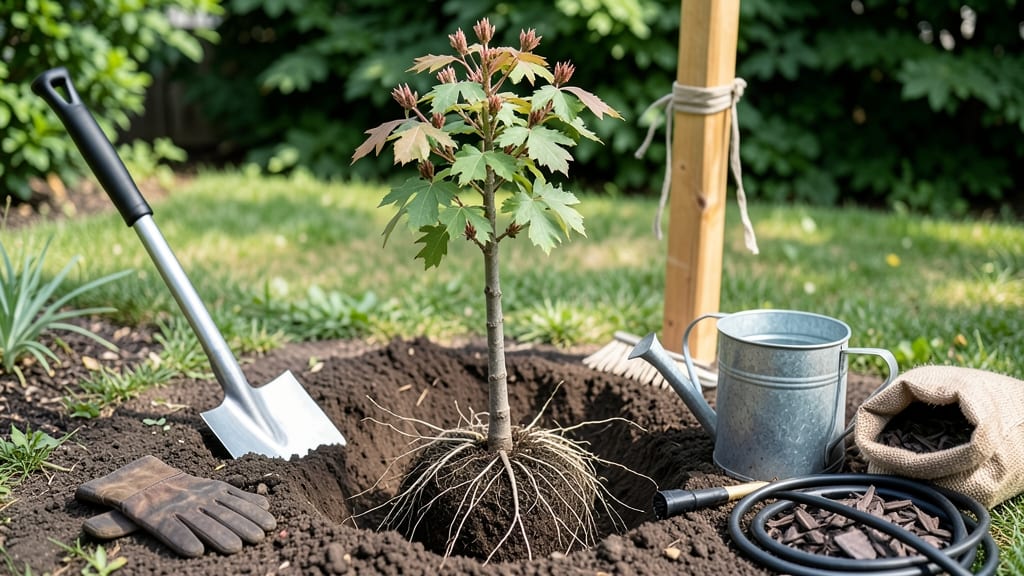
Timing your tree planting in Iowa isn't just about picking a random weekend—it's the single most important factor for whether your 🌳 thrives or struggles through those brutal winters.
With USDA zones 5a-5b and frost dates that can swing wildly, planting too early or too late means weak roots and stunted growth.
Most gardeners assume spring is the only option, but fall actually gives your tree a head start on root development before winter hits. I've seen firsthand how trees planted in late September or October establish stronger roots than their spring counterparts—especially in Iowa's heavy clay soils.
What you're about to discover isn't just theory—it's battle-tested advice from Iowa's best arborists about when to plant bare-root vs container-grown trees, and how to adjust for your specific location. Let me show you the exact windows that work best for your corner of the state.
We'll cover the science behind why spring (April-May) and fall (September-October) are your best bets, plus the common mistakes that kill new plantings before they even take hold. Ready to give your tree the perfect start?
Iowa’s optimal tree planting windows: spring vs fall science for root establishment
Iowa’s USDA hardiness zones 5a-5b create a tricky balance—too early in spring and frost will damage tender roots, but planting too late in fall leaves trees vulnerable to winter stress.
The golden windows are late April to early June and October to mid-November, when soil temperatures hover between 40°F and 60°F, perfect for root establishment before dormancy.
Northern Iowa’s shorter frost-free season (140-160 days) demands earlier spring planting (after April 15) compared to southern Iowa’s 165+ frost-free days, which allows flexibility until early June. Fall planting must finish 6 weeks before first frost—typically by October 15—to let roots harden before winter.
Soil temperatures are the secret weapon here. Use a soil thermometer to confirm 50°F+ at 4-6 inches deep before planting. In Iowa, this usually aligns with late April for spring and mid-October for fall, but northern counties may need to wait 1-2 weeks longer.
Bare-root trees thrive in fall planting because their roots establish before winter, while container-grown trees can handle late spring better due to their established root systems. However, avoid summer planting—Iowa’s 90°F+ heat causes transplant shock, and winter planting risks frost heave damage.
Here’s how Iowa’s microclimates affect timing:
| Region | Spring Window | Fall Window | Key Consideration |
|---|---|---|---|
| Northern Iowa (Zones 5a) | Late April - Early May | Mid-September - Mid-October | Later frost dates; prioritize cold-hardy species |
| Central Iowa (Zones 5a-5b) | Mid-April - Early June | Late September - Mid-November | Flexible timing; monitor soil temps closely |
| Southern Iowa (Zones 5b) | Early April - Late May | Early October - Late November | Longer growing season; avoid late fall planting |
For bare-root trees, fall planting is ideal—they enter dormancy naturally, and roots establish before winter. Container-grown trees, however, can be planted throughout the growing season (April-October) as long as soil isn’t frozen or waterlogged. The key is watering deeply after planting to reduce transplant shock.
Iowa’s unpredictable weather means checking local frost dates (available from Iowa State Extension) is non-negotiable. For example, a late May frost in northern Iowa can wipe out newly planted trees, while southern Iowa might see unseasonable warmth extending the window into early June.
Pro tip: Acclimate container-grown trees for 1-2 weeks before planting by moving them outdoors during the day and back indoors at night. This hardens them off and reduces shock when exposed to Iowa’s temperature swings.
Remember, root growth > top growth in Iowa’s climate. Planting at the right time ensures your tree spends its first critical months building roots, not struggling to survive extreme weather. With these windows, you’ll give your tree a 10-year head start over poor timing.
Tree species that defy Iowa’s planting rules (and when to bend them)
Not every tree follows Iowa’s strict spring-fall planting rules. Some species thrive when planted outside these windows—especially in Iowa’s variable microclimates. Fast-growing trees like willows and silver maples can handle summer planting, while drought-tolerant natives like bur oaks adapt better to fall’s edge.
The key? Understanding each species’ root establishment speed and climate resilience.
For example, container-grown trees (not bare-root) can often be planted in late summer if you’re in southern Iowa’s warmer zones (5b). But northern Iowa’s shorter growing seasons demand stricter timing. Let’s break down which trees bend the rules—and when.
🌱 Iowa’s Rule-Bending Trees
- Fast-Growers: Willows, silver maples, and Russian olives can handle late spring to early summer planting (June-July) in southern Iowa.
- Drought-Tolerant Natives: Bur oaks, hackberries, and sumacs thrive when planted in late fall (Nov) or even early spring (March).
- Urban Hacks: Container-grown dogwoods or serviceberries can be planted in August if kept well-watered.
- Bare-Root Exceptions: Some fruit trees (apples, cherries) can be planted in early spring (March) before buds swell.
If you’re planting outside these windows, prioritize container-grown trees over bare-root—their established root systems handle stress better. For northern Iowa (zone 5a), stick to fall planting (Sept-Oct) for most species, but avoid planting after Nov 15—frost can kill tender roots before they establish.
For southern Iowa (zone 5b), you’ve got more flexibility. Late summer (August) works for container-grown trees, but water deeply 2-3x/week to prevent transplant shock. And if you’re in an urban heat island, mulch heavily to protect roots from late-summer heat stress.
Pro tip: Check your tree’s USDA hardiness zone—some species (like Ginkgo biloba) handle early spring planting better than others. Always test soil moisture before planting outside the ideal window.
Remember, bending the rules means extra care. Whether you’re planting a fast-growing willow in July or a bur oak in November, watering and mulching become even more critical. 🌳