
Vegetables
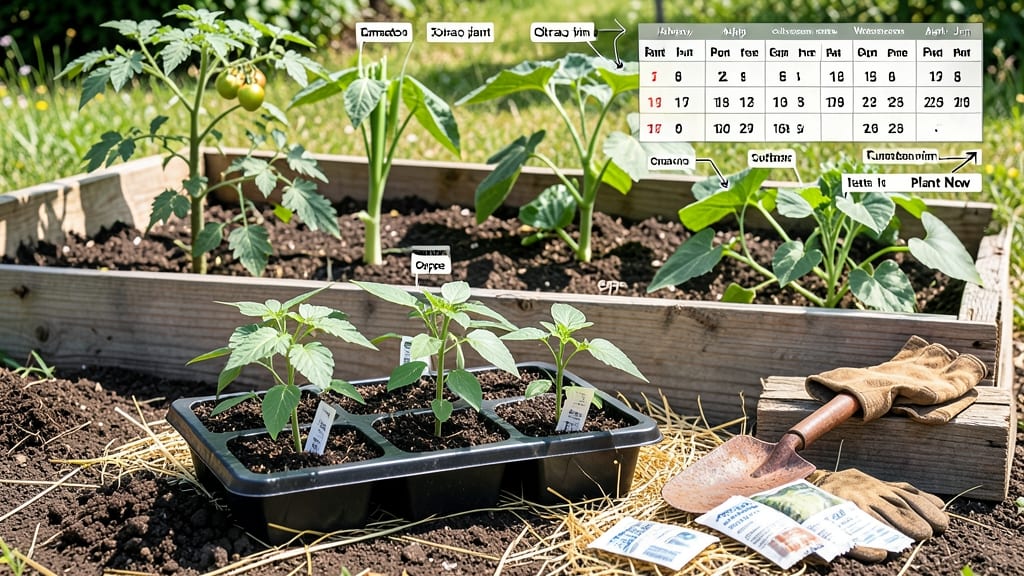
Timing your vegetable planting in Oklahoma isn’t just about luck—it’s about knowing your USDA zone and when to beat the last frost for a thriving garden.
With zones ranging from 6a to 7b, the difference between a 60-day harvest and a wasted seed packet can hinge on planting just a few weeks too early or late.
Whether you’re growing heat-loving tomatoes in Zone 7b or cold-hardy greens in Zone 6a, the key is understanding Oklahoma’s frost-free window. I’ll break down the exact months to start seeds indoors, transplant seedlings, and sow directly—so you can avoid common mistakes and maximize your garden’s potential.
From late winter prep to fall harvests, this guide covers everything you need to know. You’ll discover how to stretch your growing season, choose the right varieties for your microclimate, and even troubleshoot unexpected weather shifts. Let’s get your garden off to the right start!
Ready to turn your Oklahoma soil into a productive patch? The best time to plant isn’t just a season—it’s a strategy. Let’s dive into the details that will make your harvest the envy of the neighborhood.
Oklahoma planting zones: when to start vegetables by USDA Zone (6a-7b)
Oklahoma spans USDA Hardiness Zones 6a-7b, meaning your planting schedule depends on whether you're in the cooler northern regions or the warmer southern areas. Zone 6a (like Oklahoma City) has an average last frost date of April 15, while Zone 7b (like Tulsa) typically sees its last frost around March 20.
These dates shift your planting windows significantly—especially for heat-loving crops like tomatoes and peppers.
Cool-season vegetables, such as lettuce, peas, and spinach, can handle light frosts and should be planted 6-8 weeks before your last frost date. In Zone 6a, that means starting seeds indoors by February 15 or sowing directly in early March.
For Zone 7b, you can push this window back to late February for indoor starts or mid-March for direct sowing.
Warm-season crops like tomatoes, peppers, and squash need soil temperatures above 60°F to thrive. In Zone 6a, wait until after May 1 to transplant seedlings or direct-sow seeds. Zone 7b gardeners can start these 2-3 weeks earlier, around April 15, thanks to milder springs.
Key frost dates to remember:
- Last spring frost: Zone 6a (April 15) vs. Zone 7b (March 20)
- First fall frost: Zone 6a (November 1) vs. Zone 7b (October 20)
These dates dictate when to plant warm-season crops and when to harvest before cold sets in.
🌱 Oklahoma Planting Windows by Zone & Crop Type
| Zone | Crop Type | Indoor Start (Weeks Before Last Frost) | Direct Sow (After Last Frost) | Fall Planting (Before First Frost) |
|---|---|---|---|---|
| 6a | Cool-Season (lettuce, spinach, peas) | 6-8 weeks (Feb 15) | Early March | Late July (for fall harvest) |
| 6a | Warm-Season (tomatoes, peppers, squash) | 6-8 weeks (Feb 15) | After May 1 | N/A (too late) |
| 7b | Cool-Season (lettuce, spinach, peas) | 6-8 weeks (Feb 1) | Mid-March | Early August |
| 7b | Warm-Season (tomatoes, peppers, squash) | 6-8 weeks (Jan 25) | After April 15 | N/A (too late) |
📌 Pro Tip: Use row covers to extend cool-season planting by 2-3 weeks in both zones.
For direct-sown crops like beans, carrots, and radishes, you can often skip indoor starts and sow seeds 2-3 weeks after your last frost date. In Zone 6a, that’s mid-April, while Zone 7b gardeners can start these by early April.
These fast-growing vegetables thrive in warmer soil but don’t tolerate frost.
Oklahoma’s summer heat (especially in Zone 7b) can stress vegetables like cucumbers and zucchini. To avoid bolting or wilting, plant these after Memorial Day (late May) and use shade cloth during peak afternoon sun. In Zone 6a, wait until early June to ensure soil warmth.
Fall planting is critical for a second harvest of cool-season crops. In Zone 6a, sow spinach and kale by late July for a harvest before the November 1 frost.
Zone 7b gardeners have until early September to plant these crops, giving them an extra month of growth before the October 20 frost.
If you’re unsure about your exact last frost date, check Oklahoma State University’s Mesonet website or use a frost calendar from your local cooperative extension office. These resources provide hyper-localized data that can adjust your planting timeline by 1-2 weeks depending on your microclimate.
For succession planting, stagger your sowings every 2 weeks for crops like lettuce, radishes, and bush beans. This ensures a continuous harvest throughout the growing season, even if Oklahoma’s weather throws a curveball with unexpected late frosts or early heatwaves.
Remember: Soil temperature matters more than air temperature. Use a soil thermometer to confirm warm-season crops
Best vegetables to plant in Oklahoma by season (with exact months)
Oklahoma’s long growing season and diverse climate let you grow everything from heat-loving tomatoes to cold-hardy kale. The key is planting at the right time to match each crop’s needs.
For Zone 6a (like Oklahoma City), focus on early spring and late summer plantings, while Zone 7b (like Tulsa) can extend warm-season crops into early fall.
Here’s a month-by-month breakdown of the best vegetables to plant, including heat-tolerant varieties for Zone 7b and cold-resistant picks for Zone 6a. I’ll also share staggered planting tips to keep your harvests coming all season long.
🌱 February: Start cool-season crops indoors like basil, broccoli, and onions. Zone 6a gardeners can direct-sow peas and spinach in protected beds, while Zone 7b can begin lettuce and radishes outdoors if soil isn’t frozen.
📅 Oklahoma Seasonal Planting Calendar
- 🌱 February: Start basil, broccoli, onions indoors; sow peas, spinach outdoors (Zone 6a only).
- 🌿 March: Direct-sow carrots, beets, lettuce (Zone 7b by mid-March); transplant cool-season starts after last frost.
- ☀️ April: Plant potatoes, corn, peas; start tomato and pepper seeds indoors (Zone 6a).
- 🌞 May: Transplant tomatoes, peppers, cucumbers (Zone 7b after April 15); direct-sow beans, squash (Zone 6a after May 1).
- 🌻 June: Sow okra, sweet potatoes, southern peas (Zone 7b); succession-plant lettuce, radishes for fall.
- 🍂 July: Plant fall broccoli, cabbage, kale (Zone 6a by late July); harvest early tomatoes before heat stress.
- 🍁 August: Direct-sow spinach, arugula, turnips (Zone 7b); protect with row covers for frost-sensitive crops.
- 🌡️ September: Plant garlic, onions, peas for winter harvest; extend tomato season with cold frames (Zone 7b).
💡 Pro Tip: Use shade cloth in June-August to protect leafy greens from Oklahoma’s intense summer sun.
April is all about warm-season prep. In Zone 6a, start tomato and pepper seeds indoors by April 1 to transplant after the May 1 last frost date. Zone 7b gardeners can direct-sow beans, corn, and squash by mid-April once soil reaches 60°F. This month is also perfect for potatoes, which thrive when planted 2-3 weeks before the last frost.
June-August is peak season for heat-loving crops. In Zone 7b, plant okra, sweet potatoes, and southern peas—these varieties thrive in Oklahoma’s summer heat. Zone 6a gardeners should focus on succession planting for lettuce and radishes every 2 weeks to ensure a continuous harvest before fall frosts. Don’t forget mulch to retain moisture and shade cloth to protect tender leaves from scorching sun.
For a fall harvest, July and August are your last chances to plant cool-season crops. In Zone 6a, sow broccoli, cabbage, and kale by late July for a harvest before the November 1 frost.
Zone 7b gardeners can push this window to early September, giving these crops 6-8 weeks of growth before the October 20 frost. Use row covers to extend the season by 2-3 weeks.
Oklahoma’s fall planting isn’t just about cool-season crops—it’s also a chance to plant garlic and onions in September for a spring harvest. These low-maintenance crops can handle light frosts and even improve soil health over winter.
For Zone 7b gardeners, you can also extend tomato season with cold frames or row covers until early November.
If you’re new to Oklahoma gardening, start with easy-to-grow crops like bush beans, zucchini, and lettuce. These forgiving varieties adapt well to Oklahoma’s unpredictable weather and provide quick harvests. For advanced gardeners, experiment with heat-tolerant tomatoes like ‘Celebrity’ or ‘Heatmaster’, which perform well in Zone 7b’s