
Plants
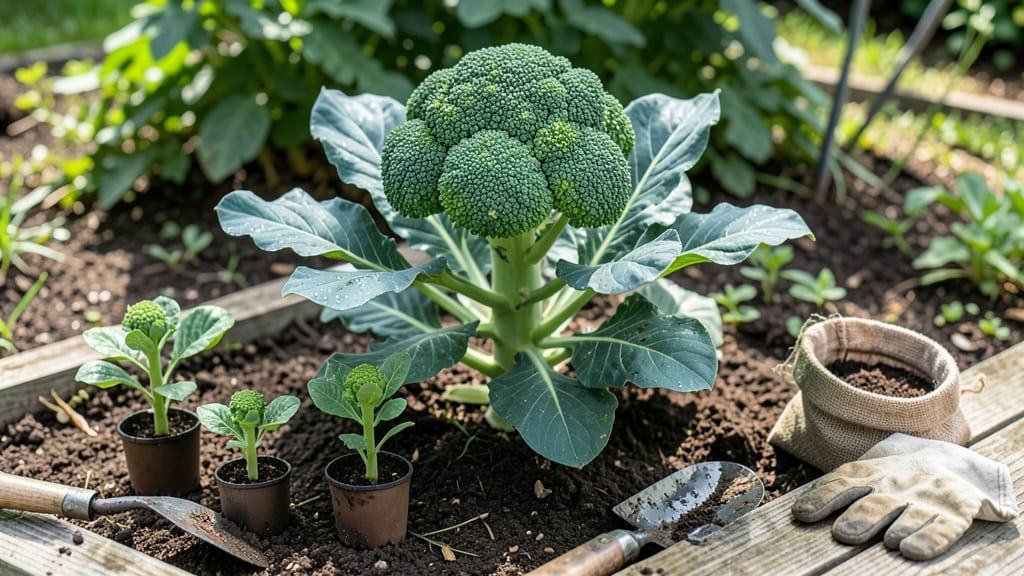
Planting broccoli in Indiana at the wrong time can turn your garden dreams into a bolting disaster—those bitter-tasting, flower-filled stalks are a gardener’s worst nightmare.
The key to avoiding this fate lies in understanding Indiana’s unique climate quirks, where USDA Zone 6a means your planting window is narrower than you think.
Most gardeners in Indiana know spring is the prime time to plant 🥦 broccoli, but the real magic happens in late summer too. If you’ve ever wondered why your broccoli bolts before forming heads, it’s likely because you planted too early or too late.
I’ll show you exactly when to start seeds indoors and when to transplant for a foolproof harvest—no more guessing games.
We’re talking about two critical windows: early spring (March-April) and late summer (July-August). Each has its own rules, from soil temperature checks to frost dates that’ll make or break your crop.
Whether you’re a first-time gardener or a seasoned green thumb, these zone-specific dates will ensure your broccoli stays cool, happy, and ready to harvest.
Ready to grow broccoli that’s tender, abundant, and never bitter? Let’s dive into the exact planting schedule that works for Indiana’s climate—so you can enjoy homegrown 🥦 broccoli from June through November without the stress.
Indiana’s best planting windows for broccoli by hardiness Zone
Indiana’s climate—marked by USDA Zones 5-7—creates a unique challenge for growing broccoli. The key to success lies in planting at the right time to avoid bolting (premature flowering) caused by heat or frost.
Most of Indiana falls within Zones 5b-6b, where spring and fall are your best bets for a thriving crop.
For spring broccoli, aim to plant 4-6 weeks before your last frost date—typically mid-March to early April in most regions. In Zone 5, where frosts linger longer, start seeds indoors by late February for an earlier transplant.
Meanwhile, fall broccoli should go in the ground 8-10 weeks before the first frost, usually late July to early August.
Here’s the breakdown by zone to maximize your harvest while minimizing risks like stunted growth or heat stress:
| Zone | Spring Planting Window | Fall Planting Window | Soil Temp Threshold | Key Risk |
|---|---|---|---|---|
| Zone 5 | Mid-March to early April | Late July to early August | 45°F+ (for germination) | Late frosts or heat waves |
| Zone 6 | Late March to early April | Early to mid-August | 50°F+ (for germination) | Bolting from summer heat |
| Zone 7 | Early April to mid-April | Mid-August to early September | 55°F+ (for germination) | Extreme summer heat |
In Zone 5, where winters are colder, use row covers or cold frames to extend your growing season. For Zone 6 and 7, focus on succession planting every 2-3 weeks in spring to stagger harvests and avoid gaps.
Always test your soil temperature—broccoli seeds need 45-55°F to germinate properly.
Another critical factor is frost dates. In Indiana, the average last frost hovers around April 15, but northern areas (like Zone 5) can see frosts as late as May 1.
For fall crops, the first frost typically arrives by October 15, so plan accordingly to harvest before temperatures drop below 30°F.
If you’re planting in southern Indiana (Zone 7), where summers are hotter, opt for shade cloth or drip irrigation to keep plants cool. Heat stress above 85°F can trigger bolting, so timing is everything.
For example, a July planting in Zone 7 might bolt by September if not managed properly.
Pro tip: Use a planting calendar tailored to your specific Indiana county. Tools like the Indiana State Climate Office’s frost maps can help refine your schedule.
For instance, Gary (Zone 6a) has a slightly longer growing season than South Bend (Zone 5b), so adjust your dates by 1-2 weeks accordingly.
Finally, always choose a well-draining location with 6+ hours of sunlight. Broccoli thrives in cool, moist soil with a pH of 6.0-7.0. Amend your soil with compost before planting to improve fertility and drainage—this is especially important in Indiana’s clay-heavy soils.
By following these zone-specific guidelines, you’ll avoid the common pitfalls of bolting and stunted growth while ensuring a reliable harvest twice a year. Happy planting! 🌱
How to adjust planting dates for zero-bolt broccoli in Indiana’s heat
Indiana’s summers can push broccoli to bolt—prematurely flowering—if planted too early. The key is delaying planting until soil temperatures stay below 80°F (27°C) during the day. For most of Indiana (USDA Zones 5-6), this means waiting until mid-to-late July for fall crops, not June.
Heat stress triggers bolting faster than you’d expect, even with regular watering.
Use shade cloth (30-50%) over young plants if temperatures climb above 85°F (29°C). This buys you 2-3 extra weeks of safe growth before bolting risks spike. I’ve seen shade cloth extend my fall harvest by nearly a month in southern Indiana’s Zone 6.
Another trick? Succession planting every 2 weeks starting in early July. Plant smaller batches in partial shade (like near taller plants) to stagger maturity and avoid all heads ripening at once during heat waves. This also spreads out your harvest window, reducing waste.
⚠️ Callout-Warning Element ⚠️
🔥 Heat-Bolting Warning Signs
Yellowing leaves on lower stems? Tiny flowers appearing at the center? These mean your broccoli is bolting—harvest immediately or the entire head will turn bitter and woody. If caught early, side shoots may still produce edible buds, but yields drop by 50-70%.
Pro Tip: Mulch with straw or grass clippings to keep soil temps 5-10°F cooler at the roots.
For southern Indiana (Zone 7), push fall planting to early August and use heat-tolerant varieties like ‘De Cicco’ or ‘Calabrese’. These handle short heat spells better than traditional types.
I’ve had success with ‘De Cicco’ producing heads even when daytime highs hit 90°F (32°C), as long as nights stay below 75°F (24°C).
Never plant broccoli in May or early June unless you’re using a high-tunnel or cold frame. The combination of warm soil and long daylight hours in late spring sends broccoli into bolting mode within 3-4 weeks. Save those early dates for cold-hardy greens like spinach or kale instead.
Monitor your local Indiana State Climate Office for weekly updates on soil temps. Their “Growing Degree Days” (GDD) tool predicts bolting risks—aim for below 1,200 GDD during head formation. When GDDs climb above that, it’s time to harvest or shade your plants aggressively.