
Companion Plants
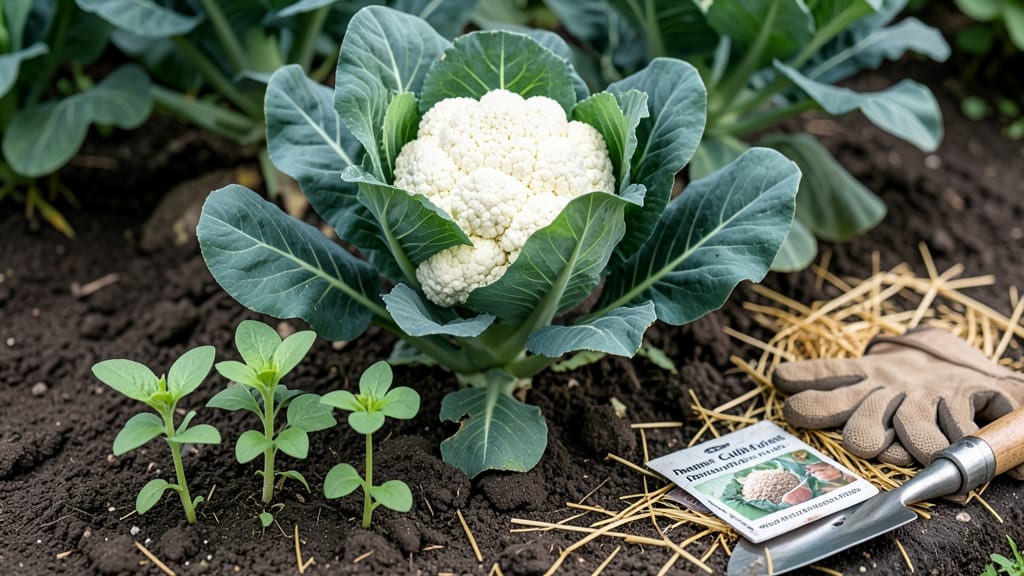
If you’ve ever stared at a bolting cauliflower plant and wondered, "Why didn’t I plant this sooner?"—you’re not alone. The perfect timing for planting 🥬 in Pennsylvania can make or break your harvest, especially with our 5b-7a zones and unpredictable springs.
Here’s the secret: Spring and fall are your two best windows, but getting the dates wrong means either freezing seedlings or watching your plants race to flower before they form a head.
I’ll break down the exact months to plant—whether you’re starting seeds indoors or setting out transplants—and how to adjust for late frosts or early heat.
You’ll also discover which cold-hardy varieties thrive in PA’s climate, how to stretch your growing season with row covers, and why soil temperature matters more than you think. No more guesswork—just a foolproof plan for zero-bolt harvests.
Let’s dive into the zone-specific schedule that’ll have you enjoying crisp, homegrown 🥬 from late spring through fall—without the frustration.
Pennsylvania planting zones & exact cauliflower seed dates by month
Pennsylvania spans USDA zones 5b through 7a, creating distinct microclimates that demand precise cauliflower planting timing.
In northern PA (zones 5b-6a), like Erie or Scranton, you’ll need to plant earlier to beat frost, while southern PA (zones 6b-7a), such as Philadelphia or Pittsburgh, offers a slightly extended season. The key?
Planting 4-6 weeks before your last frost date—typically mid-March to early April for spring and late July to early August for fall.
Cauliflower thrives in cool weather (50–75°F), so timing is critical to avoid bolting (premature flowering). In Pittsburgh (zone 6b), aim for March 20–April 5 for spring and August 1–15 for fall.
Meanwhile, Philadelphia (zone 7a) gardeners can push spring planting to April 1–15 and fall to August 10–25. Always check your local last frost date—it varies by 5–10 days across the state.
🌱 Pro Tip: Use row covers or cold frames to extend your season by 2–4 weeks in early spring or late fall. This is especially useful in higher elevations (zones 5b-6a), where frost lingers longer.
| USDA Zone | Spring Planting Window | Fall Planting Window | Key Notes |
|---|---|---|---|
| 5b (Erie, Scranton) | March 1–15 | August 1–10 | Use row covers; last frost ~April 20 |
| 6a (State College, Allentown) | March 15–25 | August 10–20 | Last frost ~April 5; ideal for 'Snowball Y' |
| 6b (Harrisburg, Lancaster) | March 20–April 5 | August 15–25 | First frost ~October 15; try 'Purple of Sicily' |
| 7a (Philadelphia, Pittsburgh) | April 1–15 | August 20–September 5 | Last frost ~April 15; longest season |
For direct sowing (planting seeds outdoors), Pennsylvania’s soil temperature must reach 40°F consistently. In most areas, this happens by late March to early April.
However, transplants (seedlings) are often easier and faster—start them indoors 6–8 weeks before your last frost or buy cold-hardy seedlings from local nurseries in early spring.
In fall plantings, aim to harvest before first frost (mid-October). For example, a September 1 planting in Philadelphia (zone 7a) should yield heads by late October.
Use fast-maturing varieties (60–70 days) like 'Snowball' or 'White Rock' to ensure success. In northern PA (zones 5b-6a), stick to late July plantings to avoid early frosts.
Always test your soil pH (6.0–7.0) and amend with compost or aged manure before planting. Cauliflower is heavy-feeding and needs rich, fertile soil to produce tight heads. In sandy soils (common in PA), mix in peat moss or coconut coir to retain moisture.
🌿 Remember: Succession planting every 2 weeks in spring (until mid-April) ensures a steady harvest. In fall, plant every 3 weeks until August 15 to maximize your yield before frost.
How to adjust planting dates for zero-bolt harvests in PA’s unpredictable climate
Pennsylvania’s unpredictable frosts and sudden heatwaves can turn a perfect cauliflower planting schedule into a disaster. If you’ve ever lost a crop to an early freeze or watched plants bolt in 70°F+ temperatures, you know the stakes. The key? Flexible timing and season extension strategies tailored to your microclimate.
High-altitude areas like the Poconos (Zone 5b) may see frosts until May 15, while Philadelphia (Zone 7a) might hit 80°F by late April. Adjust your planting dates by 2–4 weeks later in cooler regions or earlier in warmer valleys.
For example, start seeds indoors in mid-February in Zone 7a, but wait until late March in Zone 5b.
Here’s how to stretch your growing season and avoid bolting, even when Mother Nature throws curveballs:
⚠️ Warning: Bolting Risk Zones
Temperature triggers: Cauliflower bolts when soil temps hit 75°F+ or air temps exceed 80°F for 3+ days. In PA, this often happens in late May–June or September. Use shade cloth (30–50%) during heatwaves to delay bolting.
Frost danger: Seedlings can’t survive below 28°F. If frost is forecasted after transplanting, cover plants with frost blankets or move pots indoors temporarily.
For fall planting, aim to harvest before the first frost. In most of PA, this means starting seeds 8–10 weeks before your average October 15 frost date.
Use row covers to buy 2–3 extra weeks of growing time in September, especially in cooler zones like Erie (Zone 6a).
Another pro tip: Succession planting every 2 weeks from March to July ensures a steady supply. Plant a small batch every 14 days—this way, if one crop bolts or gets frost-nipped, you’ll still have fresh heads.
Pair this with cold-hardy varieties like ‘Snowball Y Improved’ for extra insurance against early-season setbacks.
Don’t forget to monitor soil temperature—it’s more critical than air temperature. Use a soil thermometer to confirm it’s 40–50°F before transplanting seedlings. In PA’s clay-heavy soils, which warm slowly, you might need to wait until mid-April even if air temps seem ideal.
By combining flexible dates, season extenders, and variety selection, you’ll turn PA’s quirks into advantages. Next up: the best cauliflower varieties that thrive in our climate—and how to maximize their yields without the guesswork.