
Plants
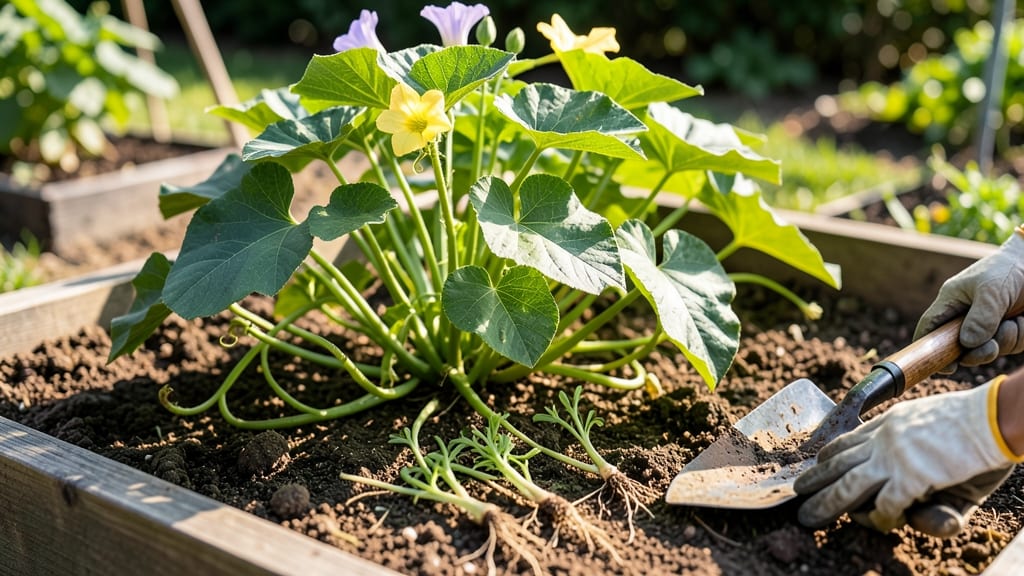
If you're dreaming of harvesting your own 🍠 sweet potatoes in Alabama, timing is everything—plant too early, and frost will ruin your crop; too late, and you’ll miss peak harvest season.
The ideal window for Alabama’s 7b-8a climate is late April to early June, when soil temperatures consistently stay above 65°F and frost risk has passed.
Alabama’s humid summers and variable frost dates make this the perfect time to get slips (young plants) in the ground for maximum yield.
Whether you’re in North Alabama with cooler nights or South Alabama’s longer growing season, knowing when to plant can mean the difference between a bountiful harvest and wasted effort.
I’ll walk you through the exact frost-free deadlines by region, the best heat-tolerant varieties for Alabama’s soil, and pro tips to extend your growing season. By the end, you’ll know exactly when to plant for sweet potatoes that thrive—no guesswork, just homegrown success.
Ready to dig in? Let’s make sure your 🍠 sweet potatoes grow big, sweet, and ready for September’s harvest tables.
Alabama’s sweet potato planting calendar: frost-free deadlines by region
Alabama’s diverse climate means your planting window depends heavily on where you live. North Alabama faces the highest frost risk, while South Alabama enjoys longer growing seasons. Timing your sweet potatoes correctly ensures healthy slips and maximum yields before the first frost in November.
Let’s break down the ideal planting windows by region to avoid common mistakes like frost damage or missed harvests.
For North Alabama (USDA zones 7b-8a), wait until mid-May to plant slips.
This region typically sees its last frost around April 15, but soil needs to warm to 65°F before planting. Central Alabama (zones 7b-8a) can start as early as late April, while South Alabama (zone 8a) can plant slips by early April with minimal frost risk.
Here’s a quick comparison to help you plan:
| Region | Last Frost Date | Ideal Planting Window | Soil Temp Threshold | Harvest Window |
|---|---|---|---|---|
| North Alabama | Mid-April | Mid-May to Early June | 65°F+ | Late September to Early October |
| Central Alabama | Early April | Late April to Early May | 65°F+ | Mid-September to Mid-October |
| South Alabama | Late March | Early April to Mid-April | 60°F+ | Late August to Early October |
If you’re growing from seeds instead of slips, start them indoors 8-10 weeks before your region’s last frost date. Seeds need warm soil (80°F+) to germinate, so plan accordingly. For example, North Alabama gardeners should start seeds indoors by March 1 to transplant slips by mid-May.
Always check your local Alabama Cooperative Extension office for micro-climate updates, as urban areas or higher elevations may have later frost dates. For instance, Huntsville often experiences frost until April 30, while Mobile rarely sees frost after February. Adjust your planting schedule based on your specific location.
Once slips are planted, monitor for late-season frost warnings in October. Use row covers or black plastic mulch to protect young plants if frost is forecasted. This simple step can save your crop and extend your harvest window by 2-3 weeks.
For maximum yield, aim to harvest sweet potatoes before the first frost. In Alabama, this typically falls between mid-September and mid-October, depending on your region.
If you miss this window, your tubers may spoil in the cold, wet soil. Plan your planting window to ensure a 90-120 day growth cycle before frost.
Pro tip: Use a soil thermometer to confirm soil temperatures before planting. Sweet potatoes thrive in warm soil (65°F+), and cooler temperatures can stunt growth or lead to disease. If your soil is too cold, wait a few more weeks or use black plastic mulch to warm it faster.
Finally, consider staggered planting for a continuous harvest. Plant slips in two-week intervals from late April through early June. This strategy ensures you’ll have fresh sweet potatoes ready to harvest at different times, reducing waste and maximizing your garden’s productivity.
Best heat-tolerant sweet potato varieties for Alabama’s climate
Alabama’s humid summers and heavy rainfall demand sweet potato varieties that can handle heat stress and disease pressure without sacrificing yield. The right variety makes all the difference—some thrive in sandy soils, while others tolerate clay-heavy conditions common in the state.
I’ve grown five standout varieties that consistently deliver in Alabama’s climate, each with unique strengths for different garden setups.
For high heat tolerance and disease resistance, Beauregard remains my top recommendation. This orange-fleshed variety matures in 90-100 days, produces large, uniform tubers, and handles Alabama’s summer humidity better than most. It’s also scab-resistant, a common issue in wetter years.
If you’re dealing with sandy soil, Centennial is a close second—its drought tolerance and early maturity (90 days) make it ideal for shorter growing seasons.
Top 5 Alabama Sweet Potato Varieties
Ranked by heat tolerance, yield, and disease resistance
If you’re growing in North Alabama where summers are hotter and drier, Georgia Jet is my go-to. Its longer vines help it compete with weeds, and it produces sweet, moist tubers even in sandy loam.
For organic gardens, Bonita is a fantastic choice—it’s virus-resistant and performs well in poor soils, though it takes slightly longer to mature (100-110 days). Avoid Covington unless you have rich, well-drained soil; it’s prone to root-knot nematodes in compacted clay.
Pro tip: Rotate varieties every few years to prevent soil-borne diseases. I once lost an entire patch of Beauregard to black rot in my garden—switching to Centennial the next year solved the problem.
Always buy certified disease-free slips from reputable nurseries, like Alabama Cooperative Extension-approved suppliers, to avoid introducing pathogens.
For container growing, Centennial and Beauregard are your best bets—their compact vines work well in 5-gallon buckets filled with well-draining potting mix. Just ensure containers have drainage holes to prevent waterlogged roots, a common issue in Alabama’s heavy rains.
If you’re planting in raised beds, Georgia Jet thrives with its sprawling growth habit, but keep beds at least 12 inches deep to accommodate the tubers.
No matter which variety you choose, mulch heavily with straw or black plastic to retain moisture and suppress weeds. I’ve seen yield increases of up to 30% in mulched beds compared to bare soil.
And remember: harvest before the first frost—Alabama’s first frost can hit as early as mid-November in North Alabama, so plan accordingly.