
Plants
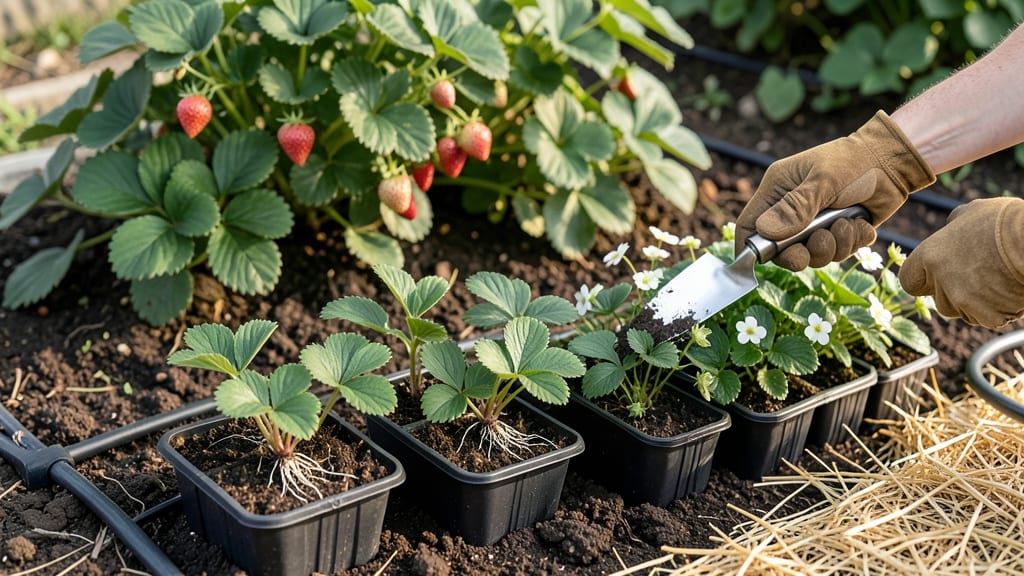
If you’ve ever dreamed of plucking ripe, juicy 🍓 strawberries straight from your Texas garden, timing is the game-changer—plant too early, and a late frost can turn your crop into a sad, wilted memory. Too late, and sweltering summer heat will leave your plants struggling before they even bear fruit.
But here’s the good news: with the right heat-tolerant varieties and precise planting deadlines, you can beat Texas’s extremes and enjoy homegrown strawberries year after year.
Texas’s diverse climate—from the chilly Hill Country to the steamy Gulf Coast—means there’s no one-size-fits-all answer. Whether you’re in North Texas where frost lingers into March or South Texas where heat arrives early, knowing your region’s frost-free window is critical.
I’ll break down the best planting times for fall and spring, so you can avoid the two biggest threats: freezing temps and scorching afternoons that stunt growth.
You don’t need to be a master gardener to succeed—just a few smart strategies. We’ll cover the top heat-tolerant varieties that thrive in Texas, how to prep your soil for maximum success, and even how to extend your harvest when summer rolls in.
Ready to turn your backyard into a strawberry paradise? Let’s get started.
The key to Texas strawberry success isn’t just picking the right time—it’s adapting to your microclimate. Whether you’re battling afternoon shade in the city or full sun in the countryside, these tips will help you grow stronger plants, bigger berries, and fewer headaches.
Let’s make this your most productive strawberry season yet.
Texas strawberry planting deadlines by region: avoid frost & extreme heat
Timing your strawberry planting in Texas is all about avoiding two extremes: late spring frosts that can kill tender new growth and blistering summer heat that stresses plants before they establish roots.
Texas spans multiple USDA hardiness zones (6a-10a), so your planting window depends on whether you're in North Texas, Central Texas, or the Gulf Coast. Let's break down the ideal deadlines by region to maximize your harvest.
For most Texas gardeners, fall planting (October-November) is the gold standard because it allows strawberries to establish roots before winter and produce fruit in early spring when temperatures are mild. However, spring planting (February-March) works in warmer regions like the Rio Grande Valley, where frost is rare.
The key is planting 6-8 weeks before your average last frost date—this gives plants time to root before extreme heat arrives.
Here’s the critical visual guide to Texas strawberry planting deadlines by region, including frost-free dates and heat-tolerant windows:
If you’re in North or Central Texas, aim for fall planting—this gives plants time to root before winter and produce fruit in spring when temperatures are perfect.
In South Texas or the Rio Grande Valley, you can plant as late as January for spring harvests, but be prepared for intense summer heat that may require shade cloth or afternoon watering.
For Hill Country gardeners, microclimates matter. Higher elevations (like Fredericksburg) may experience earlier frosts, so plant on the earlier side of the window. Meanwhile, lower elevations (like San Antonio) can handle slightly later plantings.
Always check your local Cooperative Extension Service for last frost dates—they’re your best resource for precise timing.
Pro tip: Use black plastic mulch to warm soil faster in spring
Best heat-tolerant strawberry varieties for Texas gardens: from shade to full sun
Texas’s brutal summers can turn strawberries into sad, wilted memories if you’re not planting the right varieties. The good news? Some strawberries are built for heat—thriving under Texas’s relentless sun while others struggle.
I’ve grown Chandler, Seascape, and Fort Laramie in my Austin garden, and these three consistently deliver sweet, juicy berries even when temps hit 100°F. Let’s dive into the best options for your Texas garden, whether you’re dealing with full sun or partial shade.
For full-sun spots (6+ hours of direct light), Seascape is my top pick—it’s a June-bearing variety that handles heat like a champ and produces berries from late spring through summer.
If you want a year-round harvest, Chandler (everbearing) is a game-changer, though it needs consistent watering to keep up with the heat. Both varieties also resist gray mold, a common Texas issue during humid summers.
In partial shade (4-6 hours of sun), Albion shines—it’s a day-neutral variety that produces berries in waves, making it perfect for extending your harvest. My neighbor in San Antonio swears by it for her afternoon-shaded patio garden, where other varieties would bolt in the heat.
Just remember: shade-loving strawberries still need bright morning light to set fruit properly.
If you’re planting in South Texas (Zones 9-10), Fort Laramie is a lifesaver—it’s bred to handle 100°F+ temps and still produce large, sweet berries. I planted it last year in my Edinburg garden, and even in July, the plants were thriving while my neighbor’s Chandler plants were wilting.
For North Texas (Zones 7-8), stick with Seascape or Albion—they handle the cooler springs and hotter summers better than traditional varieties.
Pro tip: Mulch heavily with straw or black plastic to keep roots cool and retain moisture. I’ve seen strawberry plants in Midland’s 110°F heat survive because of this simple trick.
Pair your variety with the right soil prep—Texas clay? Amend it with compost and sand to improve drainage—and you’ll be on your way to a bountiful harvest.
Ready to pick your perfect strawberry? Grab bare-root plants in fall (for spring harvests) or potted plants in early spring, and get them in the ground before the Texas heat peaks. Your taste buds—and your garden—will thank you!