
Plants
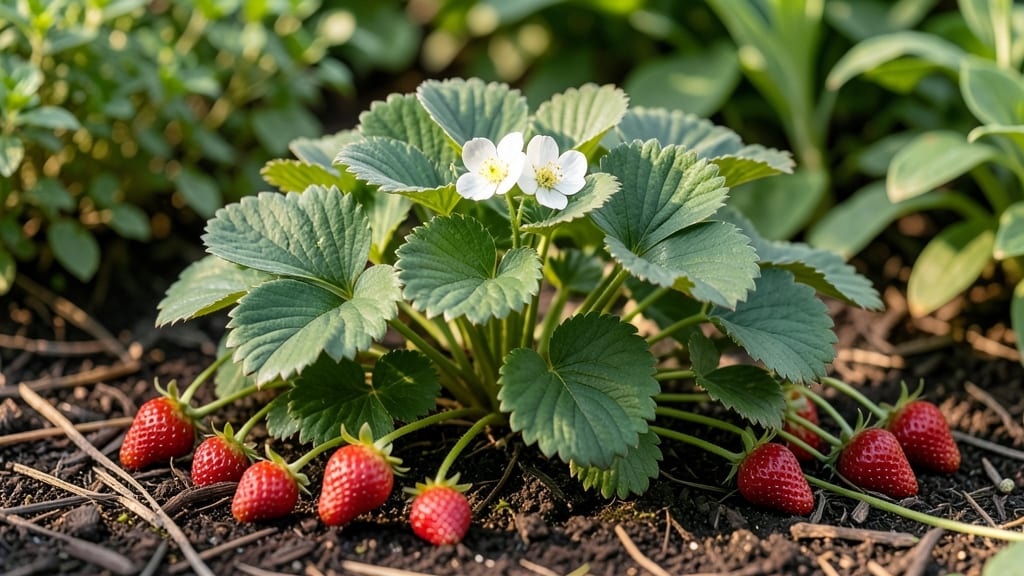
If you’ve ever wondered how tall does a strawberry plant grow, the answer might surprise you—these sweet little plants stay surprisingly compact, rarely reaching higher than your wrist. 🍓 Whether you’re planning a neat in-ground bed or a container garden, understanding their height helps you space them just right for maximum fruit without the chaos of sprawling vines.
Most strawberry varieties top out between 6 and 12 inches, but the real magic happens in how they grow. June-bearing types stay low and bushy, while everbearing varieties might stretch a little taller, especially if you let them send out runners.
The key? Knowing your variety’s habits lets you choose the perfect spot—whether that’s tucked between other plants or trained up a trellis for a tidy, high-yielding display.
Here’s the game-changer: height directly impacts how you cultivate them. Too much space? You’ll waste room. Too little? Crowding stresses the plants and cuts yields.
I’ll break down the exact spacing rules for each type, plus how to control overgrowth naturally—so you get plump berries without turning your garden into a jungle.
Ready to turn your strawberry patch into a well-organized, high-producing zone? Let’s dive into the heights, spacing, and support systems that’ll make your harvest effortless—and delicious.


Strawberry plant height by variety: Juniper vs. June-bearing vs. everbearing
Strawberry plants are famously low-growing, but their height can vary wildly depending on the variety and growing conditions. Most mature strawberries stay between 6 and 12 inches tall, but some alpine varieties creep just 2 inches off the ground, while sprawling June-bearers can reach 18 inches with runners.
Understanding these differences helps you plan spacing, supports, and even container choices for your garden.
If you're growing strawberries in containers, choose everbearing varieties like Albion or Seascape, which max out at 8 inches and stay compact. For in-ground beds, taller June-bearing types like Jewel or Chandler may need trellis support to keep their 12-18 inch runners off the soil and improve airflow.
Let’s break down the specifics by category.
📊 Height Comparison Table
Notice how June-bearing varieties tend to be the tallest, thanks to their aggressive runner production and larger leaf canopies.
These are the classic garden strawberries you’d find in farm stands, but they require more space and support. Everbearing and day-neutral types, like Ozark Beauty or Seascape, stay shorter and produce fruit in multiple harvests, making them ideal for small gardens or container growing.
For container gardening, prioritize everbearing varieties—their 6–10 inch height fits perfectly in 5-gallon pots or hanging baskets. If you’re using 10-inch containers, you can even squeeze in semi-dwarf June-bearers, but expect slightly smaller yields.
Always leave 1–2 inches of space between the plant’s crown and the container rim to prevent rot from overwatering.
One common misconception is that taller strawberry plants produce more fruit. In reality, height correlates with runner length, not berry size or quantity.
For example, Chandler (a June-bearer) might reach 18 inches but yield 1–2 lbs per plant, while Albion (everbearing) stays at 8 inches yet produces ½–1 lb per plant over multiple seasons. The key is matching your garden layout to the plant’s natural growth pattern.
If you’re growing strawberries in rows, space June-bearers 18–24 inches apart to accommodate their sprawl, while everbearers can be planted 12 inches apart. For hill planting (mounding soil around plants), even taller varieties like Jewel can thrive with just 12-inch spacing because their runners stay elevated.
This technique also reduces soil-borne diseases by keeping foliage off the ground.
Pro tip: If you’re unsure about your strawberry’s height potential, check the seed packet or nursery tag—most reputable sellers list mature height alongside days to maturity and yield expectations.
For example, Seascape might say “6–10 inches tall, 60 days to first fruit”, while Chandler will note “12–18 inches, 50 days to harvest”. This upfront info saves you from overcrowding or underutilized space later.
For vertical gardening, consider upright varieties like Juniper or Tristar, which grow 10–14 inches tall but produce fewer runners. Pair them with small trellises or cage supports to train their foliage upward, freeing up garden real estate for other crops.
This is especially useful in small urban gardens or balcony setups where space is limited.
Remember, pruning and training can influence height over time. For instance, pinching back new growth tips in June-bearing varieties can reduce their final height by 20–30% while encouraging bushier, more productive plants. We’ll dive deeper into height control techniques in the next section, but for
Optimal spacing and support systems for different strawberry heights
Strawberry plants may be small, but their spreading habits can transform your garden layout. The height of your strawberries directly impacts how you space them and whether you’ll need support systems.
For everbearing varieties, which stay compact at 6–12 inches tall, you can plant them just 12 inches apart in rows spaced 18 inches apart. This tight spacing works because their shorter stature keeps them from competing for sunlight.
In contrast, June-bearing strawberries—which can reach 12–24 inches tall—require 18–24 inches between plants and 30–36 inches between rows. Their taller growth habit and longer runners mean they’ll sprawl more, so giving them space prevents overcrowding and improves air circulation.
This reduces disease risks like gray mold and botrytis.
🌱 Spacing & Support Guide
- Everbearing: 12" apart, 18" rows | No support needed (low-growing)
- June-bearing: 18–24" apart, 30–36" rows | Straw mulch or low trellis for runners
- Day-neutral: 12–18" apart, 24" rows | Containers or hanging baskets for vertical growth
Pro Tip: Taller varieties benefit from vertical support to lift fruit off the ground and improve harvest access.
If you’re short on garden space, consider container gardening. Dwarf varieties like Alpine strawberries thrive in 6-inch pots, while standard June-bearing types need 12–18-inch containers with drainage holes.
Use lightweight potting mix and add compost to prevent root-bound stress. Containers also let you move plants to sunniest spots as seasons change.
For sprawling varieties, like Chandler or Seascape, a low trellis or wire frame (12–18 inches high) can train runners upward, saving space and making harvesting easier. Wrap runners gently with soft twine or use plastic lattice panels to guide growth.
This method works especially well in small gardens or urban balconies where horizontal space is limited.
Another space-saving trick is straw mulching. Spread a 2–3 inch layer of straw around plants to suppress weeds, retain moisture, and prevent fruit rot by keeping berries off damp soil.
Plus, the mulch acts as a natural barrier to deter slugs and pests. For taller varieties, mound soil slightly around the base to encourage upright growth and reduce sprawling.
Finally, remember that overcrowding leads to smaller berries and higher disease risk. If your strawberries start to outgrow their space, thin out excess runners in early spring to redirect energy to fruit production. This simple step can double your yield by ensuring each plant has enough nutrients and sunlight.