
Plants
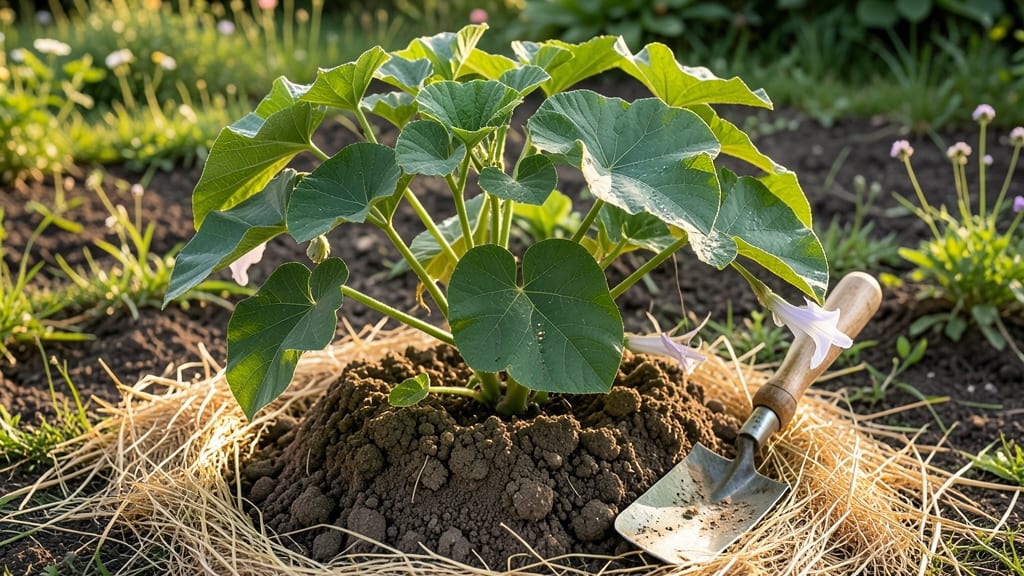
Knowing when to plant sweet potatoes in NC could mean the difference between a thriving harvest and wasted effort—especially since these heat-loving 🍠 tubers refuse to grow in cool soil.
Unlike other crops, sweet potatoes demand warmth, and planting them too early in North Carolina’s 7a-8b zones risks stunted growth or even rot.
Most gardeners in the Tar Heel State wait until after the last frost (typically mid-April), but the real secret lies in soil temperature.
You’ll want to plant sweet potato slips only when the ground reaches a steady 65°F—a rule that aligns with late April to early June for most of NC. This timing ensures strong root development before summer’s peak heat arrives.
If you’re growing slips from store-bought sweet potatoes, you’ll need to start them indoors 4-6 weeks before your target planting date. But don’t worry—even beginners can master this process with the right steps.
I’ll walk you through everything, from preparing slips to transplanting them in NC’s humid climate for maximum success.
By the time September rolls around, you’ll be harvesting sweet, vine-covered 🍠 tubers—just in time for fall feasts. Ready to turn your garden into a sweet potato powerhouse? Let’s get started.
Exact months to plant sweet potatoes in NC by growing Zone (5-8)
North Carolina’s USDA Zones 5-8 offer diverse climates, but sweet potatoes (Ipomoea batatas) demand heat and frost-free conditions. The ideal planting window spans from mid-April to mid-June, but exact timing depends on your zone and last frost date.
In Zone 5 (western NC mountains), wait until after May 15—frost can linger until early June. Meanwhile, Zones 7-8 (coastal and Piedmont) can start as early as mid-April once soil reaches 65°F.
Sweet potatoes thrive in warm soil, so resist the urge to plant early. Cold soil (below 60°F) stunts growth and invites rot. Use a soil thermometer to confirm readiness—65°F+ is your green light.
In Zone 6 (central NC), aim for late April to early May when nighttime temps stay above 55°F. Pro tip: Black plastic mulch warms soil faster, giving you a 2-week head start in cooler zones.
Here’s the zone-by-zone breakdown for NC gardeners, including last frost dates and soil temperature targets to avoid common mistakes like stunted slips or fungal diseases:
Missed the spring window? Don’t panic! Sweet potatoes handle late planting better than most crops. In Zones 7-8, you can still plant slips until July 1, though yields may drop. The key is soil warmth—if temps stay above 60°F, vines will grow.
Just extend your season with row covers or a low tunnel to protect from early fall frosts (which hit Zone 5 by October 15).
For NC’s humid climate, timing isn’t just about frost—it’s about disease prevention. Planting too early in Zone 7+ can lead to fungal issues like black rot or southern blight. My trick? Hardening off slips for 7–10 days before transplanting, even in warm zones.
This toughens vines and reduces shock. Pair this with raised beds in Zone 5 to improve drainage and soil warmth.
Pro harvest timing starts 90–120 days after planting, but don’t rush! Wait until vines yellow and die back—this signals tuber maturity. In Zone 8, you might harvest as early as September, while Zone 5 gardens should aim for late October before the first frost.
A late-September harvest in Zone 7 often yields larger tubers with sweeter flavor
How to prepare sweet potato slips for NC’s humid climate (Step-by-Step)
Growing your own sweet potato slips from store-bought tubers is the most reliable way to get a jumpstart in NC’s humid summers. Unlike seeds, slips are young plants that root quickly once soil warms up—perfect for our April-June planting window.
The key? Starting them indoors 4-6 weeks before your target transplant date to ensure they’re sturdy enough for NC’s heat and moisture.
I always use organic sweet potatoes from the grocery store (not pre-sprouted ones) to grow slips. Here’s how I do it: Place whole tubers in a shallow tray with just enough water to cover the bottom.
Keep them in a warm, bright spot (70-75°F) until sprouts appear—usually within 2-3 weeks. Once sprouts are 4-6 inches tall, carefully separate them and plant in small pots with well-draining soil.
Step-by-Step Guide to Growing Slips
- 🍠 Step 1: Choose tubers – Pick firm, disease-free sweet potatoes (organic works best).
- 💧 Step 2: Sprout in water – Place tubers in a tray with 1 inch of water; keep in warm, bright light.
- 🌱 Step 3: Wait for sprouts – Slips should emerge in 2-3 weeks; keep water fresh daily.
- ✂️ Step 4: Separate slips – Once slips are 4-6 inches tall, gently twist to separate from the tuber.
- 🪴 Step 5: Pot individually – Plant slips in small pots with sandy loam soil (mix garden soil with perlite).
- ☀️ Step 6: Harden off – Move pots outdoors for 2-3 hours daily 1 week before transplanting.
- 🌿 Step 7: Transplant – Plant slips 12-18 inches apart in warm soil (65°F+).
NC’s high humidity can cause slips to rot if overwatered, so I use pots with drainage holes and avoid soggy soil. After planting, I mulch heavily with straw or pine needles to retain moisture and prevent fungal diseases like black rot, which thrives in our damp climate.
Pro tip: If you’re short on time, many NC garden centers sell pre-grown slips in late April. Just be sure to check for healthy roots and avoid wilting leaves—a sign of poor storage or disease.
For best results, I recommend growing your own slips, as store-bought ones may not adapt as well to NC’s hot, humid summers.
Once your slips are hardened off and soil temperatures hit 65°F, it’s time to transplant them into your garden. Choose a sunny, well-drained spot with loose soil to encourage tuber growth.
In NC’s Zone 7a-8b, this usually falls between mid-April and early June, depending on your exact location.
Remember, sweet potatoes are heat lovers, so the earlier you can get them in the ground after the last frost, the better. With the right slips and timing, you’ll be harvesting sweet, vine-covered tubers by September or October—just in time for fall feasts! 🍠