
Plants
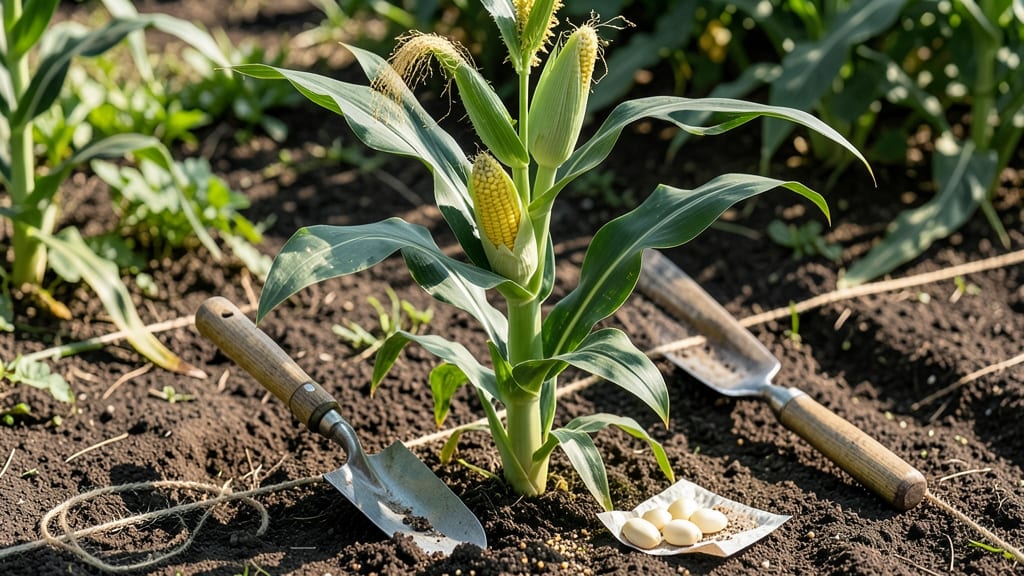
Timing your 🌽 sweet corn planting in Michigan isn’t just about avoiding frost—it’s about unlocking the full potential of your garden. Get it wrong, and you might end up with stunted plants or a harvest that never arrives.
But with Michigan’s 5b-6b zones, the ideal window shifts depending on whether you’re in the Upper Peninsula or down south.
Most gardeners wait until late April to mid-May, but the real secret lies in soil temperature. Corn needs warmth—at least 60°F—to germinate properly, and cold soils can leave you waiting weeks for those first green shoots. That’s why some growers use black plastic mulch to speed things up.
In this guide, I’ll break down exactly when to plant based on your local frost averages, which varieties thrive in Michigan’s short season, and how to stretch your harvest with succession planting.
Whether you’re a first-time gardener or a veteran with a few failed attempts under your belt, these tips will help you grow plump, sweet ears every time.
Ready to turn your garden into a cornucopia? Let’s dive into the frost-free planting schedule that works for your corner of Michigan—and why waiting just a little longer could mean the difference between a bountiful harvest and a disappointing one.
Michigan sweet corn planting dates by USDA hardiness Zone (2024 guide)
Michigan’s USDA Zones 4-6 create a tricky balance for sweet corn lovers—too early, and frost zaps tender seedlings; too late, and you’ll miss peak harvest. The average last frost date varies dramatically: Mid-April in Southern Michigan to late May in the Upper Peninsula.
But don’t rely solely on dates—soil temperature matters just as much.
Sweet corn needs soil temps of 60°F+ to sprout reliably. In Zone 5b (Southern Michigan), that typically means waiting until mid-to-late April.
Gardeners in Zone 6b (Southwest Michigan) can start as early as late March under row covers, but most wait until early April to avoid frost risk. The Upper Peninsula (Zone 4) often waits until late May for safety.
Pro Tip: Use a soil thermometer! Corn seeds won’t germinate below 50°F, and waiting for 60°F+ ensures strong starts. In cooler zones, consider black plastic mulch to warm soil faster—this can shave 1-2 weeks off your planting window.
🌱
| Zone & Region | Avg. Last Frost | Ideal Planting Window | Soil Temp Threshold | Harvest Window |
|---|---|---|---|---|
| Zone 6b (SW MI: Kalamazoo, Benton Harbor) | Mid-April | Late March–Early April (under cover) / Early April (outdoors) | 60°F+ | Late July–Early Sept |
| Zone 5b (SE MI: Detroit, Ann Arbor) | Early May | Mid-April–Late April | 60°F+ | Early Aug–Mid-Sept |
| Zone 5a (N MI: Traverse City, Grand Rapids) | Late April | Late April–Early May | 60°F+ | Mid-Aug–Early Sept |
| Zone 4 (UP: Marquette, Iron Mountain) | Late May | Late May–Early June | 65°F+ (longer season needed) | Late Aug–Sept |
For short-season varieties like ‘Ambrosia’ (60-day maturity), even Zone 4 gardeners can succeed by planting as early as possible and using row covers for extra warmth. Meanwhile, standard varieties (70-90 days) thrive in Zones 5b-6b when planted by mid-May at the latest.
🌽 Succession Planting Tip: In Zones 5b-6b, sow seeds every 2 weeks from April to June for a continuous harvest. This works because Michigan’s 150-day growing season is tight—spreading out plantings ensures you don’t get overwhelmed with ears all at once.
If you’re in Zone 4 or the UP, focus on early-maturing varieties (60-70 days) and consider starter plants (not seeds) for a head start. Transplants can tolerate cooler soils better than seeds, giving you a 2-week advantage.
💧 Watering Warning: Corn needs 1-2 inches of water weekly, but overwatering after planting can cause seeds to rot. Wait until sprouts appear before increasing moisture—this usually happens within 7-10 days if soil temps are ideal.
Remember: Michigan’s first frost typically arrives by mid-October, so plan to harvest by early September in cooler zones. For late-season varieties, use row covers to extend harvest by 2-3 weeks.
How to adjust planting time for early vs. late varieties of sweet corn
Michigan’s short growing season means choosing the right sweet corn variety can make or break your harvest. Early-season hybrids like ‘Ambrosia’ mature in just 60-65 days, while standard varieties like ‘Silver Queen’ need 70-80 days.
Planting the wrong type too late could leave you with underdeveloped ears before frost.
For early varieties, start seeds indoors 4-6 weeks before your last frost date (early April for most of Michigan). Transplant seedlings outdoors 2-3 weeks before the last frost, using black plastic mulch to warm the soil faster. This gives you a 3-week head start on the season.
Standard varieties should go directly into the garden 1-2 weeks after your last frost date, once soil temperatures hit 60°F. In USDA Zone 5b (Northern Michigan), this is typically mid-May, while Zone 6b (Southern Michigan) can start late April.
Here’s how to match varieties to your planting window:
| Variety Type | Days to Maturity | Planting Window (Zone 5b) | Planting Window (Zone 6b) |
|---|---|---|---|
| Early (e.g., 'Ambrosia') | 60-65 days | Indoors: April 1-15 | Outdoors: May 1-15 | Indoors: March 25-April 10 | Outdoors: April 20-May 5 |
| Standard (e.g., 'Silver Queen') | 70-80 days | Direct sow: May 15-30 | Direct sow: April 30-May 15 |
| Late (e.g., 'Peaches and Cream') | 85-95 days | Direct sow: May 1-15 (risky) | Direct sow: April 20-May 5 |
Succession planting is key in Michigan. For continuous harvests, sow early varieties every 2 weeks from late April through early June. Use row covers to extend the season by 2-3 weeks in fall, protecting plants until early October.
Pro tip: Plant short-season varieties in raised beds—they warm up faster and drain better, giving you an extra 10-14 days of growing time. Always check your seed packet for specific variety recommendations, as some perform better in Michigan’s cooler climates.
🌽