
Plants
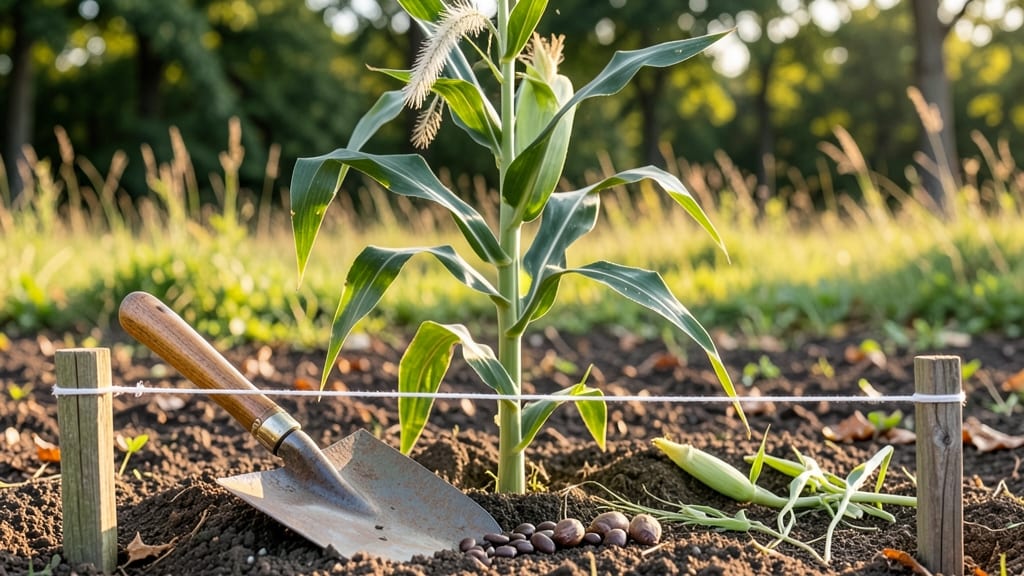
Timing your 🌽 corn planting in Illinois right can mean the difference between a thriving harvest and a disappointing loss—especially in USDA zones 5b-6a where frost lingers longer than you’d expect.
Most gardeners in Illinois start planting mid-April to early June, but waiting until after the last frost date (usually around April 15) is the key to avoiding frost damage.
The soil needs to warm to at least 50°F for seeds to germinate properly, and rushing too early can leave your crop vulnerable to late-season cold snaps.
Whether you're a seasoned farmer or a backyard gardener, getting the timing right isn’t just about the calendar—it’s about understanding your local microclimate. From northern Illinois’ cooler springs to the slightly warmer southern regions, small adjustments can make a big difference in your yield.
In this guide, I’ll break down the best planting windows, how to adjust for early or late seasons, and which corn varieties thrive in Illinois’ unpredictable weather. Let’s make sure your next harvest is your best yet!
Illinois corn planting dates by region: frost-free Zone calculator
Timing your corn planting in Illinois depends heavily on your USDA hardiness zone and last frost date. Northern Illinois (Zone 5b) has a much shorter growing season than Southern Illinois (Zone 6a), so planting windows vary dramatically.
For peak yields, aim to plant when soil temperatures hit 50°F and stay above 60°F consistently.
Most Illinois gardeners start corn seeds indoors 4-6 weeks before the last expected frost date. However, direct sowing is common once the soil warms up.
In Northern Illinois, this typically means mid-April to early May, while Southern Illinois can plant as early as late March to mid-April.
🌽 Pro Tip: Use a soil thermometer to confirm readiness—corn roots struggle in cold soil. The Illinois State Climatologist tracks frost dates annually, so check their updates if you're unsure.
For maximum yield, plant corn in blocks (not rows) to ensure cross-pollination. In Northern Illinois, focus on early-maturing varieties (60-75 days) to avoid late-season frosts. Southern Illinois gardeners can afford slightly longer varieties (75-90 days) thanks to warmer soils.
🌡️ Critical Factor: Corn won't germinate below 50°F. If your soil is colder, use black plastic mulch or a cloche to warm it faster. The University of Illinois Extension recommends waiting for soil temperatures above 60°F for optimal growth.
If you're in Zone 5b, consider staggered planting every 2 weeks to extend your harvest window. This works especially well for sweet corn varieties, which mature faster than field corn. For example, plant 'Silver Queen' in early May and 'Peaches and Cream' in mid-May for a continuous supply.
🚨 Warning: Planting too early risks seed rot from cold, wet soils. If your area experiences late frosts (common in Northern Illinois), wait until after May 1 to plant. Use the National Weather Service's frost prediction maps as a guide.
For container growing, adjust your timeline by 2-3 weeks earlier since pots warm faster. However, containers dry out quicker, so water consistently and use a moisture meter to monitor soil conditions.
In Southern Illinois, you can even try a fall planting (late July) for a late harvest, but choose fast-maturing varieties like 'Early Sunglow'.
📅 Harvest Timeline: Most Illinois corn varieties take 75-90 days to mature. If you plant in late May, expect harvests in late July to early August. For Northern Illinois, this is your only reliable window—don't push it!
How to adjust corn planting dates for early or late seasons
Illinois’ unpredictable spring weather can throw off even the best-laid planting plans. If you’re dealing with late frosts or unseasonably warm early springs, don’t panic—corn is adaptable! The key is adjusting your planting timeline and choosing the right corn varieties for your specific conditions.
I’ve learned that flexibility is just as important as following the calendar.
For late-season planting, focus on short-season varieties that mature quickly (like ‘Early Sunglow’) and use row covers to protect young plants from unexpected frosts. These varieties can still thrive if planted as late as mid-June, giving them enough time to reach maturity before the first frost.
Just be prepared to monitor weather forecasts closely during those critical first few weeks.
🌽
- 1. Use cold-tolerant varieties: Choose ‘Bodacious’ or ‘Silver Queen’—they handle cooler soils better than standard types.
- 2. Warm the soil: Cover beds with black plastic 1-2 weeks before planting to raise soil temperature to 50°F+.
- 3. Extend the season: Plant succession crops every 2 weeks in May-June for continuous harvests.
- 4. Protect seedlings: Use frost cloth or row covers for early planting (remove when plants are 6” tall).
- 5. Adjust spacing: Plant denser rows (12” apart) for late plantings to maximize ear production.
If you’re planting early in Illinois, aim for late March to early April but only if your soil is workable and frost risk is low. I’ve found that soil thermometers are worth their weight in gold here—corn won’t germinate well in cold soil (below 50°F).
For extra insurance, try starter fertilizer with thiamin to boost early growth and help seedlings push through cooler conditions.
Another trick I’ve used is interplanting corn with fast-growing crops like radishes or lettuce. This way, if your corn struggles with late frosts, you’ll still have a harvest from the companion plants. Plus, it breaks up the monotony of waiting for those tall stalks to emerge!
Remember, late plantings won’t produce as many ears, but with the right variety and care, you can still get a decent harvest. For example, ‘Peaches & Cream’ is a sweet corn that tolerates heat well, making it ideal for June plantings.
Just be prepared to water deeply and mulch heavily to compensate for the shorter growing season.
Don’t let Illinois’ unpredictable climate discourage you—corn is resilient, and with these adjustments, you can extend your planting window by weeks. The key is staying flexible and ready to adapt. After all, even the best gardeners have years where the weather throws them a curveball! ☀️