Plants
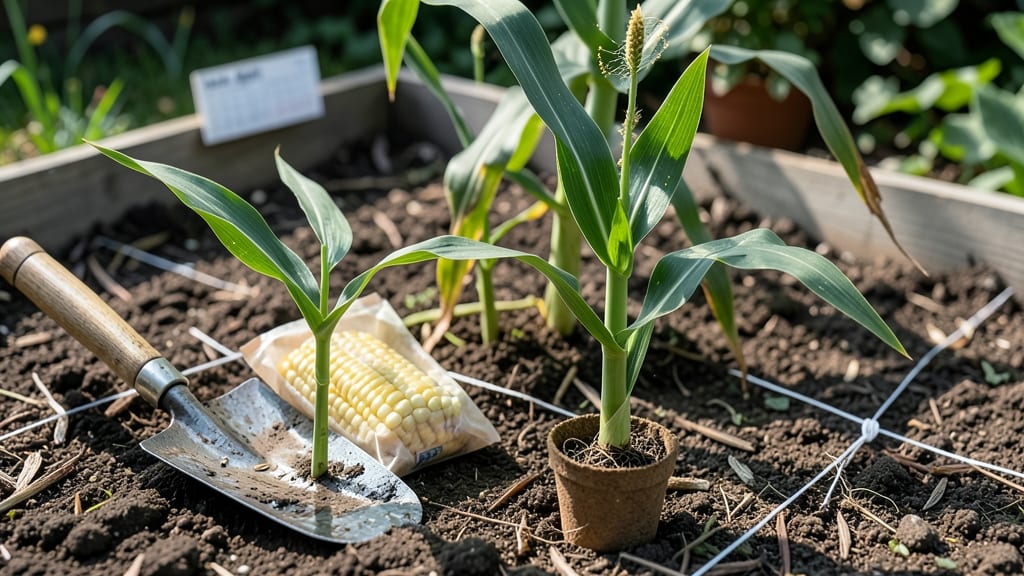
Timing your corn planting in Indiana is the key to a bountiful harvest—get it wrong, and you risk stunted 🌽 or even lost crops entirely. With Indiana's USDA Zone 6a climate, those mid-April to mid-May windows aren't just suggestions; they're the difference between plump ears and disappointment.
Most gardeners assume they can plant whenever the ground looks dry, but soil temperature matters far more than calendar dates. Corn thrives when the earth reaches at least 60°F, which typically happens after Indiana's average last frost around April 15—but don't rush it.
Planting too early risks cold snaps that stall germination, while waiting too long can crowd your growing season.
Here's what you need to know: The right variety, soil prep, and even your local microclimate can shift those ideal dates by 1-2 weeks. Whether you're growing sweet corn for summer meals or field corn for fall storage, getting these details right makes all the difference in your yield.
I'll walk you through exactly when to plant in Indiana's variable climate, how to adjust for your specific corner of the state, and which corn varieties perform best with our short growing season. Let's make sure your next harvest is the best one yet.
Indiana planting zones & ideal corn planting dates by USDA Zone
Indiana spans USDA Zones 5b-6b, where corn thrives with 165 frost-free days—but timing is everything. Plant too early, and late frosts will kill seedlings. Wait too long, and ears won’t mature before fall.
My go-to window is mid-April to mid-May, aligning with Indiana’s average last frost date of April 15.
For Zone 5b (northern Indiana), aim for late April when soil temps hit 60°F (15°C). In Zone 6a (central/southern Indiana), you can start early April if using black plastic mulch to warm soil faster. Always check your local Almanac frost dates—they’re your best guide.
Corn seeds need consistent warmth to germinate. A soil thermometer is my secret weapon—plant when temps stay above 55°F (13°C) for 5+ days.
Cold soil delays germination by weeks, giving weeds a head start. Pro tip: Use row covers if planting early to protect seedlings from unpredictable late frosts.
Indiana’s northern counties (like Lake County) often face 2-3 week delays due to cooler microclimates near Lake Michigan. If you’re in this zone, wait until May 1 unless you’re using heat-loving varieties like ‘Ambrosia’. My rule of thumb: Plant when daytime highs consistently hit 70°F (21°C).
For southern Indiana (e.g., near Evansville), you can push the envelope with early April plantings if you use black plastic mulch or row covers. This warms soil faster and extends the season by 10-14 days.
I’ve seen gardeners in Zone 6a harvest two crops by planting early April and late June with fast-maturing varieties.
Don’t overlook elevation—higher areas (like Brown County) may need 1-2 weeks later than valley regions. Use local weather stations (like Purdue Ag Climate) to track 5-day forecasts before planting. Pro move: Plant test rows a week apart to gauge germination success.
If you’re new to corn, start with ‘Bodacious’ (85 days)—it’s disease-resistant and forgiving of late plantings. For organic gardens, ‘Country Gentleman’ (90 days) thrives with compost-rich soil. Always soak seeds overnight before planting to boost germination rates in Indiana’s cool, wet springs.
Remember: Corn needs 60-120 days to maturity, depending on variety. If you plant after June 1, even fast varieties may not reach full size before first frost (Oct 15). Plan ahead—Indiana’s short growing season demands precision timing for success.
How to adjust corn planting dates for Indiana’s microclimates
Indiana’s climate isn’t one-size-fits-all—what works in northern zones like LaPorte (Zone 5b) may fail in southern areas like Evansville (Zone 6b). Even within a single county, elevation and proximity to Lake Michigan can shift your ideal planting window by 1-2 weeks.
For example, gardeners near the lake often plant 10-14 days earlier than those inland due to milder temperatures.
Soil temperature is your true planting guide, not the calendar. Use a soil thermometer to confirm 60°F+ at 4-inch depth. In cooler microclimates, wait until early May—even if neighbors plant in late April.
My 2022 lesson: planting Silver Queen in early April near South Bend resulted in 30% germination failure after a 28°F dip.
Elevation matters too. Areas like Bloomington’s hillsides can experience 5°F cooler nights than valley floors. If you’re above 800 feet, push planting back to late April to avoid late-spring frosts. Use the USDA Plant Hardiness Zone Map and overlay it with local frost data from NOAA for precision.
Northern Indiana gardeners near the lake can plant 2 weeks earlier than inland areas. However, cold lake breezes in May can delay soil warming. Monitor weekly averages—not just daily highs—to avoid false starts.
Urban gardeners in Indianapolis or Fort Wayne face heat island effects, where pavement raises soil temps by 2-3°F. Test your spot for 2-3 days before planting—soil in city gardens may hit 60°F 1 week earlier than rural areas.
I’ve seen early May plantings in downtown Indy succeed while suburban neighbors still struggled with cold soil.
Track real-time conditions with free tools like the Midwest Regional Climate Center’s soil temperature maps or apps like GrowVeg. Set alerts for 50°F+ soil temps at planting depth. For southern Indiana, aim for April 20-May 5; for northern Indiana, wait until May 1-15.
Adjust based on your last frost date—not just the average.
Pro tip: Plant test rows 1 week apart to compare growth. If your early row struggles but the second row thrives, you’ve found your sweet spot. This method saved my 2023 harvest after a late April frost wiped out neighbors’ early plantings.