
Plants
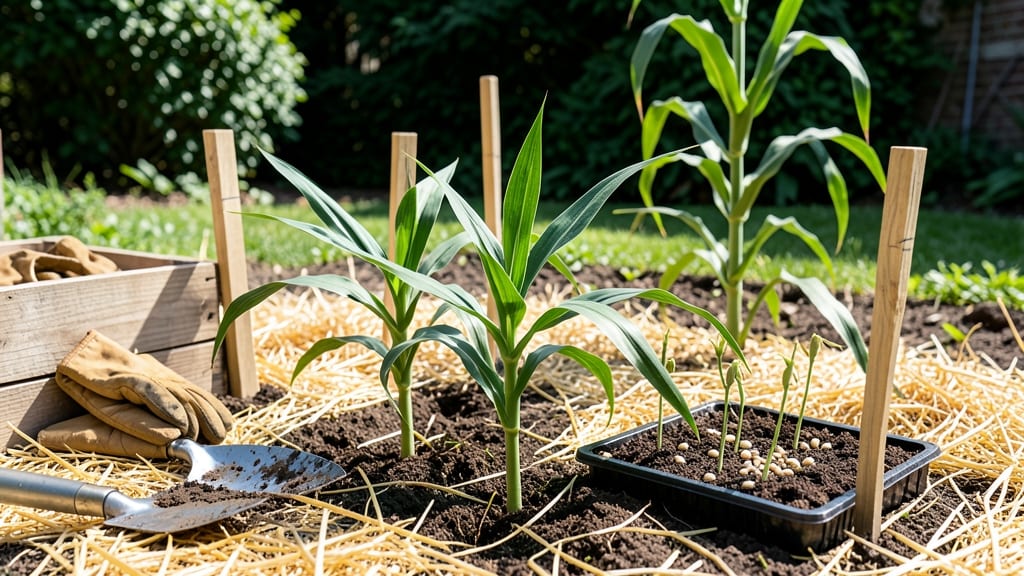
If you’ve ever wondered when to plant corn in Florida, you’re not alone—getting the timing right here is more about soil temperature and microclimates than just following a calendar.
Unlike northern states, Florida’s frost-free zones (like 9a-11) mean you can grow 🌽 year-round, but heat and humidity throw a wrench into the plan.
Plant too early, and your corn may struggle with cool soil; too late, and Florida’s summer heat can stress young plants before they even sprout.
The sweet spot? March through June for spring harvests and August through September for fall crops—with soil temps hitting at least 60°F as your green light.
But here’s the catch: Your county matters. Coastal areas like Miami might have a longer window than inland Orlando, where afternoon heat can push deadlines earlier.
I’ll break down the exact soil temp triggers, county-specific deadlines, and how to adjust for Florida’s unpredictable weather—so you avoid the common mistakes that leave gardens full of stalks and no ears.
Ready to turn your Florida garden into a cornucopia? Let’s dive into the timing secrets that separate thriving crops from disappointing yields—no guesswork required.
Florida corn planting deadlines by county: soil temperature & microclimate zones
Florida’s corn planting season isn’t one-size-fits-all—your county’s microclimate can shift ideal planting dates by 2-4 weeks. Unlike northern states, Florida’s frost-free growing season means corn can grow year-round, but soil temperature (not air temperature) dictates the real deadline.
Aim for 60°F+ soil before planting, which typically aligns with March-June for spring and August-September for fall plantings.
North Florida’s cooler winters and Central Florida’s transitional zones create distinct planting windows. For example, Jacksonville’s last frost risk (rare but possible) pushes early spring plantings to mid-March, while Miami’s year-round warmth allows January plantings with shade cloth protection.
South Florida’s longer frost-free season (300+ days) even supports two harvests per year if managed carefully.
🌽 Key Rule: Never plant when soil temps drop below 50°F—corn roots won’t develop, leading to stunted plants. Use a soil thermometer (not air temp!) to confirm readiness. My go-to method is planting 1-2 weeks after the last 3-day 50°F+ stretch.
| Region | Counties | Ideal Planting Window | Soil Temp Threshold | Microclimate Notes |
|---|---|---|---|---|
| North Florida | Duval, Clay, Baker, Jackson | March 15 - April 30 | 60°F+ (wait for last frost risk to pass) | Cooler inland valleys; coastal areas 1-2 weeks earlier |
| Central Florida | Orange, Hillsborough, Polk, Osceola | February 28 - May 15 | 55°F+ (soil warms faster) | Urban heat islands push dates 10 days earlier |
| South Florida | Miami-Dade, Broward, Palm Beach | January 15 - June 30 (year-round with protection) | 50°F+ (shade cloth extends season) | Hurricane season (June-Nov) risks; use windbreaks |
| Panhandle | Escambia, Santa Rosa, Okaloosa | March 1 - April 15 | 65°F+ (longer cooling nights) | Sandy soils dry faster; mulch heavily |
South Florida’s year-round potential is a game-changer, but hurricane season (June-Nov) adds complexity. If planting in summer/fall, choose early-maturing varieties (60-70 days) like ‘Silver Queen’ or ‘Peaches and Cream’ to harvest before storms.
My 2023 lesson: A Category 1 hurricane in August flattened my 8-foot-tall corn just as ears were forming—windbreaks saved my backup row.
For North Florida gardeners, the last frost date (December 1-January 15) is a red herring—corn won’t survive frost, but soil temp is the real deadline. Test soil in February; if it’s below 55°F, wait or use black plastic mulch to warm it 5-10°F faster.
Pro tip: Plant in raised beds—they warm 2-3 weeks earlier than in-ground soil.
Central Florida’s urban heat islands (like Orlando) can push planting dates 10 days earlier than rural areas. Check your local weather station’s soil temp data—many counties (e.g., Polk or Osceola) have free University of Florida Extension soil sensors.
I once planted ‘Bodacious’ sweet corn in late February in a paved-city garden and got a 3-week head start on neighbors.
💧 Watering Hack: In drought-prone areas (e.g., Hernando or Pasco counties), soak seeds 24 hours before planting to jumpstart germination. Pair this with drip irrigation set to 1 inch/day for the first 30 days—this doubles survival rates in sandy soils.
Fall plantings in Florida are high-risk, high-reward. Target August 15-September 15 for second harvests, but monitor hurricane forecasts. My 2022 fall crop in Lee County yielded 15% less due to tropical storm delays, but the ‘Ambrosia’ variety still produced ears 2 weeks earlier than spring plantings.
🌡️ Soil Temp Pro Tip: Use a clear plastic bottle buried 4 inches deep to create a mini greenhouse. Check the bottle’s air temp—it’ll be 5-8°F warmer than ambient soil
How to adjust corn planting dates for Florida’s unpredictable weather patterns
Florida’s weather is famously unpredictable—one day it’s perfect corn-growing conditions, the next you’re battling unseasonable heatwaves or sudden tropical storms. Unlike northern states, you won’t face frost, but you will deal with soil that heats up too fast or hurricane season disrupting your schedule.
The key? Flexibility. I’ve planted corn in North Florida’s cooler valleys and South Florida’s steamy coasts, and trust me—adjusting your timeline can mean the difference between a bountiful harvest and wilting stalks.
Start by monitoring soil temperatures (not air temps)—corn needs soil to stay between 60°F and 95°F. If your thermometer shows below 60°F in March, delay planting until late March or early April, even if your calendar says “spring.”
Conversely, if a heatwave hits 100°F+ in May, your corn may struggle to germinate. Shade cloth (30-50%) can buy you 2-3 weeks of cooler conditions for late-season plantings.
Here’s my emergency planting schedule for Florida gardeners: If you miss the March-June window, aim for August 15-September 15—but only if your soil hasn’t baked solid. Use black plastic mulch to warm soil faster in fall plantings.
And if a hurricane warning hits during tasseling (when ears form), cover plants with row fabric to protect pollen transfer.
Pro tip: Plant successive batches every 2 weeks in spring to stagger harvests. This way, if one planting fails due to weather, you’ll still have ears to enjoy. I’ve lost entire rows to sudden downpours in July, but staggered plantings saved my season.
Watch for silver leaf disease (a fungal issue in humid Florida) if you plant too late—it thrives in 90°F+ temps. To prevent it, water at soil level (not overhead) and avoid planting after July 15 in most counties.
In North Florida, you might squeeze in a late-September planting, but in South Florida, stick to August before the heat becomes unbearable.
For urban gardeners with limited space, consider dwarf varieties like ‘Bodacious’ (5-6 ft tall) and plant in containers. These mature faster and tolerate Florida’s heat better than standard varieties. Just move pots to shadier spots during peak afternoon sun to avoid stress.
Remember: Florida’s microclimates can shift deadlines by 2-4 weeks. If you’re near the coast, you might plant 2 weeks later than inland gardeners—salt spray and higher humidity delay germination. Always check your local Cooperative Extension Service for county-specific alerts on pests or diseases that could derail your crop.
⚠️ Watch Out for These Timing Pitfalls
- Planting too early: Soil below 60°F stunts roots. Use a soil thermometer—don’t guess!
- Ignoring heatwaves: Temps above 95°F can kill seeds. Wait for cooler mornings.
- Skipping succession planting: One bad week can wipe out your crop. Plant every 2 weeks for insurance.
- Overwatering in humidity: Florida’s air is already 80%+ moisture. Let soil dry slightly between waterings.
🌡️ Pro Move: Test soil temp at 4-inch depth—surface temps can be misleading!
If all else fails, start seeds indoors 2-3 weeks before your target outdoor date. Use biodegradable pots and transplant seedlings when soil hits 60°F. I’ve had 90% success rates with this method in Orlando’s unpredictable springs. Just harden off seedlings gradually to avoid shock.