
Plants
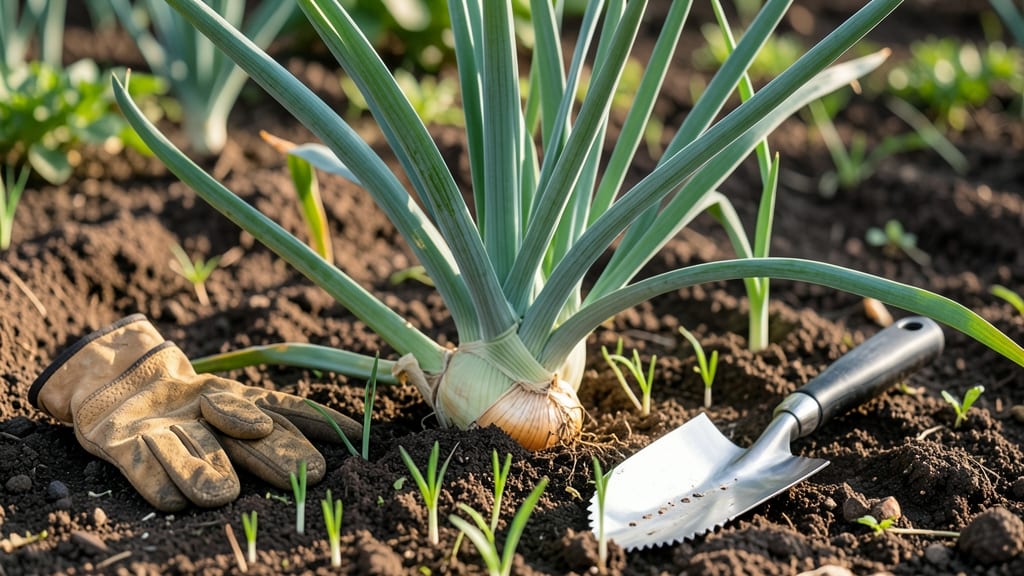
When do you plant onions in Michigan? Timing your 🧅 onion plantings can mean the difference between a thriving garden and wasted effort. Whether you're a seasoned gardener or just starting, getting the months right—between March-April for spring or August-September for fall—is critical for avoiding frost damage and maximizing your harvest.
Michigan’s 5b-6b climate throws a curveball with its unpredictable frosts, but the key is planting onions when soil temperatures hit 40°F and staying ahead of the last frost date. Too early, and your seedlings will bolt; too late, and you’ll miss the sweet bulbs you’ve been dreaming of.
I’ll break down exactly when to plant—whether you’re using seeds, sets, or transplants—and how to adjust for your specific corner of the state. With the right timing, you’ll be pulling up plump, flavorful onions by June or September, ready for everything from soups to sandwiches.
Let’s dive into the perfect planting schedule so you can stop guessing and start growing like a pro. Your future meals—and your garden’s success—will thank you.
Michigan onion planting calendar: best months for spring vs. fall planting
Michigan’s USDA zones 5b-6b mean gardeners must balance frost dates with soil warmth for successful onion planting. The last spring frost typically hits mid-April, while the first fall frost arrives around mid-October.
These dates create two ideal planting windows: early spring (March-April) and late summer (August-September) for fall harvests.
Spring-planted onions need 120-150 days to mature, so timing is critical. Onion sets (small bulbs) can handle cooler soils, while seeds require 50°F+ soil temperatures to sprout.
Fall plantings, on the other hand, rely on onions’ cold-hardiness—many varieties like ‘Sweet Sandwich’ or ‘Yellowstone’ can overwinter and produce bulbs the following summer.
Here’s how Michigan’s microclimates affect planting: Northern regions (e.g., Traverse City) have shorter growing seasons, so prioritize early spring or late summer plantings. Southern areas (e.g., Detroit) can extend fall planting into early October if frost isn’t imminent.
Soil temperature is non-negotiable. Use a soil thermometer to confirm 40°F+ for sets or 50°F+ for seeds. In cold springs, opt for transplants or greenhouse-started seeds to avoid delays. For fall plantings, aim to harvest before first frost—typically by late September in most of Michigan.
Pro tip: Adjust for early frosts by choosing shorter-day onions (e.g., ‘Copra’ or ‘Stuttgarter’) for fall plantings. These varieties mature faster in cooler conditions, reducing frost risk.
For spring plantings, start onion sets (pre-grown bulbs) 4-6 weeks before the last frost. This gives them a head start in cooler soils.
If using seeds, begin indoors 8-10 weeks before transplanting outdoors. Hardneck onions (e.g., ‘Potawatomi’) are ideal for Michigan—they thrive in cold snaps and produce flavorful tops for cooking.
Fall plantings require earlier-maturing varieties to avoid winter kill. Short-day onions (like ‘1891’) are perfect—they bulb up quickly in shorter daylight of late summer. Plant 8-10 weeks before your first frost date to ensure harvest before ground freezes.
In northern Michigan, aim for late August plantings; in southern regions, early September works.
Don’t overlook soil preparation. Onions prefer well-draining, slightly acidic soil (pH 6.0-7.0). Amend heavy clay soils with compost or sand to improve drainage. A 3-inch layer of mulch (straw or shredded leaves) helps retain moisture and regulate soil temperature—critical in Michigan’s volatile springs.
Remember: Onions are cool-season crops, but they hate soggy soils. Space rows 12-18 inches apart to allow airflow and prevent fungal diseases like downy mildew. In container gardens, use 5-gallon pots with fast-draining mix for reliable harvests.
For a year-round supply, stagger plantings: early spring for summer harvests, late summer for fall harvests, and fall for next year’s crop. With Michigan’s short growing season, this strategy maximizes your onion yield and ensures fresh bulbs year-round.
How to choose between onion seeds, sets, and transplants for Michigan gardens
Deciding whether to grow onions from seeds, sets, or transplants can feel overwhelming, but Michigan’s climate makes this choice especially critical. Onion sets (small bulbs) are my go-to for beginners—they’re cold-hardy and sprout quickly in 40°F+ soil. Seeds, on the other hand, take longer to mature (120-150 days) and need warmer soil (50°F+) to germinate, making them riskier in cool springs. Transplants strike a balance, offering a head start but requiring more upfront care.
For spring plantings, I recommend onion sets like ‘Sweet Sandwich’ or ‘Texas Early White’. They’re frost-tolerant and ready to harvest in 90-100 days, perfect for Michigan’s short season.
If you’re patient and want variety, seeds let you grow heirloom varieties like ‘Potawatomi’, but start them indoors in February to avoid delays. Transplants (young plants) are ideal if you’re planting late spring or in containers—they bypass the slow seedling stage.
Fall plantings? Sets and transplants win. Short-day onions (e.g., ‘Copra’) bulb up faster in shorter daylight, so sets give you a 3-4 week advantage over seeds.
I’ve had success with late August plantings of ‘Red Baron’ sets in southern Michigan, harvesting before frost. Seeds planted in fall rarely mature in time—save them for spring.
Here’s a quick Michigan-specific breakdown of your options:
✅ Pros:
- Ready to plant 4-6 weeks before last frost
- Cold-hardy (survives 32°F+ soils)
- Faster harvest (90-100 days)
- Less weeding (pre-grown bulbs)
❌ Cons:
- Limited variety (mostly sweet/white onions)
- Smaller bulbs than seed-grown
- Short shelf life (store-bought sets may sprout early)
✅ Pros:
- Wide variety (heirloom, hardneck, etc.)
- Larger bulbs over time
- Longer storage life
- Cheaper per plant (bulk seeds)
❌ Cons:
- Slow start (needs 50°F+ soil)
- Longer season (120-150 days)
- More pests/diseases (thin seedlings)
- Requires indoor start in Michigan
✅ Pros:
- Faster than seeds (60-80 days to harvest)
- Bigger bulbs than sets
- Good for late plantings
- Less weeding (established roots)
❌ Cons:
- Expensive (nursery-bought)
- Limited availability (seasonal)
- Transplant shock risk if not hardened off
If you’re new to gardening, start with onion sets—they’re forgiving and reliable. For experienced gardeners wanting bigger yields, try seeds started indoors in February or transplants for a mid-summer boost.
Pro tip: Save seeds from your best hardneck onions (like ‘Candy’) for next year’s heirloom crop—they’re Michigan-tested and cold-resistant.
For container gardens, transplants are your best bet—plant 3-4 per 5-gallon pot with well-draining mix. If using seeds, sow 3-4 per pot and thin to the strongest. Never overcrowd onions—they need space to bulb. In ra