Companion Plants
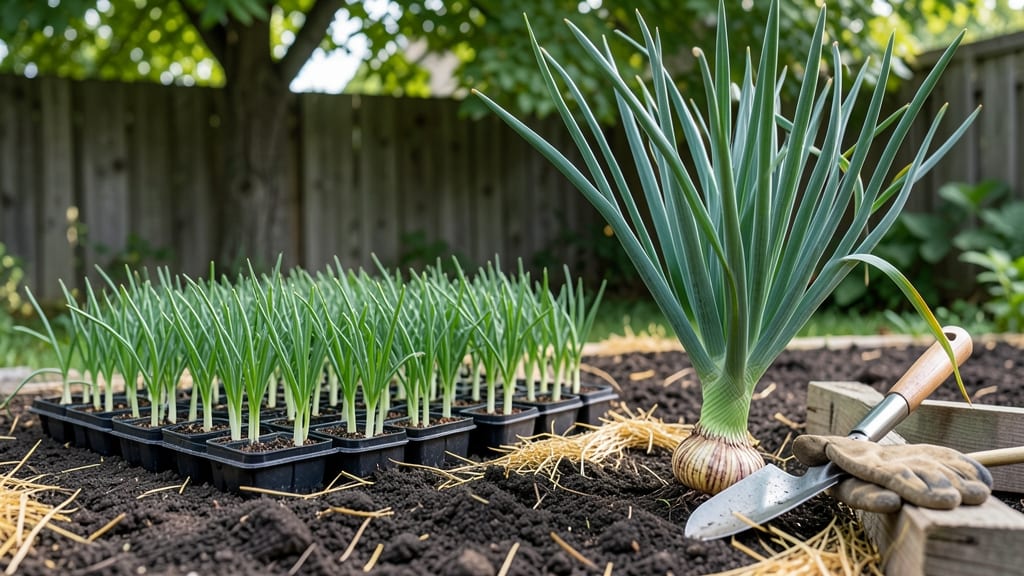
Figuring out when to plant onions in Zone 6 can feel like solving a puzzle—one wrong move, and your 🧅 harvest might bolt or flop. The good news? With the right timing, you’ll enjoy crisp, flavorful onions straight from your garden, not the store.
Zone 6’s unpredictable springs and late frosts make planting tricky, but the key is starting 4-6 weeks before your last frost date. That means early March or late February for most gardeners in 6a-6b. Whether you’re using sets or seeds, getting this window right ensures strong, healthy starts.
I’ve tested both spring and fall planting in my own garden, and the results speak for themselves. Spring planting gives you a head start, while fall options (like late-summer sets) can extend your harvest into next year. Let’s break down the exact weeks and strategies to maximize your onion yield.
Ready to avoid common mistakes and grow onions that rival the grocery store? I’ll walk you through soil prep, variety choices, and how to handle Zone 6’s quirks—so you can enjoy a harvest from July through September (or even next spring).
Exact weeks before last frost to plant onions in Zone 6
Onions are one of those versatile vegetables that thrive in Zone 6 when planted at the right time. For the best results, aim to plant 4-6 weeks before your last frost date, which in Zone 6 typically falls around April 15.
This window ensures your onions establish strong roots before the soil warms too much, preventing bolting (when onions flower prematurely).
You have two primary planting options: sets (small bulbs) or seeds. Sets are easier for beginners and faster to grow, while seeds give you more variety but require more patience. Spring planting is the most common approach, but fall planting is also possible for certain varieties.
Let’s break down the exact timing for each method.
| Planting Method | Zone 6 Planting Window | Key Notes |
|---|---|---|
| Onion Sets | March 15 - April 15 (4-6 weeks before last frost) | Cold-hardy; ready to harvest in 90-120 days. Best for short-day varieties. |
| Onion Seeds | March 1 - April 1 (6-8 weeks before last frost) | Slower start; requires 120-150 days to mature. Ideal for long-day varieties. |
| Fall Planting (Sets Only) | August 15 - September 15 (8-10 weeks before first frost) | Harvest next spring; best for storage onions. Avoid in wet climates. |
For spring planting, focus on short-day onions like 'Texas Early White' or 'Yellow Granex', which mature quickly in Zone 6’s cooler climate. These varieties are less likely to bolt in the heat.
If you’re planting seeds, start them indoors 6-8 weeks before your last frost to give them a head start.
Zone 6’s unpredictable spring weather can throw off your timing, so always check your local frost dates using resources like the Old Farmer’s Almanac or your local cooperative extension office.
A late frost can delay planting, while an early warm spell might trick onions into bolting if planted too late.
If you’re unsure about your last frost date, use a simple trick: plant a few extra sets 2 weeks later than recommended as a backup.
This way, you’ll still have a crop even if spring takes its time to arrive. Microclimates also play a role—low-lying areas may frost later than hilltops, so adjust accordingly.
For fall planting, choose varieties like 'Sweet Spanish' or 'Red Baron', which store well over winter. Plant them 8-10 weeks before your first frost (around August 15 in Zone 6) to ensure they mature before cold sets in. Mulch heavily to protect them from winter fluctuations.
One common mistake is planting onions too early in cold, wet soil. Onions prefer well-draining soil with temperatures above 40°F. If your soil is still frozen or soggy, wait until it warms up and dries out slightly.
You can test soil readiness by pressing your finger into the ground—if it crumbles easily, it’s ready.
Pro tip: Mark your planting dates on a garden calendar or use a planting reminder app to stay on track. Consistency is key, especially in Zone 6 where weather can shift quickly. With the right timing, you’ll enjoy homegrown onions all season long!
Exact weeks before last frost to plant onions in Zone 6
In Zone 6, your last frost date typically falls around April 15, but this can shift by 1-2 weeks depending on your microclimate. To grow strong onions, plant 4-6 weeks before this date, which means aiming for early to mid-March.
This window gives seedlings enough time to establish roots before warmer weather triggers rapid growth.
Onions are cool-season crops, so they thrive when soil temperatures hover between 40°F and 65°F. Planting too early in cold soil can stunt growth, while waiting too long risks bolting (premature flowering).
For Zone 6a, start in late February to early March, while Zone 6b gardeners can wait until mid-March.
| Planting Method | Best Planting Window | Depth | Spacing |
|---|---|---|---|
| Sets (small bulbs) | 4-6 weeks before last frost (early March) | 1 inch deep | 4-6 inches apart |
| Seeds | 8-10 weeks before last frost (late February) | ½ inch deep | 6-12 inches apart |
| Fall Planting (sets) | Late August (harvest next spring) | 1 inch deep | 4-6 inches apart |
If you’re using onion sets (pre-grown bulbs), they’re the easiest option for Zone 6 gardeners. These can be planted as early as late February in protected beds or under row covers.
For seeds, start indoors 8-10 weeks before your last frost or direct-sow in late February to early March—just cover with frost cloth if nights dip below 30°F.
Pro tip: Use a soil thermometer to confirm soil temps are above 40°F before planting. Cold soil slows germination and can lead to rot. In my garden, I’ve found that planting yellow or red sets in early March yields the largest bulbs by summer.
For a second harvest, try fall planting in late August. These onions mature over winter and produce sweet, mild bulbs in early spring. Just ensure they’re planted 6-8 weeks before your first frost (typically October 15 in Zone 6).
Remember, onions need consistent moisture but hate soggy soil. Mulch with straw or grass clippings after planting to retain moisture and suppress weeds—this is especially critical during Zone 6’s dry springs. With the right timing, you’ll enjoy a harvest from July through September (or next spring for fall-planted sets).