Plants
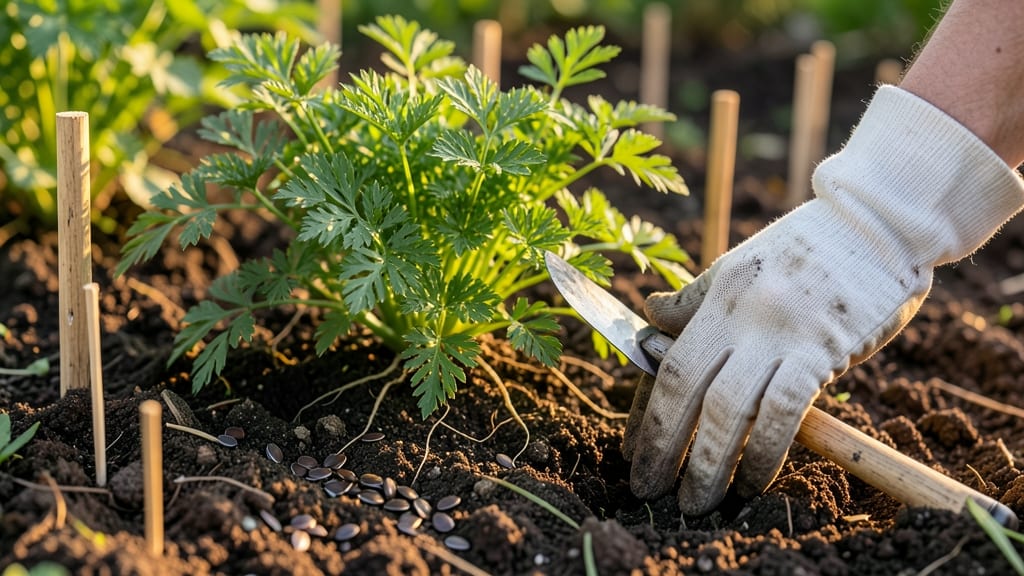
If you’ve ever planted 🥕 carrots in Texas only to watch them bolt into bitter greens or shrivel under the sun, you’re not alone.
The key to crisp, sweet roots lies in timing—because Texas’ extreme heat and unpredictable frost dates make all the difference between a thriving harvest and a wasted effort.
Most gardeners in USDA Zones 8a-10b swear by fall planting (September–October) as the gold standard, but spring (February–March) can work too—if you play by the rules.
I’ll break down exactly when to plant for your region, whether you’re in North Texas’ cooler pockets or South Texas’ balmy stretches, so you can avoid the 3 biggest mistakes that turn carrots woody or stunted.
Here’s the game-changer: The secret isn’t just when you plant—it’s how you prep your soil and protect those tender seeds from Texas’ mercurial weather.
From choosing the right varieties to beating back pests like carrot rust flies, I’ll share the exact steps I’ve used to grow plump, flavorful carrots year after year, no matter the season.
Ready to stop guessing and start growing? Let’s dive into the perfect planting windows for Texas carrots—so you can enjoy that first harvest of the year without the stress.
Best planting windows for carrots in Texas: fall vs spring breakdown
Texas’ variable climate makes carrot planting a delicate balance—too early and they bolt, too late and they turn woody. The two best windows are fall (September-October) and spring (February-March), but regional differences in frost dates and summer heat mean adjustments are key.
Let’s break down the ideal timing for North, Central, and South Texas.
In North Texas (USDA Zones 7b-8a), where last frost hits around December 15, aim for September 15–October 15 for fall and February 15–March 15 for spring. Central Texas (Zones 8a-8b), with later frosts (~December 25), can extend fall planting to late October, while South Texas (Zones 9a-10b) enjoys a longer window—August–November for fall and January–March for spring.
Here’s how to align your planting with Texas’ microclimates and soil temperatures for perfect harvests:
| Season | Ideal Months | Soil Temp | Regional Notes |
|---|---|---|---|
| Fall | Sep–Oct (North), Aug–Nov (South) | 55–75°F | Cool nights prevent bolting; harvest before first frost. |
| Spring | Feb–Mar (North), Jan–Mar (South) | 60–70°F | Use shade cloth if temps exceed 85°F to avoid woody roots. |
Soil temperature is your secret weapon—carrots thrive when soil is 55–75°F. Use a soil thermometer to confirm readiness; if temps drop below 50°F, germination slows dramatically. In South Texas, where winters are mild, you can even try a winter crop (December–January) for early spring harvests.
For fall planting, prioritize September sowing—this gives roots time to mature before first frost (North: ~November 15; South: ~February 1).
In Central Texas, a late-October planting can yield carrots by December, but mulch heavily to insulate roots. Spring plantings should start in February to avoid the brutal Texas summer heat, which causes carrots to bolt or develop bitter, woody textures.
Pro tip: Succession planting every 2 weeks in fall or spring extends your harvest. For example, sow a batch in early September, another in mid-September, and a final one in early October—this ensures a steady supply from November through January.
In South Texas, you can even stagger plantings into late fall for a holiday harvest.
Watch for regional pests like carrot rust flies (common in East Texasuneven soil (a Texas garden staple!) that causes forked roots. Loosen soil with a broadfork or add compost to improve drainage. Shade cloth (30–50%) is a game-changer in summer plantings—it keeps soil cooler and reduces bolting.
Remember, Texas’ unpredictability means flexibility is key. Monitor weather forecasts and adjust planting dates if an early frost or heatwave is predicted. With the right timing, you’ll enjoy crisp, sweet carrots** straight from your Texas garden—no grocery store in sight! 🥕
How to avoid common carrot planting mistakes in Texas heat
Texas’ intense heat and unpredictable weather can turn your carrot dreams into a frustrating mess—unless you know the 3 biggest pitfalls and how to dodge them. I’ve learned the hard way that bolting, woody roots, and pest infestations are the top culprits for failed carrot harvests.
Here’s how to sidestep them and grow perfectly crisp roots every time.
First, bolting (when carrots flower prematurely) is your worst enemy in Texas’ hot springs. This happens when temps soar above 85°F or when seeds experience temperature fluctuations. To prevent it, plant in early spring (February) or late fall (September–October) when days are cooler.
If you must plant in summer, use shade cloth (30–50%) to keep soil temps below 80°F.
Planting carrots in full summer sun without shade leads to bitter, woody roots and premature bolting. Even a 50% shade cloth can make the difference between success and failure.
Next, uneven germination is a Texas garden classic—thanks to our rocky, compacted soil. Carrots need loose, stone-free soil to grow straight. Before planting, loosen soil with a broadfork to a depth of 12 inches and sift out rocks.
Mix in 2–3 inches of compost to improve drainage and prevent forked roots. Pro tip: Use a seed starter mix in containers if your garden soil is too heavy.
Pests like carrot rust flies and aphids love Texas gardens, and they’ll target your carrots if you’re not careful. Start by covering seeds with fine mesh row covers until seedlings are 4 inches tall.
For organic pest control, spray with neem oil or introduce beneficial nematodes to combat soil-dwelling pests. In East Texas, where rust flies are rampant, consider planting carrot-resistant varieties like ‘Danvers Half Long.’
Watering is another Texas minefield—too much causes rot, too little leads to woody roots. Carrots need consistent moisture, but their shallow roots can’t handle soggy soil. Water deeply in the morning (1 inch per week) and avoid wetting the foliage to prevent fungal diseases.
In summer, increase frequency to daily shallow watering to keep soil cool. Mulch with straw or grass clippings to retain moisture and suppress weeds.
Finally, thinning seedlings is non-negotiable—crowded carrots grow forked or stunted. Once seedlings reach 2 inches tall, thin them to 2–3 inches apart (or 4 inches for larger varieties).
Use scissors to snip unwanted sprouts at soil level to avoid disturbing roots. This might seem tedious, but it’s the secret to straight, pencil-thin carrots that rival store-bought perfection.
With these Texas-specific tweaks, you’ll bypass the common pitfalls and enjoy a bountiful harvest of sweet, crisp carrots—no matter how extreme the heat gets. 🌱