
Plants
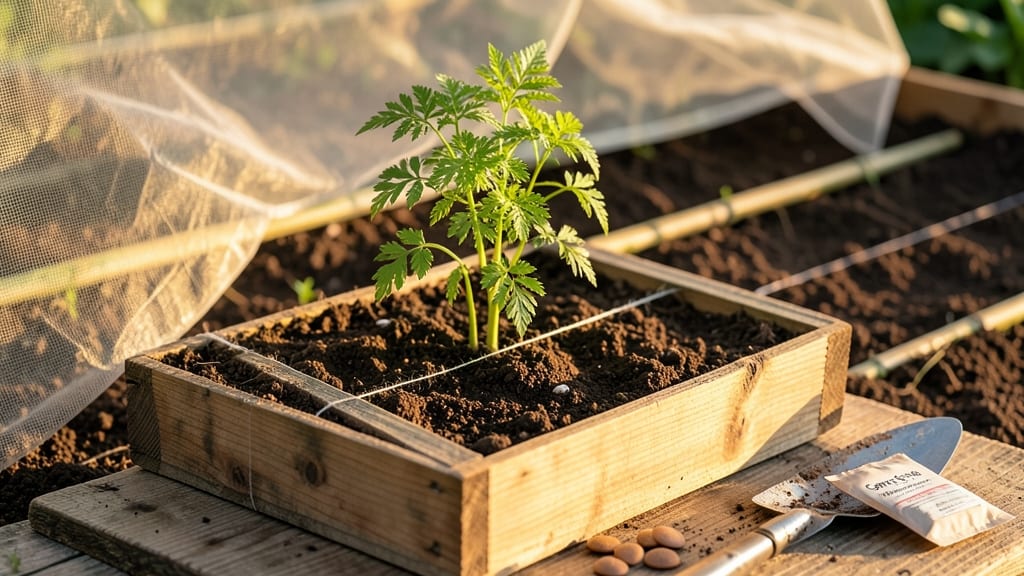
If you’ve ever pulled a bitter, stunted 🥕 carrot from your garden, you know that when to plant carrot seeds in Zone 7 is everything—and getting it wrong can mean the difference between a crisp harvest and wasted seeds.
The secret to growing sweet, straight carrots lies in planting them at the perfect moment, whether you’re aiming for spring’s first harvest or fall’s sweeter roots.
In Zone 7, where last frosts linger around mid-March and first frosts arrive by mid-November, the window for planting 🥕 carrot seeds is narrower than you think. Plant too early, and seedlings bolt in the heat; too late, and roots struggle to mature before cold sets in.
I’ll break down the exact 4–6 week deadlines before your first frost to ensure your carrots thrive from seed to harvest.
Most gardeners focus only on spring planting, but fall offers a second chance for even sweeter carrots—if you time it right. The key? Cool soil temperatures and a strategic approach to protect young plants from unexpected chills.
Whether you’re a beginner or a seasoned gardener, these proven timing tips will help you avoid common pitfalls like uneven germination or forked roots.
Ready to grow carrots that rival the grocery store? Let’s dive into the ideal planting schedule for Zone 7, including soil prep, succession planting, and how to adjust for your microclimate.
By the end, you’ll know exactly when to plant for a harvest that lasts from late summer through crisp fall days.
Optimal spring planting schedule for carrots in Zone 7
Spring is the best time to plant carrot seeds in Zone 7, but timing matters more than you might think. Carrots thrive in cool soil temperatures between 50°F and 85°F, with ideal germination occurring at 60°F.
Planting too early in cold soil can lead to slow germination, while waiting too long risks bolting (premature flowering) as temperatures rise.
In Zone 7, the last frost date typically falls around March 15, but soil temperature is the real deadline. Aim to plant when soil reaches at least 50°F—usually mid-March to early April.
This ensures seeds sprout quickly and roots develop before summer heat sets in. For a continuous harvest, consider succession planting every 2-3 weeks until late May.
🌱
For early spring plantings, choose cold-hardy varieties like 'Danvers' or 'Nantes'—they tolerate cooler temperatures and shorter days. If you plant in late February, use a cloche or row cover to protect seedlings from late frosts. These varieties also handle light frost after germination, giving you a head start.
If you prefer longer, sweeter carrots, opt for late-spring plantings in April or early May. Varieties like 'Chantenay' or 'Paris Market' thrive in warmer soil and produce uniform roots.
Just be sure to mulch heavily to retain moisture and prevent bolting during heatwaves. A 2–3 inch layer of straw works wonders in Zone 7’s summer heat.
One pro tip: Plant carrot seeds shallowly—just ¼ inch deep—since they need light to germinate. Use a fine seed mix or sand to cover them evenly. Over-planting is normal; you’ll thin seedlings to 2–3 inches apart once they’re 2–3 inches tall, ensuring strong roots without competition.
🌿
Don’t forget to rotate crops if you planted carrots last year. Carrots are susceptible to leaf blight and rot in reused beds, so move them to a new spot. Pair them with onions, leeks, or tomatoes to deter pests naturally. These companions improve growth while keeping carrot flies at bay.
Finally, monitor your harvest timeline. Most carrots take 60–80 days to mature, so plan your last spring planting by mid-July to avoid fall frosts. For example, a July 15 planting should yield harvest-ready carrots by September 20, just before cooler weather sets in.
Fall planting secrets: how to grow sweeter carrots in cool weather
Fall planting is my secret weapon for growing sweeter, more flavorful carrots in Zone 7. Unlike spring, when roots can develop a bitter taste in hot weather, fall carrots grow in cooler soil—ideal for maximizing natural sugars.
The key is planting at the right time to ensure roots mature before hard frosts arrive around mid-November.
In Zone 7, aim to plant carrot seeds 8–10 weeks before your first frost. For most gardeners, this means early August to mid-September. This timing gives carrots enough time to reach harvest size (about 60–80 days) before temperatures drop too low.
For example, a September 1 planting should yield mature carrots by November 10, just before winter sets in.
🌱
For fall plantings, choose short-season varieties like 'Early Nantes' or 'Paris Market'—they mature quickly in cooler weather. These varieties also handle light frosts better than longer-season types. If you’re planting in late August, use a row cover or cold frame to extend the season by 2–3 weeks.
This protects seedlings from unexpected chills while still allowing sunlight to reach the soil.
One critical tip: Test your soil temperature before planting. Carrots germinate best in soil between 50°F and 65°F. If your soil is warmer than 70°F, wait a few weeks or use shade cloth to cool it down.
You can check soil temperature with a digital thermometer or by pressing your hand into the soil—if it feels too hot, delay planting.
To protect young seedlings from early frosts, apply a thick layer of mulch (like straw or leaves) around the base of plants. This insulates roots and keeps soil temperatures stable. Avoid heavy mulching too early, though—wait until seedlings are 2–3 inches tall to prevent rot.
Additionally, plant near warm-season crops like beans or peas, which can act as windbreaks and retain heat in the soil.
🌿
Don’t forget to harvest before hard frosts. Carrots stored in cool, dark conditions (like a root cellar) can last for months, so plan your last planting to finish by October 15.
If you miss this window, try winter planting under heavy mulch—some varieties like 'Winterkeeper' can survive light frosts and be harvested in early spring. Just be prepared for slower growth in cold soil.
Finally, rotate your planting location if you grew carrots in spring. Fall carrots are still susceptible to leaf blight and rot, so avoid planting in the same spot two years in a row.
Instead, move them to a new bed or container garden. This simple step can double your yield by preventing soil-borne diseases.