
Plants
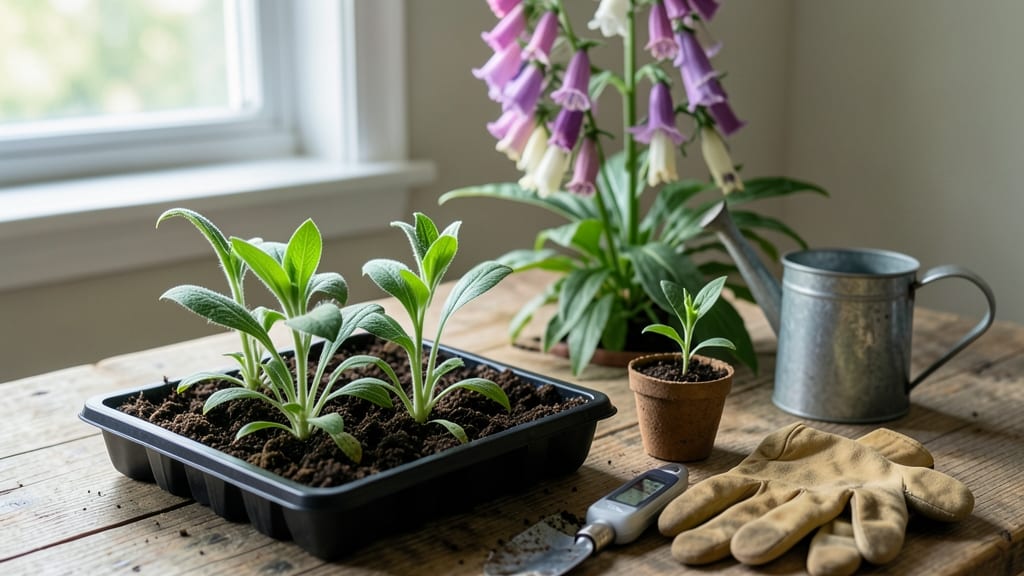
If you're dreaming of a garden bursting with dramatic foxglove 🌸 spires next summer, when to plant foxglove seeds in Zone 7 is the game-changer.
Plant too early, and frost will nip those delicate seedlings in the bud; too late, and you'll miss the ideal window for strong root development before winter. The secret lies in understanding exactly when to sow—whether you're starting seeds indoors or planting directly in the soil.
Zone 7 gardeners know that late summer to early fall (August through September) is the sweet spot for direct sowing foxglove seeds. This timing lets them establish roots before the ground cools, ensuring they survive the winter to bloom spectacularly in their second year.
But what if your spring arrives early or late? I'll show you how to adjust your planting schedule to match your local frost dates and soil conditions.
You might be wondering whether to start foxglove seeds indoors or just plant them outside. The answer depends on your patience and local climate. Indoor starts give you a head start, but foxglove seeds are fussy—they need specific conditions to germinate properly.
I'll walk you through the best approach for your Zone 7 garden, so you can avoid common pitfalls and set yourself up for success.
With the right timing, your foxglove will reward you with tall, show-stopping blooms that attract hummingbirds and add height to your garden. Let's dive into the exact weeks to plant, soil prep tips, and how to give your foxglove the best chance to thrive in your Zone 7 climate.
Best planting weeks for foxglove seeds in Zone 7
Foxglove (Digitalis) thrives in Zone 7 when planted at the perfect time—typically late summer to early fall. For most of Zone 7, this means late August through early September, aligning with soil temperatures dropping below 75°F but before the first frost (November 1).
This timing ensures seeds germinate slowly over winter, producing robust basal rosettes by spring.
Direct sowing outdoors is ideal for foxglove because seedlings hate transplanting. Unlike many flowers, foxglove seeds need cold stratification to break dormancy, so avoid indoor starts unless you’re in a cooler microclimate.
The key is planting when daytime temps hover around 70-75°F and nights dip below 60°F—this mimics natural conditions.
If you miss the fall window, you can try indoor starts in early spring (March), but germination rates drop significantly. Seedlings grown indoors often struggle to adapt to outdoor conditions, leading to leggy, weak plants.
For best results, stick to outdoor sowing in late summer and let nature handle the stratification.
Zone 7’s frost-free window (April 15–November 1) gives you about 6 months of growing season. Foxglove’s biennial lifecycle means you’ll see flowers in year 2, so planting too late (after September) risks immature rosettes that may not survive winter.
Aim for 6-8 weeks before first frost to give seedlings time to establish.
Here’s the golden rule for Zone 7: Plant foxglove seeds when soil temps are warm but days are shortening. This balance ensures seeds germinate slowly, avoiding overcrowding and giving seedlings a head start before winter dormancy.
In 7a (cooler), push planting to late August; in 7b (warmer), extend to early September.
For gardeners in Zone 7a (cooler microclimates like higher elevations), prioritize late August planting to avoid early frosts. In Zone 7b (warmer areas), you can extend to early September, but monitor soil moisture—dry spells can delay germination.
A simple soil thermometer ($10 at garden centers) helps track ideal temps (60-75°F).
Pro tip: Scratch seeds lightly with a board or sandpaper before sowing to mimic natural wear and improve germination. Foxglove seeds have hard coats that slow water absorption.
Plant seeds ¼ inch deep in well-draining soil (sandy loam works best) and space them 12 inches apart—crowding leads to pale, leggy seedlings.
After sowing, mulch lightly with straw to retain moisture and protect seeds from wild temperature swings. Water gently but thoroughly—foxglove seeds need consistent moisture to germinate, but avoid waterlogging, which causes rot.
Expect germination in 2-4 weeks if conditions are ideal, though some seeds may take up to 8 weeks.
Remember: Foxglove is a biennial, meaning it focuses on leaf growth in year 1 and flowering in year 2. Planting at the right time ensures you’ll have tall, dramatic spikes of bell-shaped blooms in late spring or summer of the following year.
Patience is key—skipping this step means waiting another year for those showstopping flowers!
Best planting weeks for foxglove seeds in Zone 7
For foxglove seeds in Zone 7, the ideal planting window is late summer to early fall, specifically mid-August through early September. This timing lets seeds germinate before the ground cools, giving seedlings a head start before winter.
Remember, foxglove is a biennial—it grows foliage the first year and blooms the second, so early establishment is key.
If you're planting directly outdoors, aim for soil temperatures between 60°F and 70°F. Use a soil thermometer to check—warmer soils speed up germination.
In Zone 7, this typically aligns with late August when daytime highs are still warm but nights begin to cool. Direct sowing is preferred because foxglove hates transplanting and may struggle if disturbed.
For indoor starts, begin sowing 6-8 weeks before your last frost date (around early July in Zone 7). Use seed-starting trays with well-draining seed mix and keep them under grow lights or in a sunny window.
Seedlings need consistent moisture and cool temperatures (60-65°F) to prevent damping off. Transplant outdoors only after hardening off in late September, but this is risky due to foxglove's sensitivity.
🌱 Foxglove Planting Timeline for Zone 7
| Stage | Action | Notes |
|---|---|---|
| Direct Outdoor Sowing | Mid-August - Early September | Soil temp 60-70°F; no transplanting needed |
| Indoor Starts | Early July (6-8 weeks before frost) | Grow lights required; transplant only if necessary |
| Germination | 2-4 weeks | Keep soil moist; thin seedlings to 12" apart |
| First Year Growth | Spring - Fall | Rosette stage; minimal care needed |
| Second Year Blooms | Late Spring - Summer | Deadhead spent blooms for repeat flowers |
Adjust your planting timeline if your spring arrives early or late. Check your local frost dates—if your last frost is earlier than April 15, you can push sowing to late July.
Conversely, if frost arrives before November 1, plant by early September to avoid winter stress. Soil drainage is critical; foxglove roots rot in soggy conditions, so amend heavy soil with compost or sand before planting.
Pro tip: Stratify seeds for 2-4 weeks in the fridge to mimic winter conditions and improve germination rates. Place seeds in a damp paper towel, seal in a bag, and refrigerate before sowing. This mimics the natural cycle foxglove seeds experience in the wild, giving you stronger seedlings.
Once planted, mulch around seedlings with 2-3 inches of organic mulch to retain moisture and regulate soil temperature. Avoid thick layers, which can suffocate young plants.
With the right timing and care, your foxglove will reward you with towering spikes of bell-shaped blooms in their second year—a true garden showstopper! 🌸