
How To
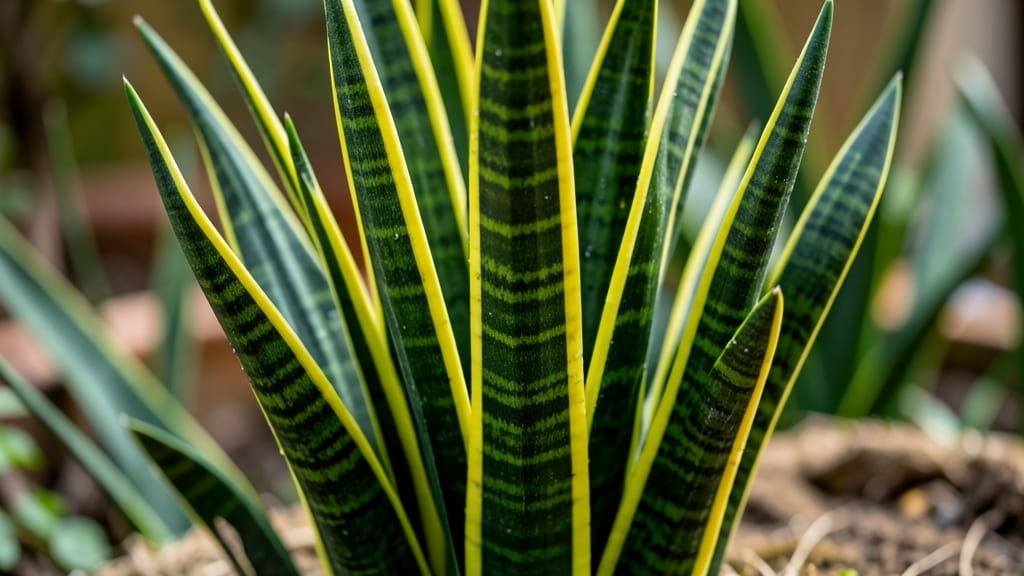
If you’ve ever glanced at your snake plant 🌱 and wondered how tall this plant can grow, you’re not alone. This resilient houseplant can grow surprisingly tall—but its height isn’t just about time.
Whether you’re dealing with a compact Sansevieria trifasciata or a towering Sansevieria cylindrica, understanding its growth habits helps you control its size effortlessly.
On average, a mature snake plant indoors reaches 2 to 4 feet, but some varieties can stretch toward 6 feet or more with ideal conditions. The key? Light exposure, pot size, and care routines all play a role in whether your plant stays counter-height or shoots for the sky.
Let’s break down what influences its growth and how to keep it at your preferred height.
You might be surprised to learn that even slow growers can double in size within 2–3 years if given the right environment. But don’t worry—whether you want a bushy accent plant or a towering statement piece, there are simple ways to manage its height.
From pruning tips to pot selection, we’ll cover everything you need to know to keep your snake plant thriving at the perfect size for your space.
Ready to take control of your plant’s growth? Discover how to encourage (or limit) its height while keeping it healthy and happy—no green thumb required. Let’s dive into the factors that shape your snake plant’s future.


Natural height limits of snake plants (Sansevieria) indoors and outdoors
Snake plants (Sansevieria trifasciata and related species) are known for their slow but steady growth, making them perfect for both beginners and busy plant parents. On average, most indoor snake plants reach 2 to 4 feet tall over 2–5 years, though some varieties can grow taller with ideal conditions.
The fastest-growing types, like Sansevieria cylindrica (Cylinder Snake Plant), may hit 6 feet or more in containers, while dwarf varieties like Sansevieria 'Hahnii' stay compact at 1–2 feet.
Outdoors, snake plants thrive in USDA Zones 9–11, where they can grow wildly taller—some mature specimens reach 6 to 10 feet in the ground. This dramatic difference highlights how light exposure, space, and care directly impact their height.
Even indoors, a sunny southern window can push growth rates, while low light slows it down significantly.
Here’s a quick comparison of common snake plant varieties and their mature heights to help you set expectations for your space:
| Variety | Indoor Height | Outdoor Height | Growth Time |
|---|---|---|---|
| Sansevieria trifasciata (Mother-in-Law's Tongue) | 3–4 ft | 6–10 ft | 5–10 years |
| Sansevieria cylindrica (Cylinder Snake Plant) | 4–6 ft | 8–12 ft | 3–7 years |
| Sansevieria 'Hahnii' (Bird’s Nest Snake Plant) | 1–2 ft | 2–3 ft | 3–5 years |
| Sansevieria 'Futura Superba' | 2–3 ft | 4–6 ft | 4–6 years |
If you’re growing a standard snake plant indoors, expect 1–2 feet of growth per year in ideal conditions (bright, indirect light and proper soil). However, outdoor plants can grow 2–3 times faster due to unobstructed sunlight and root expansion.
For example, a Sansevieria trifasciata planted in a large garden bed might reach 8 feet in 5–7 years, while the same plant in a small 6-inch pot indoors may only hit 3 feet in a decade.
Pot size is critical—snake plants grow toward the height of their container’s rim before slowing down. Upgrading to a larger pot (12+ inches) can encourage taller growth, but root-bound plants often produce shorter, bushier leaves as a survival tactic. This is why many gardeners repot every 2–3 years to balance size and aesthetics.
Another factor is leaf thickness and maturity. Younger leaves are softer and faster-growing, while older, thicker leaves signal a mature plant that’s nearing its natural height limit.
For instance, a 5-year-old snake plant with thick, rigid leaves is likely close to its maximum height, whereas a 2-year-old may still shoot up 6–12 inches annually.
Light conditions play a surprising role in height control. Plants in low-light conditions (e.g., north-facing windows) often grow taller and leggier as they stretch toward light, while those in bright, indirect light develop shorter, stockier stems. This is why many growers rotate pots occasionally to ensure even growth.
For outdoor gardeners, snake plants can become borderline invasive in warm climates. Without pruning, they may spread aggressively via rhizomes, creating dense clumps that can outcompete nearby plants. In these cases, regular division (every 2–3 years) helps manage both height and spread while keeping the plant healthy.
If you’re concerned about your snake plant toppling over, focus on stabilizing the base with a heavier pot or staking for taller varieties. Some growers even braid the leaves of young plants to encourage a fuller, bushier habit instead of a single towering stem.
Key factors that control snake plant height (and how to manage them)
Your snake plant’s height isn’t set in stone—it’s shaped by a mix of environmental conditions and care practices. While some varieties naturally grow taller, others stay compact.
Understanding these factors lets you guide your plant’s growth to fit your space perfectly. Let’s break down what influences height and how to adjust it.
One of the biggest factors is light exposure. Snake plants grow faster and taller in bright, indirect sunlight, but they’ll stretch toward light sources if placed in low-light spots. This "leggy" growth happens when the plant searches for light, making it look thinner and taller than expected.
Position your plant near a north-facing window or under grow lights for balanced growth.
Pot size plays a surprising role too. Snake plants grow taller when root-bound, but cramped roots can also stunt growth. Use a pot that’s 1-2 inches wider than the plant’s base, but avoid oversized containers—too much soil retains moisture, slowing growth. Terracotta pots help regulate moisture and encourage steady, healthy growth.
| Factor | Effect on Height | How to Manage |
|---|---|---|
| Light Exposure | Too little = leggy growth; too much = faster height | Place 2-3 ft from north-facing window |
| Pot Size | Too small = stunted growth; too large = slower growth | Use pot 1-2 inches wider than plant base |
| Watering | Overwatering = slower growth; underwatering = stress | Water every 2-3 weeks; let soil dry completely |
| Temperature | Cold drafts = slowed growth; ideal = 60-85°F | Keep away from AC vents or drafty windows |
Don’t overlook watering habits—this is where many gardeners accidentally stunt their snake plant’s growth. These plants thrive on infrequent, deep watering. Overwatering leads to root rot, which slows growth entirely, while underwatering causes stress that can make the plant grow slower or unevenly.
Stick to the "soak-and-dry" method: water thoroughly, then wait until the soil is completely dry before watering again.
If you’re aiming for a shorter, bushier snake plant, try pruning the tallest leaves to encourage new growth from the base. Cut leaves at a 45-degree angle just above a node (the bump where leaves emerge), and place the cutting in water to propagate.
This not only controls height but also gives you free baby plants! Just avoid cutting too close to the base—leave at least 1 inch of stem to prevent damage.
Finally, fertilizer can influence height if used correctly. A balanced, diluted fertilizer (like 10-10-10) applied every 4-6 weeks in spring and summer encourages healthy growth. Skip fertilizing in fall and winter, as the plant enters dormancy.
Too much fertilizer can lead to salt buildup in the soil, which stunts growth and burns roots.