
Plants
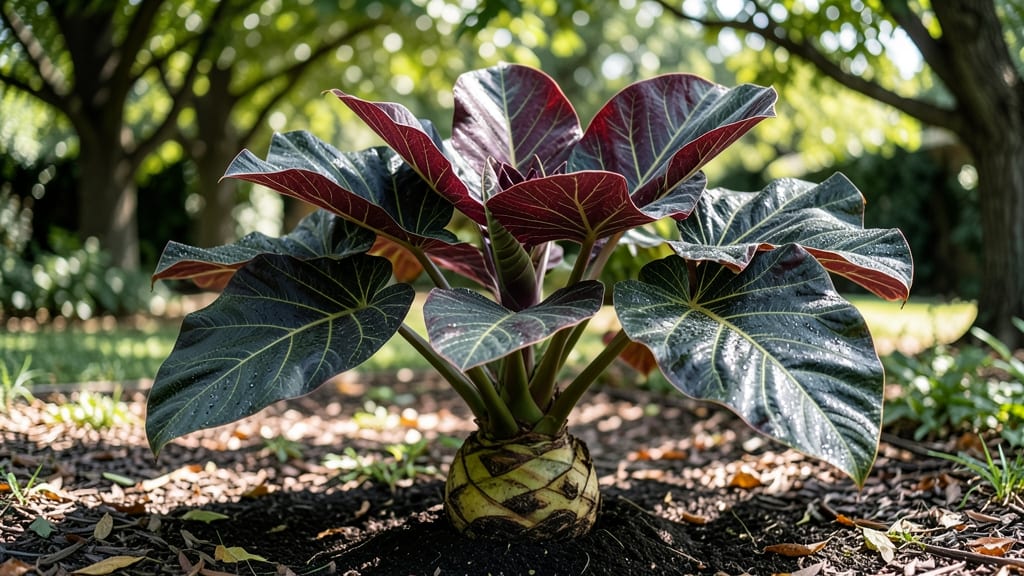
If you're wondering how tall does an elephant ear plant grow, the answer might surprise you—these tropical showstoppers can reach heights of 4 to 6 feet or more, depending on the variety and growing conditions. 🌿 Whether you’re planning a dramatic garden statement or just curious about their growth potential, knowing the right size matters for placement and care.
Not all elephant ear plants grow the same way. Some varieties like 'Illustris' stay compact, while others like 'Black Stem' can tower over your fence line.
The key to their height lies in factors like sunlight, soil quality, and even your USDA zone—especially if you're in Zone 6a, where they thrive in spring planting.
What’s even more interesting is how fast they grow. In just one season, you could see them shoot up from 2 to 3 feet to their full mature height.
But don’t worry—if a giant elephant ear feels too overwhelming, there are ways to manage their size, like pruning or choosing dwarf varieties.
Let’s break down the exact heights by popular variety, so you can pick the perfect one for your space—and learn how to keep it looking its best all season long.


Elephant ear plant height guide: exact growth ranges by popular variety
Elephant ear plants (Colocasia and Alocasia species) are famous for their bold, tropical leaves, but their height varies dramatically depending on the variety. Some stay compact at 2 to 3 feet, while others soar to 6 feet or taller.
Choosing the right size for your garden ensures you get the dramatic impact you want without overwhelming your space.
If you're planting in Zone 6a, like many gardeners, you’ll want to focus on varieties that thrive in your climate. The key is understanding how each type grows—whether it’s a clumping grower (like 'Illustris') or a rhizomatous spreader (like 'Black Stem').
Let’s dive into the exact heights and ideal spacing for 10+ popular varieties.
Here’s a quick reference for mature heights, so you can plan your garden layout with confidence. Whether you’re adding them to a border garden, container display, or pond edge, knowing these ranges helps you avoid overcrowding or underwhelming results.
| Variety | Mature Height | Growth Habit | Ideal Spacing |
|---|---|---|---|
| Colocasia 'Illustris' | 3–4 ft | Clumping | 2–3 ft apart |
| Colocasia 'Black Stem' | 4–5 ft | Rhizomatous | 3–4 ft apart |
| Colocasia 'Pink China' | 2–3 ft | Clumping | 1.5–2 ft apart |
| Alocasia 'Polly' | 2–3 ft | Slow-growing | 2–3 ft apart |
| Colocasia 'Mojito' | 3–4 ft | Clumping | 2–3 ft apart |
| Alocasia 'Zebrina' | 3–5 ft | Rhizomatous | 3–4 ft apart |
| Colocasia 'Elephant Ear Giant' | 5–6 ft | Rhizomatous | 4–5 ft apart |
| Alocasia 'Dragon Scale' | 2–3 ft | Slow-growing | 2–3 ft apart |
| Colocasia 'White Queen' | 3–4 ft | Clumping | 2–3 ft apart |
| Alocasia 'Frydek' | 3–5 ft | Rhizomatous |
How fast do elephant ear plants grow? Timeline to full height by typeElephant ear plants (Colocasia and Alocasia) are famous for their rapid growth, but their speed varies dramatically depending on the variety. Some can shoot up 2 to 3 feet in a single season, while others take years to reach their full mature height of 4 to 6 feet. The key to faster growth lies in ideal conditions—think rich soil, consistent moisture, and partial shade—especially in USDA Zone 6a where spring planting is perfect. For example, 'Illustris' typically matures faster than 'Black Stem', which can take longer to bulk up. Even within the same variety, growth rates depend on factors like sunlight exposure and soil fertility. In my garden, I’ve seen first-year growth of 2 to 3 feet in well-cared-for plants, while neglected ones might only reach 1 to 2 feet by year’s end.
1
First Year: 2-3 ft (fastest growth phase)
2
Second Year: 3-5 ft (height gain slows slightly)
3
Mature Height: 4-6 ft (reached by year 3+)
4
Growth Tip: Mulch retains moisture for faster early growth
Seasonal growth patterns also play a huge role. In spring, elephant ears bolt upward quickly after the last frost (around April 15 in Zone 6a), often reaching half their mature height by midsummer. Summer slows growth slightly due to heat stress, but consistent watering keeps them thriving. By fall, growth tapers off as the plant prepares for dormancy, which is why I always stop fertilizing after August. If you’re eager for quicker results, focus on these growth-boosting factors: enrich your soil with compost, water deeply in the morning, and provide partial shade in hot afternoons. In my experience, plants grown in containers also speed up slightly because their roots stay warmer, but they’ll need more frequent watering to compensate. For those in cooler climates, don’t expect the same rapid growth as in tropical zones. Zone 6a gardeners should plant in well-draining, moisture-retentive soil and protect young plants from late frosts. With the right conditions, you could see 3 feet of growth in just 3 months—though patience is key for the full tropical drama. One common misconception is that all elephant ears grow at the same pace. In reality, Alocasia varieties often grow faster than Colocasia, thanks to their more aggressive rhizomes. If you’re short on space, consider 'Pink China', which stays more compact while still delivering bold foliage. Want to see dramatic results even faster? Try dividing established plants in early spring—they’ll rebound with new growth within weeks. Just be prepared for their eventual height: these tropical giants don’t stay small for long! 🌱 |