
Plants
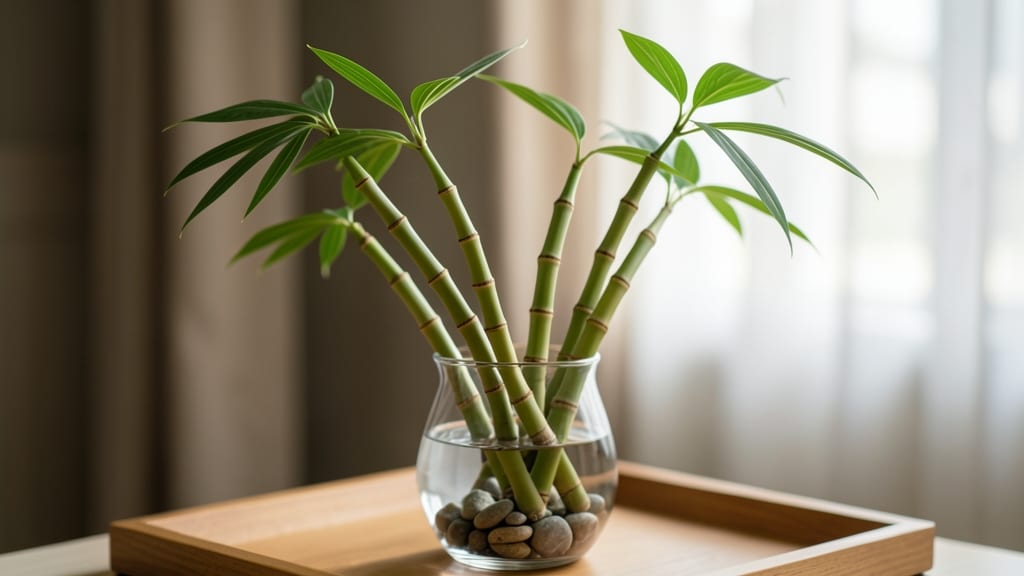
If you’ve ever wondered how tall can a lucky bamboo plant grow indoors, the answer might surprise you—this elegant 🌿 can stretch from a modest 1 foot to over 6 feet tall, depending on your care routine and container size.
Most plant owners assume their lucky bamboo will stay small, but with the right conditions—like a spacious pot and bright, indirect light—it can become a stunning vertical feature.
Whether you’re working with a tiny 6-inch container or a large 12-inch vase, understanding these growth limits helps you plan for the perfect height.
Beyond just the pot, factors like water quality, humidity, and even pruning techniques play a huge role in how tall your lucky bamboo grows. I’ll break down the science behind its height potential and share simple tricks to encourage (or control) its growth without overpotting.
Ready to turn your lucky bamboo into a lush, towering centerpiece? Let’s explore how to maximize its height—or keep it compact—based on your space and style.


Lucky bamboo height limits: how container size controls growth
Your lucky bamboo’s maximum height is directly tied to the size of its container. Unlike traditional bamboo, lucky bamboo (Dracaena sanderiana) grows taller when its roots have more space to expand.
In a 6-inch pot, expect growth up to 2 feet, while a 12-inch pot can support heights of 4-6 feet over 2-3 years.
The key is root space—when roots fill the container, growth slows dramatically. Lucky bamboo thrives in shallow but wide pots, as its roots spread horizontally. A diameter of 8+ inches is ideal for taller growth, while smaller pots naturally limit height.
Here’s how pot size affects height potential:
| Container Size | Root Space | Max Height (Years 1-3) | Growth Rate |
|---|---|---|---|
| 6-inch pot | Limited (roots bind quickly) | 1-2 feet | Slow (stops at 1 year) |
| 8-inch pot | Moderate (roots fill in 2 years) | 2-3 feet | Moderate (steady growth) |
| 10-inch pot | Generous (roots fill in 3 years) | 3-4 feet | Fast (tallest stems) |
| 12-inch+ pot | Unlimited (roots spread widely) | 4-6 feet | Very fast (needs pruning) |
Note: Height assumes optimal light and water conditions.
If you’re aiming for a compact lucky bamboo, a 6-inch pot keeps it manageable, while larger pots encourage dramatic vertical growth. The trade-off? Bigger pots require more frequent watering and repotting.
Pro tip: Use a clear glass container to monitor root growth. When roots circle the pot’s bottom, it’s time to repot into a larger size to unlock more height potential.
Remember, lucky bamboo grows best in well-draining soil or even just water—no soil needed! The container’s material (glass, ceramic, or plastic) doesn’t affect height, but opaque containers hide root health, making it harder to judge when to repot.
For a 6-foot lucky bamboo, start with a 12-inch pot and repot every 2 years to maintain root space. Without repotting, growth stalls at 2-3 feet due to root binding.
🌿
5 Factors that determine lucky bamboo height (beyond just the pot)
While your lucky bamboo’s container size sets the foundation for height, five other factors can dramatically influence how tall it grows. Even in a 12-inch pot, poor light or hard water might cap growth at 3 feet instead of the potential 6 feet.
Let’s explore these hidden growth controllers to help you fine-tune your plant’s height.
First, light exposure is critical—lucky bamboo thrives in bright indirect light, which fuels faster stem elongation. Place it near a north-facing window for optimal growth, but avoid direct sun, which can scorch leaves. In low light, stems grow 20-30% shorter and may become leggy.
- 💧 Water Quality: Tap water with chlorine/fluoride stunts growth. Use distilled or rainwater for taller, healthier stems.
- ☀️ Light Intensity: Low light = 1-2 ft max; bright indirect = 4-6 ft potential in ideal pots.
- 🌡️ Temperature: Keep between 65-85°F. Below 60°F, growth slows dramatically.
- ✂️ Pruning Habits: Trimming top stems encourages bushier growth (shorter height), while leaving them promotes vertical growth.
- 🌿 Variety: Dracaena braunii (lucky bamboo) grows 10-20% taller than Dracaena sanderiana under identical conditions.
Next, water quality plays a surprising role. Lucky bamboo absorbs nutrients through its stems, so hard water (high in minerals) can clog these pathways, limiting height. Switching to filtered or dechlorinated water can boost growth by 30% or more in just 3 months.
Temperature also matters—lucky bamboo grows best between 65-85°F. Below 60°F, its metabolic processes slow, and stems may barely reach 1 foot in a year. If you’re growing it near a drafty window or in winter, consider a grow light to compensate.
Your pruning habits directly impact height. If you trim the top stems regularly, your lucky bamboo will focus energy on lateral growth, staying shorter and bushier. To maximize height, avoid pruning the main stems—let them grow freely for that 6-foot potential.
Finally, the variety of lucky bamboo matters. The Dracaena braunii variety (with striped stems) tends to grow 10-20% taller than the classic Dracaena sanderiana under identical conditions. If height is your goal, choose the braunii variety for a natural growth advantage.
🌱