
Plants
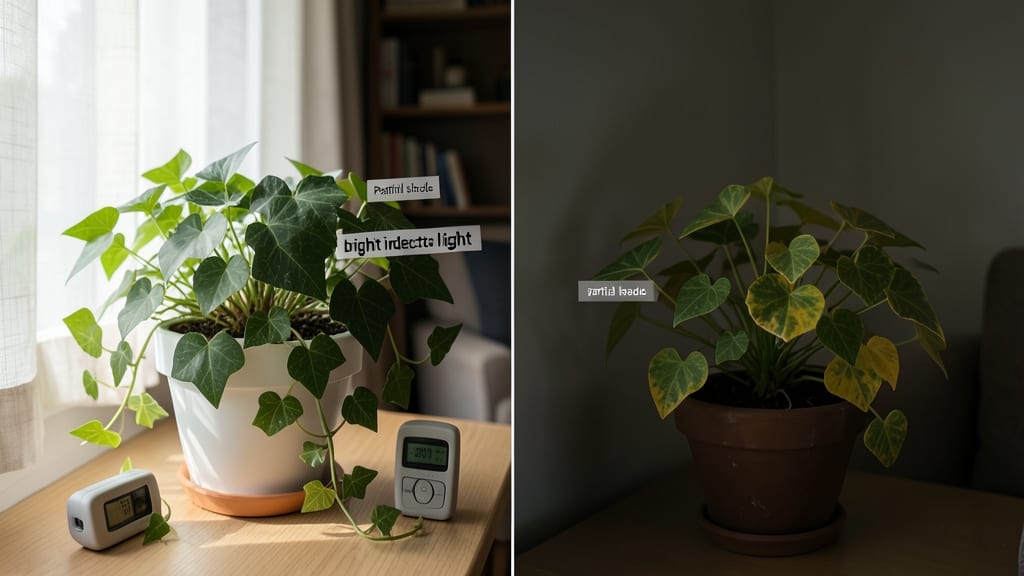
If your 🌿 ivy plant looks more like a sad, stretched-out twig than a lush green vine, you’re probably dealing with how much light does an ivy plant need—specifically, the wrong amount of it.
The secret to keeping it thriving isn’t complicated—it’s all about finding that sweet spot between too little and too much sunlight.
Ivy plants are famously adaptable, but even they need the right conditions to shine. Too little light and you'll end up with leggy growth that reaches for the sky, while too much direct sun can scorch those delicate leaves.
The key is bright, indirect light—think of it as the Goldilocks zone for your ivy.
Whether you're growing English ivy or Boston ivy, understanding these light requirements can make all the difference. I'll show you exactly how to spot the perfect location in your home, adjust for seasonal changes, and even troubleshoot common light-related problems.
Ready to transform that struggling vine into a vibrant, healthy plant? Let's dive into the ideal light conditions that will have your ivy thriving in no time.

Ivy light requirements: the ideal bright indirect light spectrum
Ivy plants thrive in bright indirect light, which is often misunderstood as "low light." This means placing your ivy near a window where it gets filtered sunlight—like through sheer curtains—rather than harsh direct rays.
Think of it as the perfect balance: enough light to fuel growth but not so intense it causes damage.
The ideal light spectrum for ivy falls between 4-6 hours of filtered sunlight daily. This mimics their natural habitat under forest canopies, where they receive dappled light.
Too little light leads to weak, leggy growth, while too much direct sun can cause leaf burn, especially in variegated ivy varieties.
If you're unsure whether your space qualifies as "bright indirect," try this quick test: hold your hand near the plant. If the light feels gentle (like early morning or late afternoon sun), it's likely the right intensity. Avoid south-facing windows during peak hours unless you provide shade.
Seasonal adjustments are key. In winter months, when natural light dims, supplement with a grow light for 6-8 hours daily to maintain your ivy's health. Conversely, in summer, move plants away from west-facing windows by mid-afternoon to prevent overheating.
Not all ivy varieties have identical needs. English ivy is more tolerant of lower light than Boston ivy, which prefers slightly brighter conditions. Always check your specific variety's care guide for tailored advice.
Here’s how to identify the perfect spot in your home:
| Light Condition | Description | Ivy Response |
|---|---|---|
| Low Light (<3 hrs) | Dim corners, north-facing windows with no direct light | Leggy growth, pale leaves, weak stems |
| Bright Indirect (4-6 hrs) | East/west windows, filtered sunlight, sheer curtains | Lush growth, dark green leaves, compact structure |
| Direct Sun (>6 hrs) | South-facing windows, unfiltered afternoon sun | Brown leaf tips, crispy edges, leaf scorch |
| Artificial Grow Light | LED grow bulbs, 6-8 hrs daily in winter | Steady growth, prevents winter decline |
For outdoor ivy, the rules shift slightly. Ivy planted on walls or fences benefits from morning sun and afternoon shade, especially in hot climates. In cooler regions, it can handle more direct sunlight, particularly Boston ivy, which is often grown for its vibrant fall colors.
Pro tip: Rotate your ivy plant quarter-turns every 2-3 weeks to ensure even light exposure. This prevents one side from stretching toward the window while the other remains weak. It’s a simple trick that makes a huge difference in your ivy’s symmetry and health.
If you notice your ivy leaning toward the light, it’s a clear sign it needs to be repositioned closer to the center of the window or rotated to encourage balanced growth. Consistency is key—ivy adapts slowly to changes in light, so gradual adjustments work best.
Remember, ivy’s flexibility is one of its greatest strengths. With the right light conditions, it can thrive in everything from sunny kitchens to dim office corners. The goal is to mimic its natural environment as closely as possible, and you’ll be rewarded with a plant that stays vibrant year-round.
Ivy light requirements: the ideal bright indirect light spectrum
Ivy plants thrive in bright indirect light, making them perfect for homes with east or north-facing windows. This means placing your ivy where it gets filtered sunlight—like behind sheer curtains or a few feet from a window.
Direct midday sun can scorch those delicate leaves, while too little light leads to weak, leggy growth.
Think of bright indirect light as the Goldilocks zone: not too harsh, not too dim. For example, a spot near an east-facing window gives gentle morning sun, while a north-facing window provides consistent, softer light throughout the day. Both are ideal for most ivy varieties.
Here’s how to identify the perfect spot: Hold your hand near the plant. If you can see your shadow but the light feels soft (not harsh), you’ve found the sweet spot. If the light feels intense, move the plant back a few feet or add a sheer curtain.
| Light Condition | Ivy Response | Best For |
|---|---|---|
| Bright Indirect Light | Lush, vibrant growth; healthy leaves | East/west windows, filtered sunlight |
| Low Light | Leggy growth, pale leaves | North-facing windows, deep corners |
| Direct Sunlight | Brown tips, crispy leaves | South-facing windows, no shade |
🌱 Pro Tip: Rotate your ivy every 2-3 weeks for even growth.
Seasonal adjustments are key! In winter months, when sunlight is weaker, move your ivy closer to the window. Conversely, during summer’s intense rays, provide afternoon shade to prevent leaf burn. A simple trick: Use a white curtain to diffuse harsh light without blocking all sunlight.
For outdoor ivy, partial shade (like under a tree canopy) mimics the ideal indoor conditions. Just ensure it gets 4-6 hours of filtered light daily. If growing ivy on a trellis or fence, position it where it gets morning sun and afternoon shade for best results.
Remember, ivy is adaptable, but it won’t thrive in dark corners or scorching sun. The goal is to mimic its natural habitat—dappled forest light. With the right placement, your ivy will reward you with glossy leaves and vigorous growth all year round.