
Plants
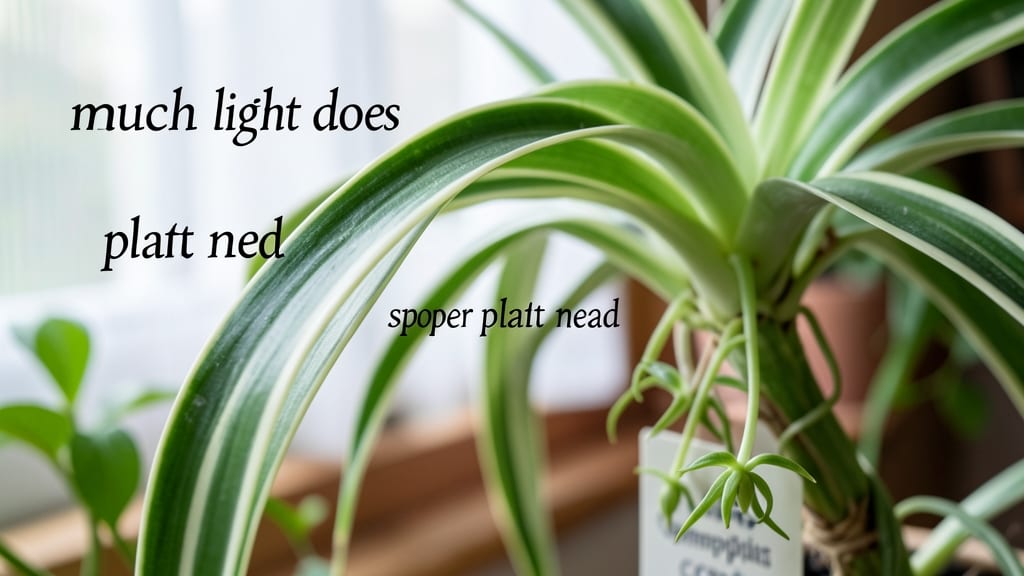
If your 🌿 Spider Plant looks more like a sad, leggy straw than the lush green beauty it should be, you’re probably asking yourself: "How much light does a Spider Plant need?" The answer isn’t as tricky as you’d think—these plants are forgiving, but they do have a sweet spot for thriving.
Picture this: your Spider Plant basking in bright, indirect sunlight—think of it like a sunbathing cat, never directly under the midday glare. Too little light, and those leaves stretch out like they’re reaching for a snack.
Too much direct sun, and you’ll end up with crispy brown tips faster than you can say "oops."
I’ve spent years watching these plants transform from wilting to vibrant, and the key is all about finding that perfect balance.
Whether you’re dealing with a dim corner or a sun-soaked windowsill, I’ll show you exactly where to place your Spider Plant so it grows strong, produces those adorable baby spiderettes, and stays happy year-round.
Ready to turn your plant from "meh" to "wow"? Let’s dive into the light conditions that’ll have your Spider Plant thriving like it’s in its own tropical paradise—no green thumb required.

Ideal light requirements for a healthy spider plant
A spider plant thrives in bright indirect light, making it perfect for most indoor spaces. This means placing it near a window where sunlight filters through sheer curtains or a few feet away from the glass.
Direct sunlight can scorch its leaves, while too little light leads to weak, leggy growth. Think of it as the "goldilocks" of houseplants—not too hot, not too cold, but just right.
The ideal light conditions for a spider plant fall between 4-6 hours of bright indirect light daily. This mimics its natural habitat under the dappled shade of trees. If you notice your plant stretching toward the light or developing pale leaves, it’s likely craving more brightness.
Conversely, crispy brown edges or sunburned spots mean it’s getting too much direct sun.
East-facing windows are ideal because they provide gentle morning sunlight, while north-facing windows offer consistent, soft light throughout the day. South-facing windows can work too, but you’ll need to filter the light with a sheer curtain or place the plant 3-4 feet away from the glass to prevent leaf damage.
In low-light conditions, spider plants can survive but may grow more slowly and produce fewer spiderettes (the adorable baby plants that dangle from the stems). If your home lacks natural light, consider supplementing with a grow light for 6-8 hours a day.
LED grow lights designed for houseplants are energy-efficient and won’t overheat your plant.
Outdoor gardeners can also grow spider plants in partial shade, especially in hot climates where direct sun would be too intense. Just ensure they’re protected from harsh afternoon rays.
With the right light balance, your spider plant will reward you with lush green leaves and an abundance of spiderettes, making it a low-maintenance yet rewarding addition to any space.
When adjusting your spider plant’s light exposure, observe its leaf color and growth patterns. Healthy leaves should be a rich, solid green with a slight variegation. If the variegation (the white or yellow stripes) fades, it’s a sign the plant isn’t getting enough light.
On the flip side, if the leaves develop brown or yellow patches, it’s likely suffering from sunburn or overwatering due to stress.
Seasonal changes also affect light exposure. In winter, days are shorter, and sunlight is less intense, so your spider plant may need to be moved closer to a window.
Conversely, in summer, the sun’s rays are stronger, so you might need to adjust its position or add a sheer curtain to diffuse the light. Pay attention to these cues, and your spider plant will thrive year-round.
Pro tip: Rotate your plant quarter-turns every few weeks to ensure even light exposure on all sides. This prevents one side from becoming leggy or stretched toward the light source.
A well-lit spider plant is a happy spider plant, and with these guidelines, you’ll be well on your way to nurturing a lush, vibrant houseplant.
Signs your spider plant is getting too much or too little light
Your spider plant speaks volumes through its leaves—once you know what to watch for. If the tips of the leaves turn crispy brown, it’s a classic sign of sunburn from too much direct sunlight. This often happens when placed near a south-facing window without protection.
On the flip side, if the leaves stretch out long and thin—what gardeners call leggy growth—your plant is reaching for more light than it’s getting.
Another red flag is when the variegation fades (those pretty white or yellow stripes on the leaves). A healthy spider plant should have vibrant stripes, but low light causes the green to dominate, making the plant look dull and less lively.
Pay close attention to these visual cues—they’re your plant’s way of telling you it’s not happy with its current lighting.
🌿 Overwatering can also mimic light stress, so always check the soil moisture before assuming the light is the issue. If the leaves develop yellow patches or feel mushy, it might be a watering problem rather than light exposure.
But if the soil is dry and the leaves are still struggling, adjust the light instead.
⚠️ Warning: Common Light Mistakes
- Direct Sunlight Burn: Placing near a south window without shade causes brown, crispy edges.
- Leggy Growth: Stretching toward light means under 4 hours of indirect light daily.
- Faded Variegation: Low light makes leaves lose their white/yellow stripes, turning all green.
- Seasonal Shifts: Moving plants too close/far from windows during summer/winter disrupts their rhythm.
Fix it:
Move to bright indirect light (e.g., east-facing window) and rotate the pot quarter-turns weekly for even growth.
Seasonal changes can also throw your spider plant off. In winter, shorter days mean less natural light, so you might need to move the plant closer to a window or supplement with a grow light.
Conversely, in summer, the intense midday sun can damage leaves even if your plant was fine in the same spot all winter. Use sheer curtains to diffuse harsh rays while still allowing plenty of light to filter through.
If you notice brown spots on the tips but the rest of the leaf looks healthy, it’s likely a watering issue combined with light stress. Spider plants are sensitive to fluoride in tap water, which can accumulate and cause browning.
Try using filtered or distilled water and keep the plant in bright indirect light to help it recover faster.
Pro tip: Take a before-and-after photo of your spider plant’s leaves every few weeks. This helps track changes in color, growth patterns, and overall health. Over time, you’ll become an expert at reading your plant’s light needs—no guesswork required!