
Plants
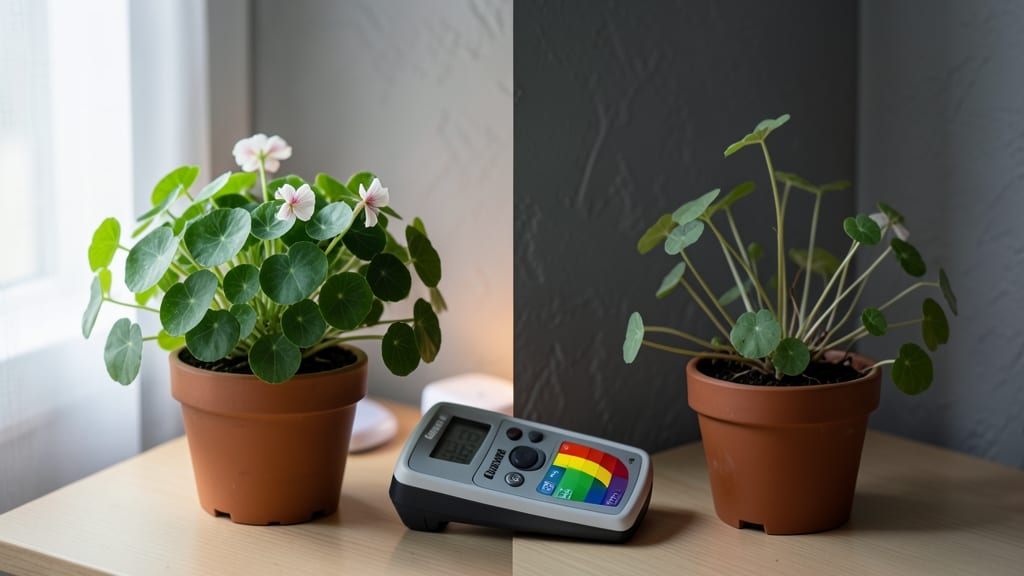
If you’re wondering how much light does a shamrock plant need to stay vibrant, the answer is simpler than you’d think—and fixing it could be the key to reviving your tired-looking plant. 🍀 These delicate plants thrive in bright indirect sunlight, but too much direct sun or dim corners can turn their leaves yellow or stretch them out like sad noodles.
Most gardeners overcomplicate light needs, but the secret is simple: 3-6 hours of gentle morning sun or filtered light is perfect for shamrocks. Whether you're growing them indoors by a window or outdoors in USDA Zone 6a, knowing where to place them makes all the difference.
I’ll show you exactly how to spot the signs of poor lighting—like weak stems or pale leaves—and how to adjust your setup for lush, vibrant growth. No guesswork, just practical tips to keep your shamrock happy all spring long.
Ready to transform your plant’s health? Let’s dive into the ideal light conditions and easy fixes that’ll have your shamrock flourishing in no time.

Optimal light requirements for shamrock plants: bright indirect sunlight explained
Shamrock plants (Oxalis species) thrive best in bright indirect sunlight, making them perfect for homes with east-facing windows or dappled outdoor shade. Unlike sun-loving succulents, shamrocks can't handle harsh midday rays—too much direct sun causes leaf scorch and yellowing edges.
Understanding their light spectrum needs is key to keeping those lucky four-leaf clovers vibrant year-round.
Indoors, position your shamrock where it gets morning sun (6 AM–10 AM) followed by filtered light for the rest of the day. Think of it like a gentle forest floor—enough light to photosynthesize, but protected from the intense midday glare.
Outdoors, partial shade under trees or a 50% shade cloth mimics their natural habitat in wooded areas.
Here’s the light spectrum breakdown shamrocks crave: 40% indirect light with 3–6 hours of morning sun. This balance prevents leggy growth (a sign of insufficient light) while avoiding sunburn. In winter, when natural light dims, supplement with a 12-hour grow light to maintain their photosynthesis rhythm.
| Light Condition | Ideal Duration | Plant Response |
|---|---|---|
| Bright Indirect Light | All day | Vibrant leaves, frequent blooms |
| Morning Sun (6 AM–10 AM) | 3–6 hours | Healthy growth, compact shape |
| Direct Midday Sun | >2 hours | Leaf scorch, yellowing |
| Low Light (North Window) | All day | Leggy stems, sparse blooms |
Seasonal adjustments are crucial. In spring and fall, when sunlight is softer, shamrocks can tolerate up to 4 hours of direct sun without harm. But during summer’s peak intensity, move potted shamrocks 2–3 feet away from windows or use a sheer curtain to diffuse harsh rays.
I once watched a shamrock’s leaves curl and crisp under 3 hours of afternoon sun—a lesson in light patience!
For outdoor gardeners, dappled shade under deciduous trees (like oak or maple) is ideal. Avoid south-facing patios or full-sun garden beds, where temperatures can exceed 85°F (29°C), stressing the plant.
Instead, pair shamrocks with hostas or ferns, which share similar shade preferences and create a cool, moist microclimate.
If you’re growing shamrocks indoors, rotate the pot weekly to ensure even light exposure. Plants naturally lean toward their light source, creating uneven growth. A simple quarter-turn each week keeps stems straight and leaves symmetrical.
Pro tip: Place your shamrock on a south-facing bookshelf—the reflected light from nearby windows can boost brightness without direct exposure.
Monitor your shamrock’s leaf color as a light barometer. Deep green leaves with occasional yellow flowers signal perfect light. Pale green or red-tinged leaves mean it’s craving more brightness, while brown patches scream too much sun.
Adjust gradually—shamrocks adapt best to slow light transitions, especially when moving between indoor and outdoor spaces.
In low-light spaces, a 10–12 inch LED grow light (like a full-spectrum bulb) can work wonders. Position it 6–12 inches above the plant for 12–14 hours daily. I’ve revived multiple leggy shamrocks using this method, turning weak stems into compact, bushy plants within 6 weeks.
Remember, shamrocks are opportunistic growers—they’ll survive in suboptimal light but thrive in perfect conditions. By mastering their bright indirect sunlight needs, you’ll unlock lush foliage, frequent blooms, and that coveted four-leaf clover—the ultimate gardening reward! 🍀
Signs your shamrock isn’t getting enough light (and how to fix it)
If your shamrock’s leaves are turning pale green or yellow, it’s a clear cry for more bright indirect light. This light deficiency happens when plants stretch toward distant windows, creating those leggy, weak stems you’ve probably noticed.
I’ve seen shamrocks grow 8 inches tall with stems so thin they flop over—all because they weren’t getting enough light to support their own weight.
Another red flag? Fewer or no flowers. Shamrocks bloom when they’re happy, and insufficient light tells them to conserve energy instead. You might spot tiny, sparse blooms or even no flowers at all during their usual spring blooming season.
Even if the leaves look okay, this is your plant’s way of saying, “I need more light to thrive!”
Here’s how to diagnose your shamrock’s light situation quickly:
- Check leaf color: Bright green = perfect light; pale green/yellow = needs more light
- Inspect stem thickness: Thick, sturdy stems = healthy; thin, stretched stems = light-starved 3.
Observe growth pattern: Compact, bushy shape = ideal; tall and lanky = move closer to light
For indoor shamrocks, the fix is simple: move them closer to an east-facing window or rotate the pot weekly so all sides get equal light. If your home only has north-facing windows, supplement with a grow light for 12–14 hours daily.
I’ve rescued many leggy shamrocks by placing them under a 12-inch LED grow bulb just 6 inches above the leaves—results in 3–4 weeks!
Outdoor gardeners should watch for hot afternoon sun, which can overwhelm even shade-loving shamrocks. If leaves develop brown patches or crispy edges, it’s a sign of too much direct sun. Provide afternoon shade using a 50% shade cloth or dappled tree coverage.
I once had a shamrock completely crisp up after just 2 hours of afternoon sun—a painful lesson in light moderation!
Pro tip: Use a reflective surface like a white shelf or mirror behind your shamrock to bounce extra light onto the plant. This doubles brightness without direct exposure. I’ve seen pale shamrocks transform into vibrant, bushy plants in just 2 weeks with this trick.
Remember, shamrocks are tough survivors—they’ll adapt to suboptimal light, but they’ll always thrive best in bright indirect conditions. By spotting these early warning signs and adjusting their light exposure, you’ll keep your shamrock lush, green, and blooming all season long. 🍀