
Plants
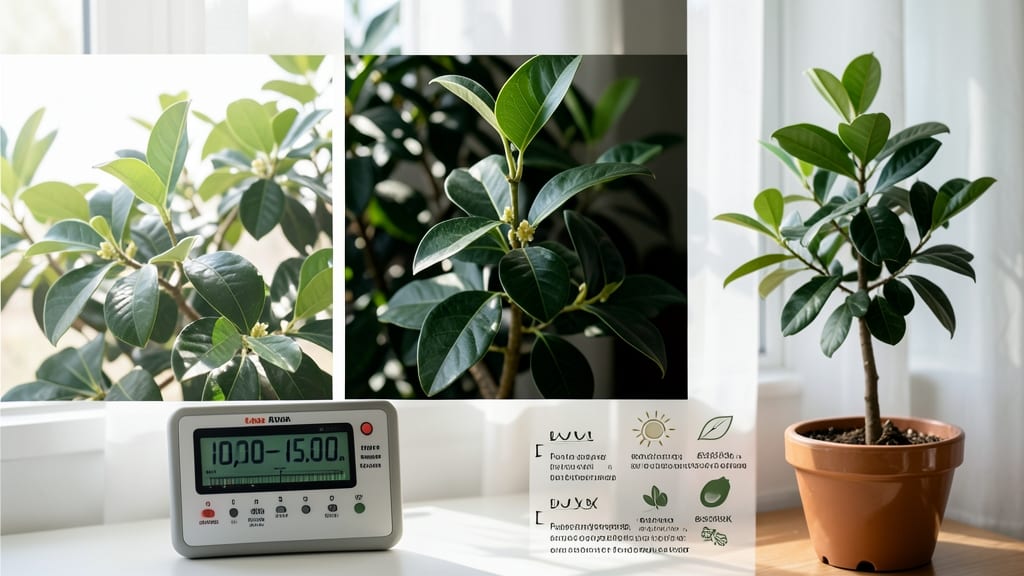
If your 🥑 avocado plant is struggling to thrive, the answer might be simpler—and more critical—than you think: how much light does an avocado plant need? The truth is, these tropical trees crave bright, direct sunlight, but getting it wrong can mean the difference between lush growth and wilted disappointment.
Avocados are sun-worshippers, but they’re not fans of scorching midday heat. Too little light, and your plant stretches weakly toward the window; too much, and those glossy leaves start crisping at the edges.
The sweet spot? 6 to 8 hours of bright, indirect light daily—whether you’re growing yours indoors by a south-facing window or outdoors in your USDA Zone 6 garden.
Don’t worry if your space lacks natural sunlight. We’ll break down exactly how to mimic ideal conditions—from positioning tricks to the best grow lights for indoor avocado care.
You’ll learn to spot the subtle signs your plant is begging for more (or less) light, so you can keep it happy year-round.
Ready to transform your struggling avocado into a thriving, fruit-bearing tree? Let’s dive into the sunlight secrets that’ll have your plant reaching for the sky—literally.

Ideal sunlight requirements for avocado plants by growth stage
Avocado plants thrive under bright, direct sunlight, but their light needs change dramatically from seedling to mature tree. As a tropical native, it craves 6+ hours of sunlight daily for optimal photosynthesis and fruit production.
Understanding these stages helps you adjust placement—whether indoors or outdoors—to prevent leaf scorch or leggy growth.
For seedlings (first 6 months), start with 4-6 hours of morning sun to avoid shocking tender leaves. Gradually increase exposure over 2-3 weeks to full sun (6+ hours) as they mature.
This slow acclimation mimics natural tropical conditions and prevents sunburn. Think of it like helping a beginner gardener ease into the heat!
🌱 Avocado Plant Sunlight Summary
| Stage | Sunlight Needs | Indoor Placement | Outdoor Placement | Seasonal Adjustments |
|---|---|---|---|---|
| Seedling (0-6 months) | 4-6 hours morning sun | South-facing window, 3-5 ft away | Partial shade (50% sun) | Spring: Gradual increase |
| Juvenile (6-24 months) | 6+ hours full sun | South window + grow light 12 hrs/day | Full sun (6+ hrs), afternoon shade in hot climates | Summer: Dappled shade for young leaves |
| Mature (2+ years) | 8+ hours full sun | Not recommended long-term | Full sun year-round (USDA Zones 9-11) | Winter: Protect from frost; 6+ hrs sun still needed |
| Fruiting Stage | 10+ hours full sun | N/A (outdoor only) | Southwest exposure preferred | Summer: Prune for airflow; avoid leaf burn |
Outdoor avocado trees in USDA Zones 9-11 can handle full sun year-round, but younger trees benefit from afternoon shade during summer's peak heat (think 3-4 PM).
I once grew a 2-year-old avocado in my Zone 8 garden by using shade cloth (30% coverage) during July-August—it survived and even produced one small fruit!
Indoor growers face bigger challenges since most homes lack 6+ hours of direct sunlight. Place your plant near a south-facing window where it gets unfiltered morning light. If your window faces north, supplement with a grow light 12 hours daily to mimic tropical conditions.
Rotate the pot quarter-turns weekly to prevent lopsided growth toward the light source.
Seasonal adjustments are critical, especially in cooler climates. During winter, avocado plants enter a dormant phase and need 6+ hours of sunlight to maintain energy reserves. If natural light drops below this, extend daylight with a LED grow light placed 6-12 inches above the plant.
I use a full-spectrum LED on a timer for my indoor avocado—it’s made the difference between brown, crispy leaves and lush, green foliage.
For outdoor plants in Zone 8 or colder, protect young trees with frost cloth during winter but ensure they still get minimum 6 hours of sunlight. Mature trees can tolerate partial shade (4-6 hours sun) but will produce fewer fruits.
If you're growing avocados in containers, move them outdoors in spring (after last frost) and place them in full sun for maximum growth.
Remember: Leaf color is your best indicator. Healthy avocado leaves are deep green and glossy. If you see yellowing between veins, it’s a sign of too little light.
Conversely, brown crispy edges mean sunburn from excessive exposure. The key is finding that golden balance—like Goldilocks and the Three Bears, but for plants!
Pro tip: Use a light meter (or phone app) to measure 10,000-15,000 lux of light—this is the ideal range for avocado plants. Most south-facing windows provide 20,000-50,000 lux on sunny days, while north windows often fall below 10,000 lux.
If your reading is consistently low, it’s time to invest in grow lights.
Signs your avocado plant isn’t getting enough (or too much) light
Your avocado plant’s leaves tell a story—one that’s easy to misread if you’re not familiar with the signs. Light stress often shows up as yellowing leaves or stunted growth, but the clues are subtle.
For example, if your plant’s new leaves are pale or smaller than usual, it’s likely craving more sunlight. This is your plant’s way of stretching toward light, a condition called etiolation, which weakens stems and makes them prone to snapping.
On the flip side, too much direct sun can cause brown, crispy edges on leaves—a clear sign of sunburn. You might also spot white or yellow patches on the foliage, especially during peak afternoon hours.
These are your plant’s SOS signals that it’s overheating and needs relief from harsh rays. The key is finding that balanced light sweet spot where your avocado thrives without stress.
Here’s how to decode your plant’s light needs at a glance:
🌱 Light Stress Symptoms & Fixes
⚠️ Too Little Light
- Pale, yellow leaves
- Leggy, weak stems
- Slow or no new growth
- Leaves pointing toward light
⚠️ Too Much Light
- Brown, crispy leaf edges
- White/yellow sunburn spots
- Wilting or drooping leaves
- Leaf curling or scorching
If your avocado’s leaves are yellowing at the tips but the rest stays green, it could signal overwatering combined with low light. In this case, trim the damaged leaves and adjust both watering and light—reduce water slightly and move to a brighter spot.
Healthy avocado leaves should be deep green and glossy, with no discoloration or texture changes.
Another red flag? Fewer flowers or no fruit despite proper care. Avocados need ample light to initiate flowering, so if your plant is mature but not blooming, it’s likely light-deprived.
In this case, consider supplementing with a grow light for 12-14 hours daily during winter months when natural light dips. Even a simple LED bulb can make a world of difference.
Remember, seasonal changes affect light exposure too. In winter, shorter days mean your indoor avocado may need extra light. Watch for dormancy signs like slower growth—this is normal, but pair it with bright, indirect light to keep your plant active.
Outdoor avocados in USDA Zone 6 may need winter protection from frost, but ensure they still get at least 4-6 hours of sunlight daily.
Start by observing your plant’s leaf color and growth patterns—they’re your best indicators of whether to move it closer to light or provide some shade.
With a little attention, you’ll master the art of balancing sunlight for a lush, thriving avocado tree that rewards you with delicious fruit. 🌿