
Plants
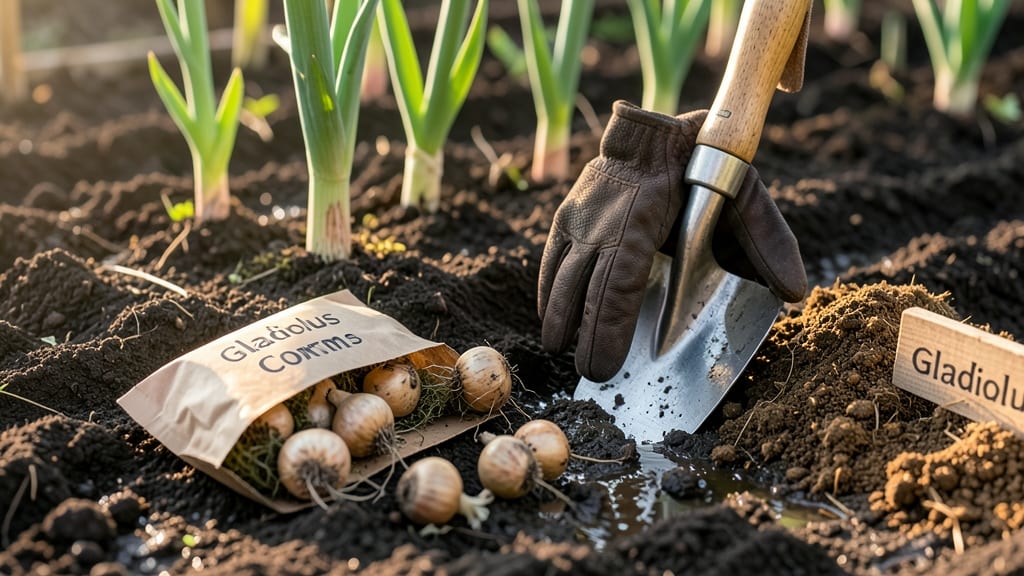
Timing is everything when it comes to planting gladiolus bulbs in Chicago—get it right, and you’ll be rewarded with those showstopping 🌸 blooms that brighten up summer gardens from July to September.
But plant too early, and a late frost could wipe out your efforts; too late, and you might miss the 6-8 week window needed for full summer color.
Chicago’s USDA Zone 5b climate means you’ve got to play by Mother Nature’s rules, but with a little strategy, you can outsmart the unpredictable spring weather.
Whether you’re a seasoned gardener or just starting out, knowing the exact mid-April to mid-May window—and how to adjust for your neighborhood’s microclimate—is the key to success.
I’ll walk you through the science behind Chicago’s frost dates, soil temperature thresholds, and how to time your plantings for the boldest blooms possible. Plus, I’ll share pro tips for handling those pesky late frosts and even how to extend your growing season if you’re working with containers.
Ready to transform your garden into a summer spectacle? Let’s dive into the perfect planting schedule so you can enjoy those tall, dramatic gladiolus stems reaching toward the sky—just in time for your neighbors to take notice.
Chicago’s gladiolus planting timeline: exact weeks before last frost
Timing gladiolus bulbs perfectly in Chicago’s USDA Zone 5b/6a means accounting for late spring frosts and soil temperature thresholds. The city’s average last frost date falls around April 15, but gardeners should wait until soil warms to 55°F+—typically mid-to-late April.
Planting too early risks frost damage, while waiting too long shortens the 6-8 week pre-bloom window needed for summer color.
Gladiolus bulbs need 60-70 days of warm weather to mature and bloom. In Chicago, this means planting 6-8 weeks before your target bloom date—usually late June to early July. For example, if you want July 4th blooms, aim to plant bulbs around May 15th.
This timing ensures flowers appear when Chicago’s summer heat peaks, providing bold, long-lasting color in your garden.
Chicago’s microclimates can shift planting windows by 1-2 weeks. Urban areas like Lincoln Park often warm faster than suburban Evanston, so monitor local weather patterns.
Use a soil thermometer to confirm 55°F+ soil temps—a critical threshold for gladiolus growth. Without this, bulbs may rot or fail to sprout.
Here’s the ideal planting timeline for Chicago gardeners, broken down by key stages:
| Stage | Action | Chicago Timeline |
|---|---|---|
| Soil Prep | Amend soil with compost; ensure drainage | Early April |
| Planting Window | Plant bulbs 4-6" deep, 4-6" apart | Mid-April to mid-May |
| Sprouting | Shoots emerge in 2-3 weeks | Late April to early May |
| Blooming | Cut flowers when lower buds open | July to September |
| Frost Prep | Cut back foliage after first frost | Mid-October |
Chicago’s unpredictable late frosts can derail even the best-laid plans. For example, the 2013 Memorial Day freeze caught many gardeners off guard, damaging tender gladiolus shoots. To mitigate risks, use frost cloth or row covers if planting early.
These protect young shoots until soil temps consistently stay above 55°F. I’ve found that late April plantings (after April 20th) offer the best balance between risk and reward.
For container gardening, adjust your timeline by 1-2 weeks earlier. Pots warm faster than in-ground soil, so you can plant early April in containers if using heat mats or placing them in sunny, sheltered spots.
This trick extends your bloom window by up to 2 weeks, giving you earlier cut flowers for indoor arrangements.
Gladiolus bulbs thrive in well-draining soil with full sun exposure. In Chicago, this means choosing south-facing garden beds or raised beds to maximize warmth. Avoid planting in low-lying areas where cold air pools, as these spots can delay warming by 1-2 weeks.
Amend your soil with compost or aged manure before planting to improve fertility and drainage—critical for preventing bulb rot.
Stagger your plantings in 2-week intervals to enjoy continuous blooms from July through September. For instance, plant half your bulbs in mid-April and the rest in early May.
This strategy ensures you’re not overwhelmed with all flowers blooming at once, and it maximizes your garden’s visual impact throughout the summer.
Remember, Chicago’s summer heat can stress gladiolus plants if they’re not established early. Once blooms appear, water deeply 1-2 times per week to support tall stems and vibrant flowers. Mulch around the base to retain moisture and regulate soil temperature—this is especially important during Chicago’s dry July heatwaves.
How to adjust planting dates for Chicago’s microclimates and weather quirks
Chicago’s urban heat islands and lake-effect weather create microclimates that can shift your gladiolus planting window by weeks. City gardens often warm up 1-2 weeks earlier than suburban areas, while lakefront zones may stay cooler longer due to prevailing winds.
For city gardeners, aim to plant mid-April to early May—soil in concrete jungles like Lincoln Park can hit 60°F+ by late April, giving you a head start.
In suburban areas (like Naperville or Arlington Heights), wait until early to mid-May when nighttime temps consistently stay above 50°F.
Row covers are your secret weapon for early planting. By covering bulbs with frost cloth after planting in late March, you can push shoots through light frosts (down to 28°F) and have blooms 2 weeks earlier. Just remove covers when daytime temps hit 70°F+ to prevent overheating.
🌱
⚠️ Late Frost Alert: Chicago’s Unpredictable April
Don’t let Memorial Day freezes (like 2013’s 30°F drop) catch you off guard. If planting before May 15, keep emergency row covers handy. Southern Chicago (near O’Hare) warms faster than northern suburbs—adjust dates accordingly.
For container gardening, you have flexibility: plant bulbs in pots by late April and move them to protected porches if nights dip below 45°F. This lets you extend the season by 3-4 weeks compared to in-ground planting.
Always check the National Weather Service’s Chicago frost forecast (updated weekly) for real-time adjustments. A 5-day forecast showing consistent 55°F+ nights is your green light to plant—regardless of the calendar date.
Pro tip: Stagger plantings by 2-week intervals to ensure continuous blooms from July to September. Start with early varieties in late April and follow with mid-season types in early May.