
Plants
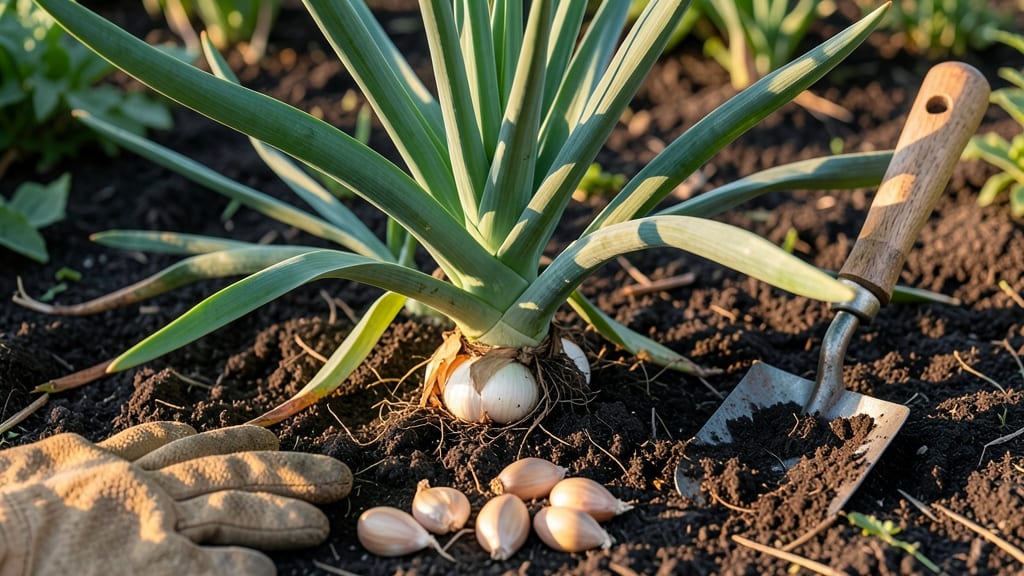
Timing your 🧄 garlic planting in West Virginia can make or break your harvest—get it wrong, and you might end up with nothing but frustration. The key is planting between October and November, when soil temperatures drop but the ground hasn’t frozen yet.
This window ensures your cloves establish strong roots before winter’s chill sets in, setting the stage for plump bulbs come summer.
If you’re in Zone 6a, like most of West Virginia, aim to plant 4-6 weeks before the first frost—typically around early October. The goal is to give your garlic enough time to root but not so much that it starts actively growing before winter.
Think of it like tucking your plants in for a long nap; they’ll wake up stronger in spring.
Many gardeners overlook how local microclimates can shift planting dates by weeks. If you’re in a cooler valley or a warmer hillside, adjust accordingly—soil thermometers are your best friend here.
And don’t forget: spring planting is a gamble in WV’s climate, often leading to smaller bulbs or bolting (flowering) before harvest.
Once you’ve nailed the timing, success comes down to soil prep and patience. Well-drained, slightly acidic soil paired with a light fall fertilizer will give your garlic the head start it needs.
I’ll walk you through every step—from choosing the right cloves to protecting them through winter—so you can confidently say, “I planted garlic the right way.”
Optimal garlic planting dates in WV by hardiness Zone
West Virginia’s USDA Hardiness Zones 6a-7b create a perfect window for growing hardneck and softneck garlic, but timing is everything. Planting too early or late can stunt bulb development or invite rot.
For best results, aim to plant garlic 4-6 weeks before the first hard frost, which typically hits WV between mid-October and early November.
In Zone 6a (northern WV), where winters are colder, garlic thrives when planted in early to mid-October. This gives cloves time to establish roots before the ground freezes.
Meanwhile, Zone 7b (southern WV) gardeners have a slightly longer window, allowing for planting through November, but avoid pushing it past mid-November.
Soil temperature is your best guide. Garlic cloves need the ground to be below 60°F (15°C) for root development but not frozen. Use a soil thermometer to check—plant when temps hover around 50-55°F (10-13°C). In WV, this usually aligns with late September to early October.
Spring planting is possible but riskier in WV. If you miss the fall window, plant in early March—but expect smaller bulbs since garlic needs at least 60 days of cold to form properly. Spring-planted garlic is best for green garlic or scapes, not full bulbs.
Here’s a quick microclimate tip: Higher elevations (like Monongahela National Forest) freeze earlier, so plant 2-3 weeks earlier than valleys. Conversely, urban areas like Charleston or Morgantown may stay warmer longer, giving you a 1-2 week extension.
| Zone & Location | Ideal Planting Window | Soil Temp Threshold | Notes |
|---|---|---|---|
| Zone 6a (Northern WV) | Early to mid-October | 50-55°F (10-13°C) | Plant by Oct 15 for best results |
| Zone 7a (Central WV) | Mid-October to early November | 50-55°F (10-13°C) | Avoid after Nov 10 in colder years |
| Zone 7b (Southern WV) | Late October to mid-November | 50-55°F (10-13°C) | Can push to Nov 15 in mild winters |
| High Elevations (e.g., Allegheny Mountains) | Late September to early October | 45-50°F (7-10°C) | Frost arrives earlier; plant 2-3 weeks early |
| Urban Areas (e.g., Charleston, Morgantown) | Mid-October to late November | 50-55°F (10-13°C) | Warmer microclimates extend window |
Pro tip: Use a garlic planting calendar or set reminders for your zone. In WV, the average first frost date is October 15, so count backward 6 weeks for your planting date. For example, if frost hits on Oct 20, plant by Sep 1.
Garlic needs 60-90 days of cold to form bulbs properly. In WV’s climate, planting in fall ensures this happens naturally. If you’re unsure about your last frost date, check local Cooperative Extension Service records or use a frost calculator for your ZIP code.
Once planted, garlic is low-maintenance until spring. Just ensure 3-4 inches of mulch (straw or leaves) covers the bed to protect cloves from freeze-thaw cycles. In WV, this is critical—uneven freezing can crack bulbs or invite rot.
For hardneck varieties (like Music or German White), which are better suited to WV’s climate, aim for larger bulbs by planting in early October. Softneck varieties (like Silverskin) can handle a slightly later window but won’t store as long.
Optimal garlic planting dates in WV by hardiness Zone
West Virginia’s USDA Hardiness Zones 6a-7b create ideal conditions for growing hardneck garlic, but timing is everything. Planting too early or late can stunt bulb development or invite pests.
For Zone 6a (most of WV), aim for mid-October to early November, while Zone 7b gardeners have a slightly longer window until late November.
Garlic thrives on cold stratification—a period of winter chill—so planting 4-6 weeks before the ground freezes ensures robust root growth. In WV, this typically aligns with first frost dates between October 15-30, depending on elevation.
Use your local weather station data to fine-tune your schedule, especially if you’re in a mountain microclimate with earlier freezes.
| Zone | Ideal Planting Window | Soil Temp Threshold | Key Notes |
|---|---|---|---|
| 6a | Mid-October to early November | 40-50°F | Critical to plant before first hard freeze. |
| 6b | Late September to mid-November | 45-55°F | Adjust for elevation shifts (e.g., higher = earlier). |
| 7a | Late October to early December | 50-60°F | Can plant softneck varieties later. |
| 7b | November (up to late) | 55-65°F | Risk of overwintering issues if planted too late. |
Spring planting is not recommended for WV’s climate, as garlic needs at least 90 days of cold temperatures to form bulbs. If you miss the fall window, consider green garlic (harvesting scapes) instead—it grows faster and can be planted as late as early March.
For maximum bulb size, prioritize hardneck varieties like ‘German White’ or ‘Music,’ which thrive in WV’s winters. Plant 2-4 inches deep, with the pointy end up, and space cloves 4-6 inches apart in rows 12 inches apart to prevent crowding.
Mulch heavily with straw or leaves after planting to insulate roots during winter.
Pro tip: Mark your planting dates on a garden calendar and note the last frost date (typically April 15) to track growth progress. Garlic planted in October will often produce larger bulbs than those planted later, thanks to the extended cold period.
If you’re new to garlic growing, start small with 5-10 cloves to test your soil and timing. WV’s acidic soils (pH 5.5-6.5) are perfect for garlic—just amend with compost if your soil is heavy clay. With the right timing, you’ll harvest plump, flavorful bulbs by late June or July!