
Plants
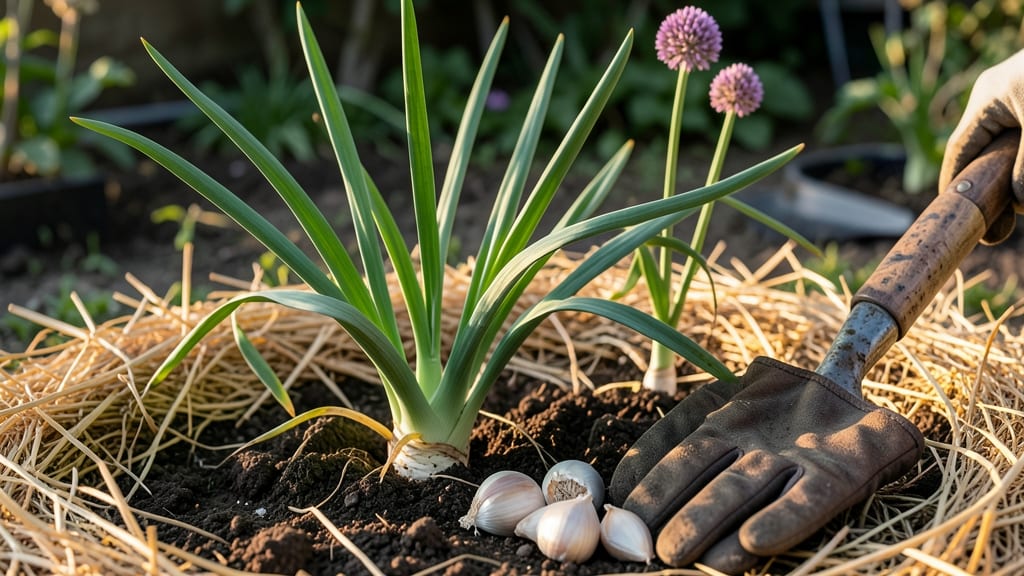
Knowing when to plant garlic in Minnesota could mean the difference between a bumper crop of hardneck bulbs and a disappointing harvest. The 4a-5b climate demands precision—plant too early, and your cloves may rot; too late, and frost will stunt growth.
But with the right timing, you’ll unlock garlic that’s sweeter, larger, and perfectly suited to Minnesota’s winters.
Most gardeners here swear by fall planting—specifically between mid-October and early November—when soil temps drop but before the ground freezes solid. This window lets garlic establish roots before winter, giving it a head start for next summer’s harvest.
And yes, it’s true: the colder the better for hardneck varieties like ‘Music’ or ‘German White,’ which thrive in Minnesota’s chill.
I’ve spent years perfecting my own fall garlic routine, and I’ll walk you through the exact steps to prep your soil, choose the right cloves, and protect them from Minnesota’s harshest freezes.
Whether you’re a first-timer or a seasoned gardener, these tips will help you avoid common pitfalls and grow garlic that rivals the best from the grocery store.
Ready to turn your garden into a garlic goldmine? Let’s dive into the timing, soil secrets, and winter prep that’ll set you up for success—because in Minnesota, patience and preparation pay off big time in July.
Minnesota garlic planting timeline: exact dates for hardneck success
Garlic thrives in Minnesota’s cool fall temperatures, but planting too early or late can ruin your harvest. The ideal window is mid-October to early November, when soil temps drop below 50°F (10°C) but before hard frost sets in. This timing ensures cloves establish roots before winter dormancy.
Northern MN gardeners (Zone 3) should plant 2-3 weeks earlier than southern areas (Zone 5). For example, Duluth’s perfect window is late September to mid-October, while Minneapolis can wait until early to mid-November.
Always check your last frost date—aim to plant 4-6 weeks before the ground freezes solid.
Use this soil temperature rule: Plant when daytime highs average 50-60°F (10-15°C) and nights dip below 40°F (4°C). A soil thermometer is your best tool—garlic roots need consistent cold to form bulbs properly.
Miss the fall window? You can try spring planting, but yields will be 30-50% smaller. For spring, plant as early as March when soil is workable, but expect bolting (flowering) in hot summers, which weakens bulb quality.
🌱 Minnesota Garlic Planting Summary
| Region | Ideal Planting Window | Soil Temp Threshold | Key Notes |
|---|---|---|---|
| Northern MN (Zone 3) | Late Sept - Mid-Oct | 45-55°F (7-13°C) | Frost arrives earliest; plant early! |
| Twin Cities (Zone 4) | Mid-Oct - Early Nov | 50-60°F (10-15°C) | Most reliable window for hardnecks |
| Southern MN (Zone 5) | Early Oct - Mid-Nov | 55-65°F (13-18°C) | Can extend into Nov if mild |
| Spring Planting (Anywhere) | March (as early as possible) | 40-50°F (4-10°C) | Lower yields; risk of bolting |
Adjust for microclimates in your garden. South-facing beds warm faster and may need earlier planting, while shaded areas stay colder and can accommodate later dates. If your yard has frost pockets, plant those spots first to avoid frozen soil.
Plant 2-3 inches deep with 4-6 inches between cloves and 12 inches between rows. Use well-draining soil—Minnesota’s clay-heavy soils need compost or sand to prevent rot. Break apart bulbs into individual cloves, ensuring each has a small root attached.
After planting, apply 4-6 inches of straw mulch to insulate cloves through winter. This protects against frost heave (when soil freezes/thaws and pushes bulbs up) and keeps temps stable. Remove mulch in early spring once shoots emerge.
Monitor for early spring growth (March-April). If shoots appear too early, cover with light row fabric to prevent freeze damage. Water moderately—garlic needs 1 inch of water weekly but avoid soggy soil, which causes rot.
Harvest next July-August when lower leaves yellow and bulbs feel firm. In MN’s short summer, hardneck garlic matures faster than softneck—don’t wait too long or bulbs may split or sprout.
How to prep garlic for Minnesota’s harsh winters: soil, varieties, and protection tips
Selecting the right garlic varieties is your first line of defense against Minnesota’s winters. Hardneck varieties like ‘Music’, ‘German White’, and ‘Chesnok Red’ thrive in our cold climate, forming hardneck bulbs with flavorful scapes.
Softneck varieties (like ‘Artichoke’) struggle in Zone 3-5 and often rot before harvest. Stick to cold-hardy hardnecks for reliable results.
Before planting, test your soil’s pH—garlic prefers 6.0-7.0. Minnesota’s clay-heavy soils often need amendments like compost or aged manure to improve drainage. Work in 2-3 inches of compost and a handful of granular fertilizer (5-10-10) per planting hole. Avoid fresh manure, which can burn cloves.
🌱 Garlic Prep: Do’s & Don’ts for MN Winters
- Choose hardneck varieties only
- Plant 4-6 weeks before freeze
- Use straw mulch (4-6 inches)
- Break bulbs into individual cloves
- Plant softneck varieties in Zone 3-4
- Use fresh manure near cloves
- Skip mulching in winter
- Plant too deep (>3 inches)
Mulching is non-negotiable in Minnesota. After planting, cover beds with 4-6 inches of straw (not leaves, which mat down and trap moisture). Straw insulates cloves, preventing frost heave and keeping temps stable.
In extreme cold (below -20°F), add an extra 2 inches of mulch or a lightweight row cover.
Watch for early spring growth (March-April). If shoots emerge too soon, cover beds with lightweight fabric to protect from late frosts. Remove mulch in early May once soil warms to 50°F. Water moderately—garlic needs 1 inch weekly but avoid soggy soil, which causes rot.
Pests like voles and deer target garlic beds. Use hardware cloth cages for new plantings or scatter granular repellent around beds. In urban areas, raised beds with chicken wire sides deter digging pests. Rotate planting locations yearly to break pest cycles.
Harvest next July-August when lower leaves yellow and bulbs feel firm. Cure harvested garlic in a shady, dry place for 2-3 weeks to develop flavor and storage life. Store braided bulbs in a cool, dark spot—Minnesota’s winters are perfect for long-term storage!