
Plants
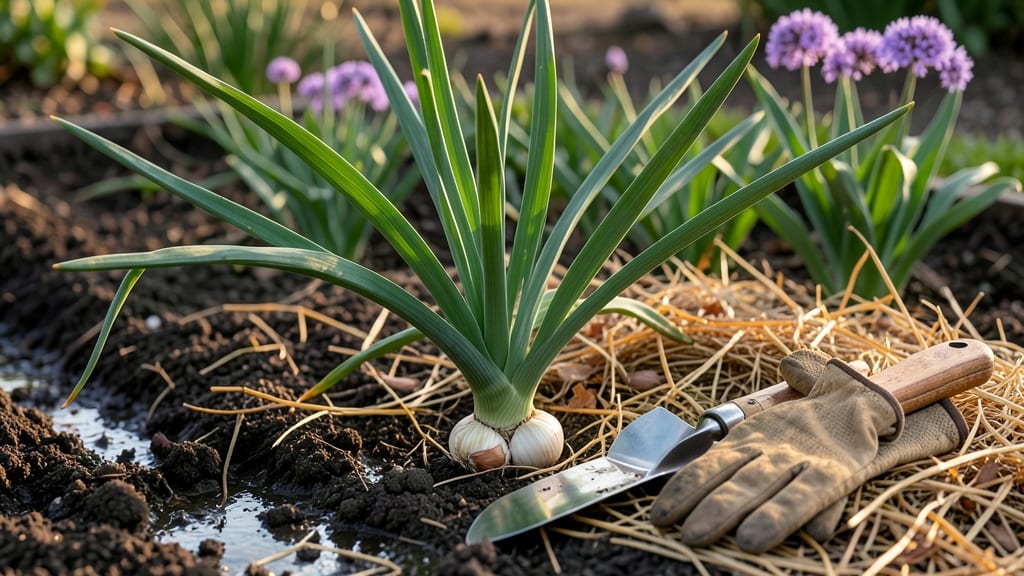
Planting garlic in Minnesota isn’t just about timing—it’s about mastering the frost-free window to ensure your 🧄 harvest thrives. The key? Getting those cloves in the ground 4-6 weeks before the first hard freeze, typically between mid-September and early October.
Skip this window, and you risk stunted growth or bulb rot—no gardener wants that!
Here’s the secret: Minnesota’s USDA Zones 4a-5b demand a different approach than warmer climates. Cold-hardy hardneck varieties like ‘German White’ or ‘Music’ are your best bet, but even they need the right soil temps and mulching to survive winter.
One wrong move, and your garlic could end up small, weak, or worse—completely lost to frost.
Don’t stress—this guide breaks down the exact steps to plant garlic at the perfect time, from soil prep to overwintering tricks. You’ll learn how to adjust for early snows, extend your planting window, and even troubleshoot common mistakes.
By the time summer rolls around, you’ll be pulling out fat, flavorful bulbs ready for braiding or cooking.
Ready to grow garlic that’ll make your neighbors jealous? Let’s dive into the step-by-step timeline that works for Minnesota’s unpredictable climate—no guesswork, just results. Your taste buds (and dinner table) will thank you!
Minnesota garlic planting timeline: months & frost-free deadlines
Minnesota’s USDA Zones 4a-5b create a tight window for planting garlic, but nailing the timing guarantees bulbs that rival store-bought—if not better. The golden rule? Plant 4-6 weeks before the first hard frost, which typically lands between mid-September and early October.
This window ensures garlic establishes roots before winter dormancy kicks in.
Why the rush? Garlic needs 120 frost-free days to mature, and Minnesota’s short growing season demands precision. Plant too early, and cloves may sprout prematurely; too late, and your crop could rot before harvest. Check your local first frost date (usually mid-October in most of Minnesota) and work backward.
For example, if your first frost is October 15th, aim to plant by September 1st. Use the 6-week rule as your guide: count backward from the average frost date to lock in your planting window. Pro tip? Soil temperatures should be below 40°F but still workable—no muddy messes!
| Stage | Action | Minnesota Timeline |
|---|---|---|
| Soil Prep | Test pH (6.0-7.0), amend with compost | Late August - Early September |
| Planting | Plant cloves 4" deep, 6" apart | Mid-September to Early October |
| Overwintering | Mulch with 4-6" straw/leaves | October - March |
| Spring Growth | Remove mulch when shoots emerge | Late April - Early May |
| Harvest | Pull when lower leaves brown | Mid-July to Early August |
Hardneck varieties like ‘German White’ or ‘Music’ thrive in Minnesota’s climate, but softnecks (e.g., ‘Silverskin’) need a slightly later start. Hardnecks require cold stratification—the winter chill—to form bulbs, while softnecks can handle milder winters. Plant hardnecks by October 1st for best results, and softnecks by mid-October.
Adjust for early/late winters: If your area had an early frost in 2022 but a late one in 2023, use the earlier date as your cutoff.
For example, if frost hit October 5th last year, plant by September 15th this year to avoid surprises. Flexibility is key—garlic is forgiving if planted on time!
Don’t overlook soil temperature thresholds. Garlic cloves need soil temps between 40-50°F to sprout. Use a soil thermometer to confirm—cool but workable soil is ideal. If temps drop below 32°F, mulch immediately to protect emerging roots.
For urban gardeners or small spaces, container planting works too! Use pots with drainage holes and plant cloves 2 inches deep, spacing them 4 inches apart. Move containers to a garage or shed if frost threatens early. Just remember: containers dry out faster, so monitor moisture closely.
Finally, mark your calendar for harvest time, which falls between mid-July and early August. Look for brown lower leaves and firm bulbs—this means your timing paid off! Curing garlic properly (hanging in a dark, dry place) extends storage life to 6-8 months or longer.
Best garlic varieties for Minnesota’s climate & when to plant each
Minnesota’s cold winters favor hardneck garlic varieties, which thrive in USDA Zones 4a-5b and produce those prized hardneck stems (scape) for braiding. Softnecks, like ‘Silverskin’, can also grow here but struggle with extreme cold.
For the best results, choose locally adapted varieties that handle Minnesota’s 120 frost-free days and winter chill.
Hardnecks like ‘German White’ and ‘Music’ are top picks for Minnesota. Plant them by October 1st to ensure they get enough cold stratification—30-40°F soil temps for 6-8 weeks triggers bulb formation. Softnecks, such as ‘Artichoke’, can wait until mid-October but rarely store as long as hardnecks.
| Variety | Type | Planting Window | Bulb Size | Flavor | Storage Life |
|---|---|---|---|---|---|
| German White | Hardneck | Mid-Sept to Oct 1 | Large | Mild | 6-8 months |
| Music | Hardneck | Mid-Sept to Oct 1 | Medium | Spicy | 6-8 months |
| Silverskin | Softneck | Mid-Oct to Nov 1 | Small | Mild | 3-5 months |
| Artichoke | Softneck | Mid-Oct to Nov 1 | Medium | Mild | 4-6 months |
If you’re new to garlic growing, start with ‘German White’—it’s forgiving and produces large, reliable bulbs. For spicier flavors, try ‘Music’, which also handles Minnesota’s harsh winters better than most. Avoid ‘Creole’ or ‘Rocambole’ unless you’re in Zone 5b+—they struggle with deep freezes.
For extended storage, prioritize hardnecks like ‘German White’, which keep for 6-8 months if cured properly. Softnecks like ‘Silverskin’ store shorter but are easier to peel. Pro tip: Save seeds from your best bulbs—Minnesota’s climate can make store-bought garlic unreliable for replanting.
Need to push your planting window? Try indoor starts for hardnecks: plant cloves in pots by late August, keep them in a cool, dark place (like a basement), then transplant outdoors by mid-September. This trick gives you a 2-week head start on the frost-free window.
Finally, rotate varieties yearly to avoid soil-borne diseases. If you notice small, weak bulbs or rotten cloves, switch to a different variety next year. Minnesota’s humid summers can worsen fungal issues—soil health matters more than ever here!