Planting
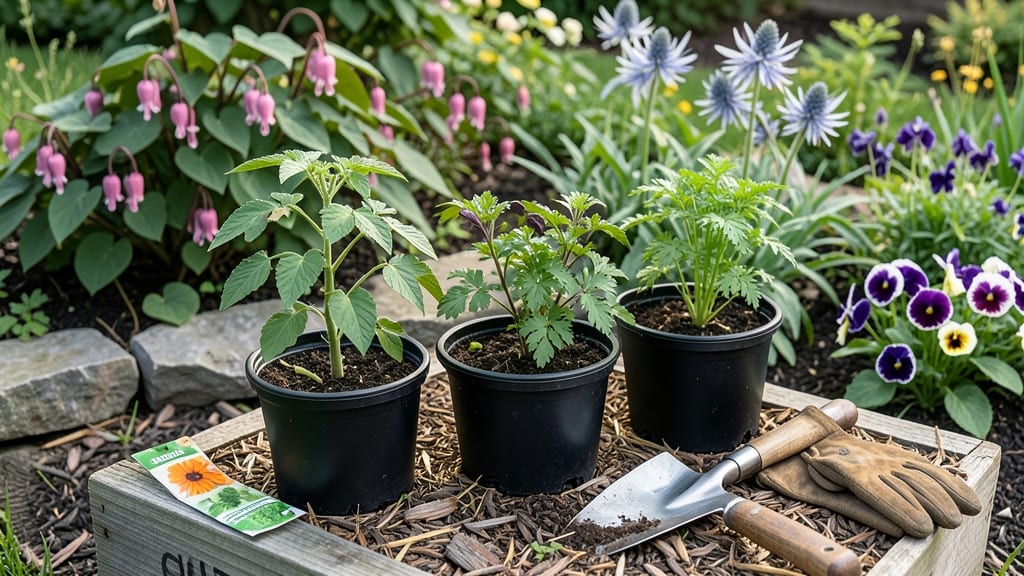
Timing your garden in East Tennessee isn’t just about luck—it’s about knowing when to plant garden in East Tennessee to beat the region’s tricky frost dates and unpredictable spring showers.
One late frost can turn your carefully planned tomato plants into sad, wilted memories, while planting too early risks stunted growth or lost seedlings.
With USDA Zone 6a-7a conditions, your best window for spring planting runs from mid-March to early May, but the real magic happens after your last frost date—usually around mid-April. Miss that mark, and you might find yourself scrambling to replant or settling for a shorter harvest season.
Don’t stress, though. Whether you’re growing heat-loving tomatoes or cool-season greens, I’ll break down the exact deadlines for your favorite plants—plus how to adjust for East Tennessee’s microclimates. You’ll learn which crops thrive when planted early, which need to wait, and even how to salvage a late start.
Ready to turn your garden from a gamble into a guaranteed harvest? Let’s get those seeds in the ground at the perfect time—no more guessing, just growing.
Zone 7a planting deadlines: exact dates for vegetables, flowers & herbs
East Tennessee’s Zone 7a climate means your planting window is shorter than you think—just 165 frost-free days between mid-April and mid-October. Miss the mark, and your tomatoes or zucchini might never mature. I’ve broken down the critical deadlines so you can plant with confidence, even when spring drags on.
First, mark your calendar for the average last frost date of April 15th (though it can vary by 1-2 weeks each year). For frost-sensitive crops like peppers and eggplants, wait until May 1st to avoid surprise freezes.
Meanwhile, cool-season crops like kale and carrots can handle light frosts and should go in by March 15th.
Here’s the visual cheat sheet for your planting timeline—covering everything from vegetables to flowers and herbs—so you never guess again.
Pro tip: Use row covers or a mini greenhouse to extend your spring window by 2-3 weeks for frost-sensitive plants. I’ve saved my tomato seedlings from late frosts this way more times than I can count!
For fall planting, aim to get seeds in the ground by August 1st—this gives most vegetables enough time to mature before the first frost hits around mid-October. Broccoli and cauliflower are my go-to fall crops because they actually sweeten up after a light frost.
If you’re in a valley area (like Knoxville), expect slightly later frosts—sometimes as late as May 1st. But if you’re in the mountains (e.g., Gatlinburg), frosts can linger until May 10th. Always check the 7-day forecast before planting frost-sensitive crops.
One mistake I see often? Planting peppers too early. They hate cold soil and won’t germinate below 60°F. Wait until the soil is at least 65°F—usually mid-May—or use a seed heating mat for a head start.
For herbs like basil, don’t plant until after Memorial Day. It’s not frost-tolerant and bolts (goes to seed) if stressed by cold. Meanwhile, parsley and cilantro can handle cooler temps and should go in by March 15th.
Remember: Succession planting is your best friend in East Tennessee. Instead of planting all your lettuce at once, stagger seeds every 2 weeks from March to June for a continuous harvest. It’s how I keep my garden productive all season long!
How to adjust planting for East Tennessee’s microclimates (and avoid common mistakes)
East Tennessee’s terrain creates microclimates that can shift planting windows by weeks—especially between valley gardens and mountain slopes. A valley in Johnson City might see its last frost by April 1st, while a ridge in Great Smoky Mountains National Park could still freeze in mid-May.
These differences mean your neighbor’s tomato plants might thrive while yours struggle—or vice versa.
Elevation plays a huge role: for every 1,000 feet higher, temperatures drop by about 3.5°F. If you’re gardening above 2,000 feet, aim to plant 2-3 weeks later than the general Zone 7a guidelines.
Meanwhile, low-lying areas like the Cumberland Plateau can experience earlier springs, letting you start cool-season crops like peas or spinach as early as late February.
Soil drainage is another game-changer. Clay-heavy soils in places like Knoxville’s urban gardens stay cold and wet longer, delaying planting. Amend these areas with compost or sand to warm up faster. Conversely, sandy soils in the Cherokee National Forest dry out quickly—mulch heavily to retain moisture for seedlings.
⚠️ 3 Warning Signs You’re Planting Too Early (Or Too Late)
- 🌱 Yellowing seedlings: If your lettuce or broccoli leaves turn yellow, frost likely damaged them. Wait until soil stays above 45°F for 7+ days.
- 🌡️ Stunted growth: Plants growing slowly or leggy? Your garden’s too cold. Use row covers or move to a warmer microclimate (like a south-facing wall).
- 🐛 Pests attacking weak plants: Early-planted tomatoes or peppers stressed by cold attract aphids or slugs. Delay until nighttime temps stay above 50°F.
Pro Tip: Test your soil temperature with a soil thermometer—most vegetables need 60°F+ to thrive.
Don’t overlook wind exposure, either. Gardens on exposed ridges lose heat faster at night, while protected valleys hold warmth longer. If your yard’s windy, plant windbreaks (like corn or sunflowers) or choose sturdy plants like kale or Swiss chard, which handle breezes better.
For fall planting, the rules flip: higher elevations stay warm longer, letting you extend your cool-season harvest into November. Use frost blankets to protect broccoli or carrots in late autumn, or switch to hardy greens like spinach or arugula, which tolerate light frosts.
When in doubt, start with fast growers like radishes or bush beans to test your microclimate’s readiness. These plants mature in 30-50 days, giving you a quick read on whether your soil’s warm enough for slower crops like tomatoes or squash.
Adjust your schedule based on their success—and soon, you’ll master East Tennessee’s planting puzzles like a pro.